Summary
- People at higher risk may need extra support to plan for fire safety.
- People at higher risk need fire plans tailored to their unique abilities and circumstances.
- CFA has many resources available to help.
- Planning works best when the person the plan is for is involved.
- Planning can feel overwhelming, but CFA's templates and resources make it easy to start conversations about home fire and bushfire safety.
- Free home visit services are available for people who need extra support.
Some people need extra help to plan and prepare for fire
Different people have different support needs. Some are at higher risk of injury or death in home fires and bushfires, including older adults, people with disabilities, and those with chronic or acute health conditions. These people may take longer to notice a fire, find it harder to leave their homes quickly, or need help to get out safely.
People know their own lives best, so they should be involved in making a plan that is practical, realistic, and safe for them. CFA has resources and programs to help people who need extra support, as well as the families, carers, and support workers who assist them in planning for home fire and bushfire safety.
Bushfire planning
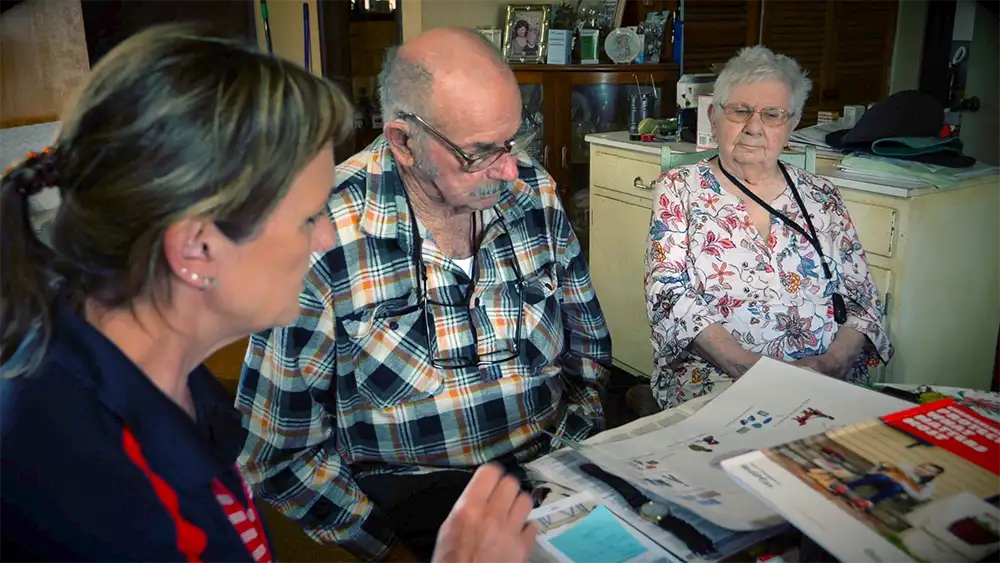
People who need extra support should have a clear, workable bushfire plan and not assume they will be evacuated.
CFA has a bushfire planning template designed for people who need extra support. It includes space to write a backup plan and suggestions for what to pack in an emergency bag — like mobility and communication aids, assistive technology devices and chargers, medical equipment, medications, and prescriptions.
Make your bushfire plan today if you or someone you care for has additional needs or would require extra support in a fire
Home fire planning
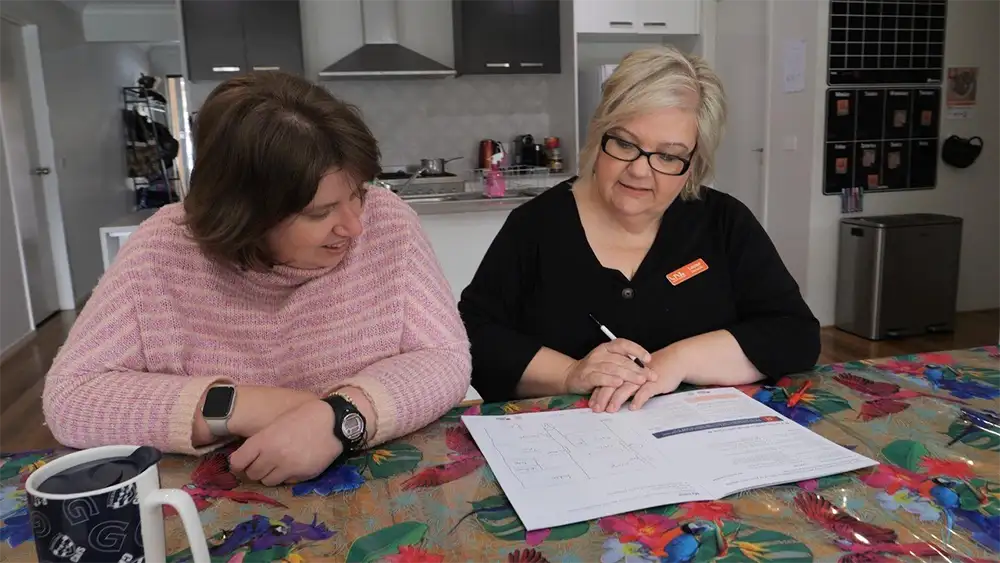
A good home fire escape plan should consider a person’s strengths and daily routines. CFA's home fire escape plan template can help you create a tailored plan that suits your household, helps prevent and detect fires, and ensures everyone can get out safely.
Start your home fire escape plan today if you or someone you care for has additional needs
Specialist smoke alarms
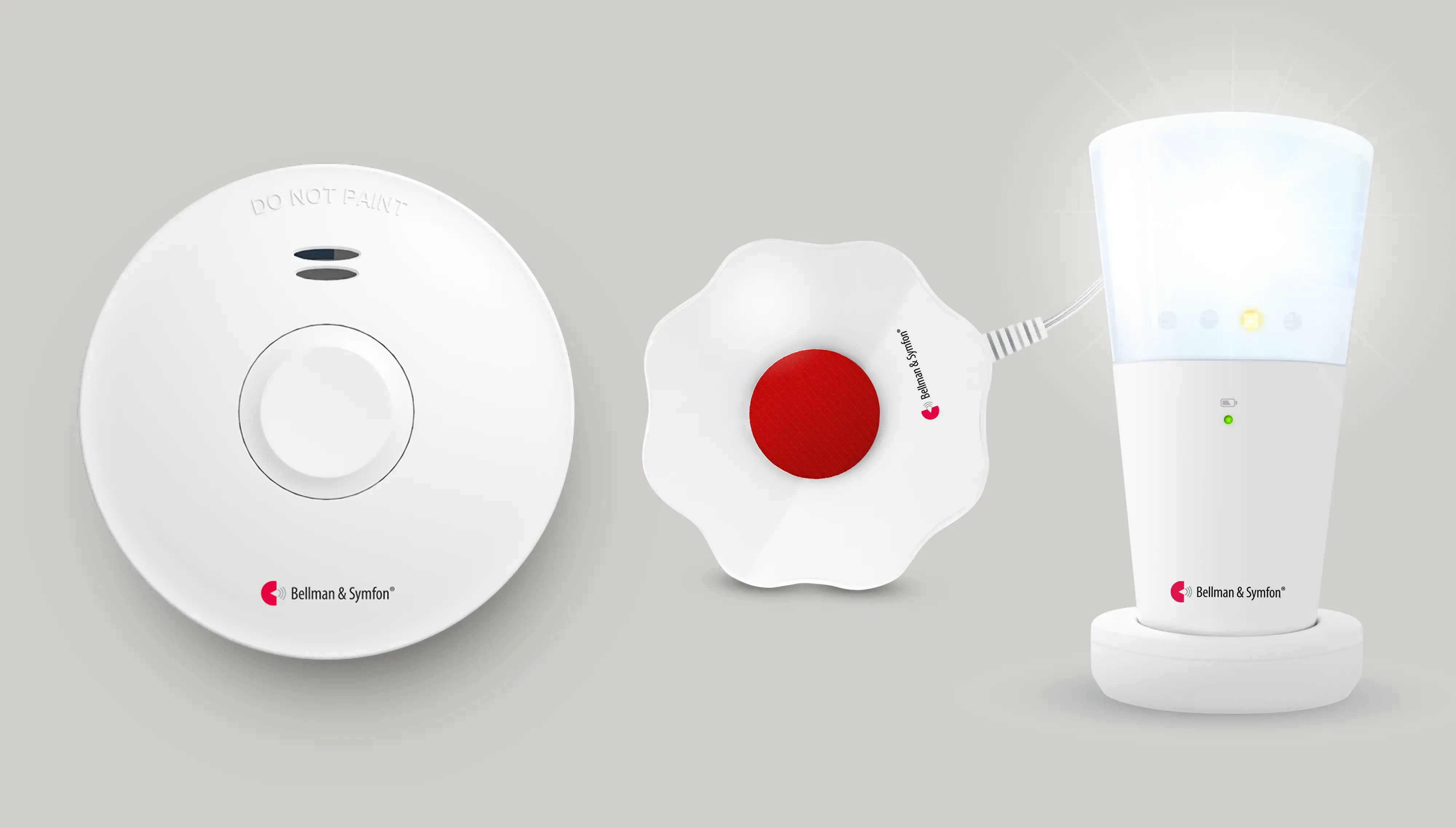
There are different types of smoke alarms to suit different needs, including ones that can connect to personal alarms and smoke alarms for people who are Deaf or hard of hearing. Check your eligibility for a Smoke Alarm Subsidy via Expression Australia.
Getting help in apartments or large buildings
People who need extra support and live in apartments or large buildings should ask their Building Manager or Owners Corporation for help and information.
Programs for people at higher risk and their carers
CFA has free programs and services to help people at higher risk make bushfire and home fire plans, understand their risks, and access important information. This includes online modules that can be accessed anytime, giving everyone the chance to be involved in their own planning and decision-making. In-home visit services are also available to provide personalised support.
If you care for someone at higher risk, we have free online programs to help you support your loved ones safely and confidently. Our learning modules and resources are designed for individuals, families, carers, and support workers who want clear, practical guidance.
Explore our people at higher risk programs
Programs for the care sector
In-home care providers are in a unique position to help clients understand and manage their personal fire risk. Because you and your colleagues know your clients and their homes well, you can help people at higher risk identify their barriers to safety and make home fire and bushfire plans that suit their needs.
CFA offers free training for aged and disability care workers to support clients in planning and preparing for fire and other emergencies. It covers:
- How to help your clients make tailored fire plans
- How to keep yourself and your colleagues safe when travelling.
Explore our aged and disability care sector programs
CFA engages with service providers and support workers
CFA's People at Higher Risk team work with peak bodies and the care sector to help improve fire safety offerings. We share resources for service providers and support workers, including Q&A recordings, case studies and research. You can also submit ideas for new resources and provide feedback on what we're developing.
Other helpful resources
Make a stronger plan by talking to others
Neighbours and community members are often the first to help in an emergency. The simple act of checking in with a neighbour who might need extra support — or helping someone pack an emergency kit for bushfires — can make a real difference. Reach out to friends, family, and others nearby to build a local support network. Planning together helps keep everyone safer.
Page last updated: Monday, 7 September 2026 10:47:16 PM