Summary
- Don't plug too many high-power appliances into one power point.
- Plug appliances that need a lot of power, like hair dryers and heaters, directly into a power point and not a power board.
- Don't charge mobiles and laptops on soft surfaces like beds and sofas.
- Don't use faulty or damaged electrical equipment.
How electrical fires start
1. Overloading electrical circuits at home
What is overloading?
Every appliance needs a different amount of power to work. Plugging too many high-power appliances into the same socket or power board can overload it.
This is because each power point in a typical home is designed to handle around 2400 watts (units of power).
Some appliances, like heaters and hair dryers, use a lot of power. If these high-powered appliances are plugged into the same power board or power point, it can cause overheating and lead to fire.
How to prevent overloading
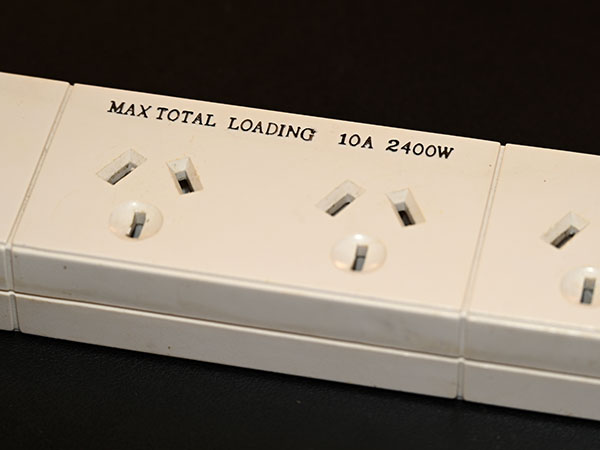 Check your power boards for their maximum loading, usually 2,400 watts. Exceeding this can overload the power board and start a fire.
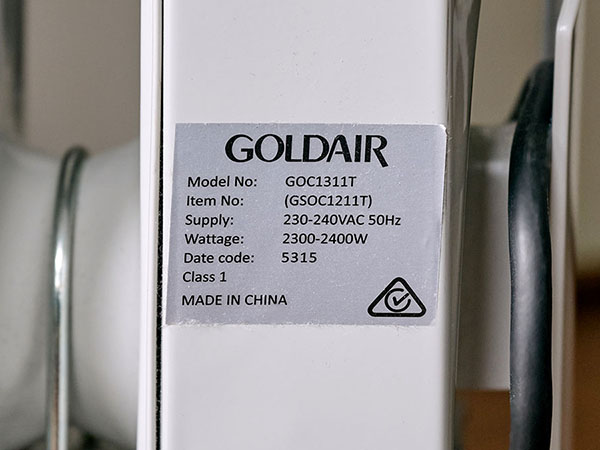 Some appliances like this heater, which is at the maximum loading of the power board, should be plugged directly into its own power point.
- Check how many watts your appliances and charging cables need to work.
- Check the total wattage of the appliances you want to plug into one power point or power board and make sure it doesn't add up to more than 2400 watts.
- If the total power needed is more than 2400 watts, remove an appliance or plug it into a separate wall outlet.
High-power appliances
The following appliances use a lot of power.
Be careful when plugging them into power boards and power points that you don't go over 2400 watts and overload your electrical circuit.
- hair dryers
- heaters
- electric kettles
- microwave ovens
- toasters
- air fryers
- air conditioners
- clothes dryers
- vacuum cleaners
Watch for signs of overloading
Signs a circuit might be overloaded include:
- dimming of lights when appliances switch on
- tripping circuit breakers and blowing fuses
- warm power leads or power point
- burning smell.
If you notice any of these signs, unplug everything, check your equipment and make sure you're not overloading the circuit.
2. Faulty electrical equipment
How do faulty appliances start fires?
Short circuiting
If the wires inside an electrical appliance are damaged or worn out, they can short circuit. This means the electricity takes a shortcut and moves through parts of the appliance it shouldn’t. This can cause sparks and quickly start a fire.
Overheating
Some appliances, especially if they are designed to heat up, like toasters, hairdryers, or heaters, can overheat if they're faulty. Things nearby can catch fire from the heat.
Electrical sparks
Faulty appliances can produce sparks. These sparks can set furniture, curtains, clothes or other things on fire. Just a small spark can start a big fire.
How to prevent electrical fires
1. Don't plug all your appliances into one power point
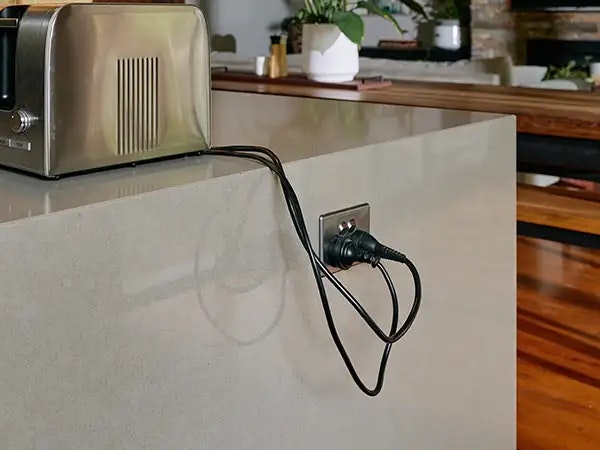 High power kitchen appliances should be plugged into their own power point.
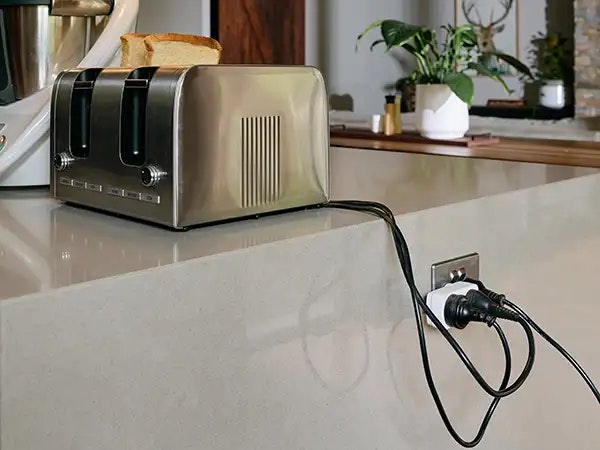 Never use a double adapter for high power appliances.
Try to plug your devices into different power points and circuits in your home. For instance, don't plug all your kitchen appliances into one power point.
We recommend not using double adaptors because they don't usually have overload protection.
2. Plug high-power appliances directly into a power point, not a power board
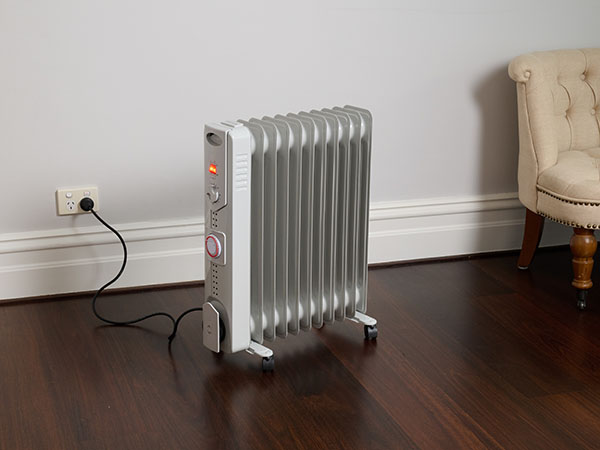 Heaters should always be plugged directly into a wall outlet.
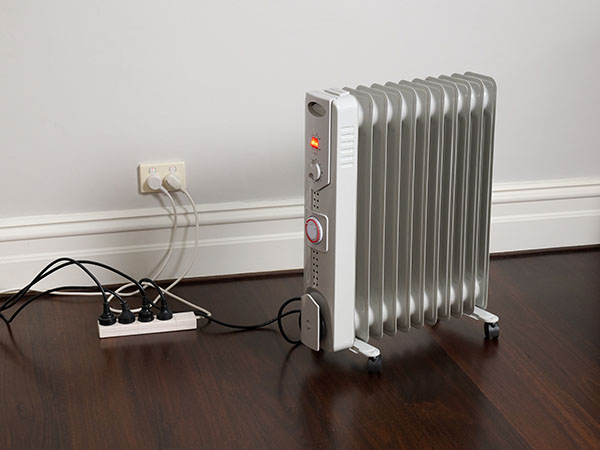 Never plug a heater into a power board or extension lead.
Plug appliances that use a lot of power, like heaters, hair dryers and toasters, directly into a power point, not into a power board with other equipment.
3. Never plug a power board into another power board
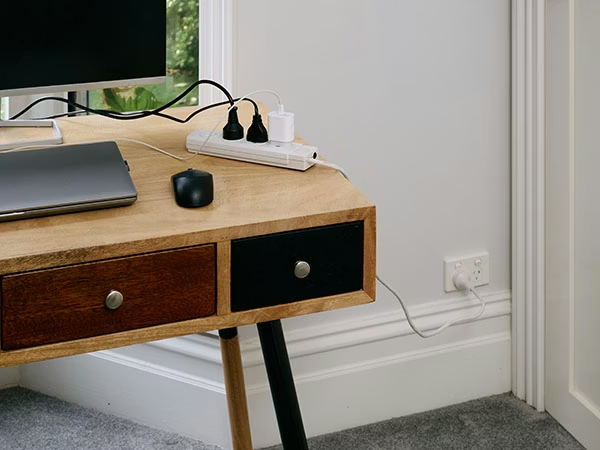 Only plug low powered appliances into a power board and only one appliance per power board outlet.
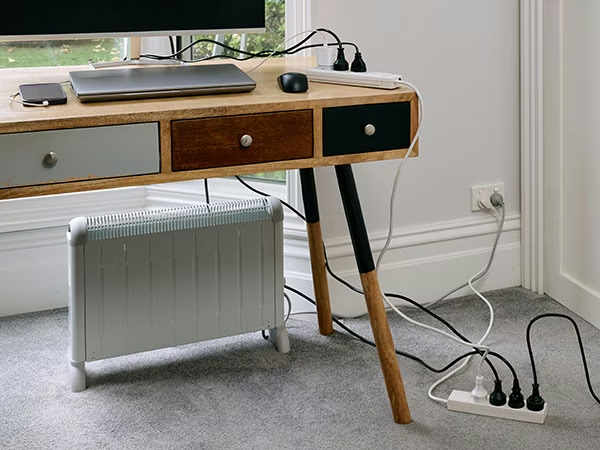 Never plug a power board into another power board.
Don't 'daisy chain' power boards. Plugging a power board into another power board can dramatically increase the risk of overloading the circuit. Only use power boards with built-in overload protection.
4. Don't use faulty or damaged equipment
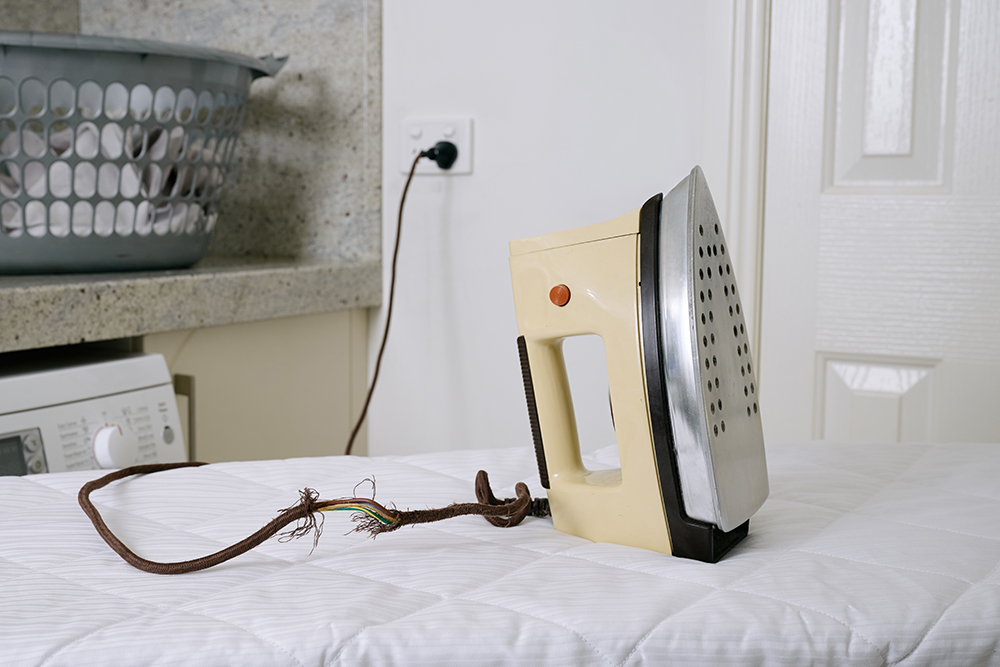
Regularly check for damage and don't use faulty cords or equipment as they can start a fire.
All electrical equipment should have an Australian Standard or a Regulatory Compliance Mark (RCM). Only use certified electrical trades people to repair electrical appliances, wiring or equipment.

5. Turn off all electrical appliances at the wall
Appliances that are left plugged in could start a fire, especially if they are faulty or if there's a power surge. Turning them off at the wall when they're not being used reduces the risk of electrical fires starting.
6. Ensure electrical appliances and power leads have good air flow
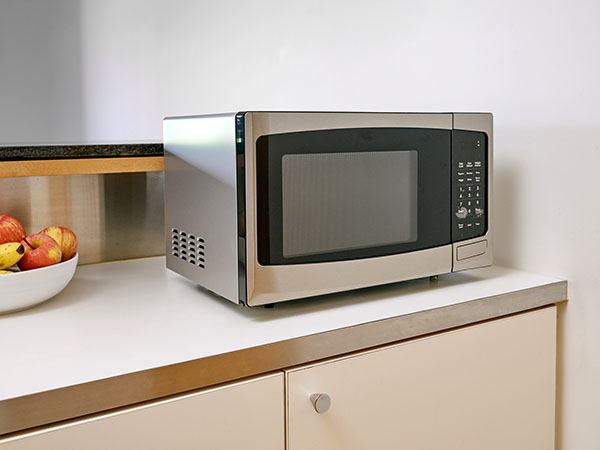 Most appliances are designed to operate with plenty of room around them for air flow so they don't overheat and cause a fire.
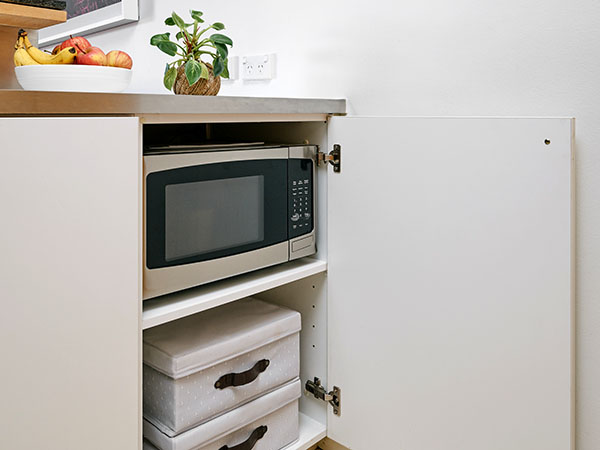 Appliances need to be specially designed for use in cupboards. Not providing room for air flow can cause them to overheat and catch fire.
Making sure there is airflow around your electrical appliances and power leads can help stop them from overheating and catching fire.
Make sure power boards aren't covered by soft furnishings like cushions, curtains or blankets, as they can cause overheating and catch fire.
7. Don't put electrical devices on soft surfaces
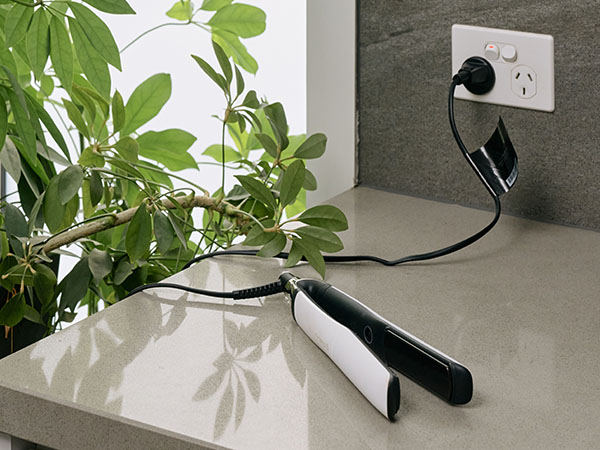 Some appliances like hair straighteners get very hot. Always place them on a hard surface that won't catch fire.
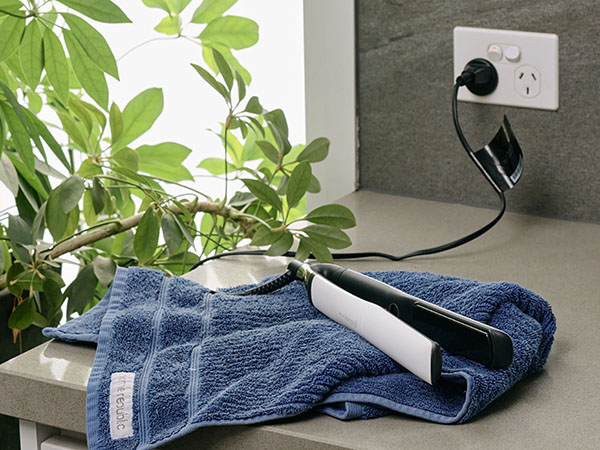 Never place a hair straightener on a towel or other soft surface which could start a fire.
Don't leave or charge electrical appliances like hair straighteners, hairdryers, phones and laptops on soft surfaces. They can overheat and catch fire easily. Soft surfaces include couches, beds, pillows and towels.
Electric blankets
Electric blankets can easily develop hot spots that could cause a fire if something is placed on them. This includes heavy items like books, bags, or even pets. Overheating can also happen if you go to bed with the electric blanket switched on.
Don't leave electric blankets on overnight. Turn them on about 30 minutes before bed-time, then turn them off when you get into bed.
Keep electric blankets flat with the controls at the side of the bed. When storing electric blankets, roll them instead of folding. Check them regularly for broken or worn wiring.
Home office set up

Ensure your home office is set up safely.
- Check you’re not overloading power boards.
- Ensure cables are uncoiled but neat.
- Ensure monitors, laptops, televisions and other equipment have a good air flow around them and are not in confined spaces or covered.
- Turn off your laptop before you put it in a laptop bag.
- Don’t leave your devices charging on fabric, sofas or beds.
Resources
Electrical fire safety factsheet
Download CFA electrical fire safety factsheet.
Page last updated: Sunday, 6 September 2026 12:42:58 PM