Summary
- Don't leave heaters or fires going when you leave home.
- Keep furniture and other belongings at least one metre away from heating.
- Clean chimneys each year.
- Have your gas heaters serviced every two years.
Heating your home safely
Heating is one of the main causes of house fires in winter. It doesn't matter what kind of heating you have, it is a fire risk.
Keep yourself and your family safe with our top tips.
- Turn off heating and put out fires before going to bed or leaving home.
- Keep items that can catch fire at least one metre away from all heat sources. This includes:
- clothes
- sofas and chairs
- toys
- papers and anything else which can burn.
- Children should not be left alone near heaters, so they don't accidentally get severely burnt.
- All heating should be in good, working order to prevent a fire starting.
- Always plug an electric heater into the wall socket. Don't use a powerboard as it could overload it
Make a safer choice
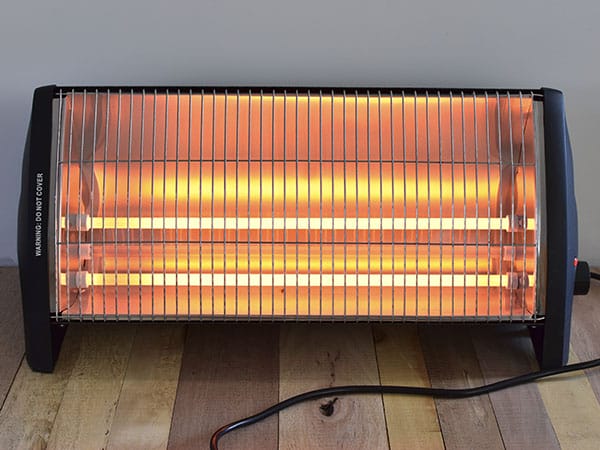 Newer heaters have the best safety features like tip-over switches and overheat protection.
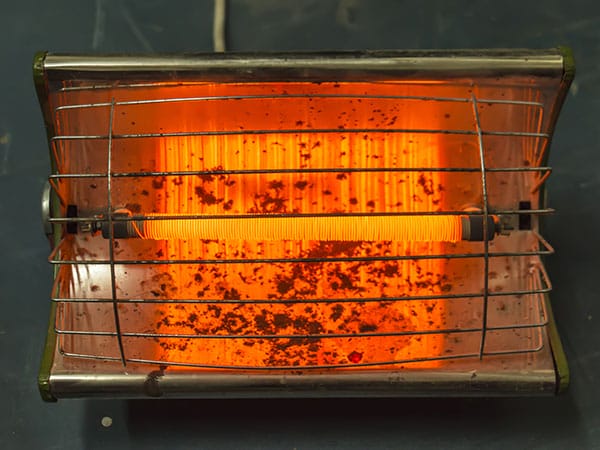 Older heaters don't have any safety features and can get very hot to touch.
New heaters have the best safety features. Replace your old heaters with new ones that will turn off when tipped over or when it overheats.
Portable heaters
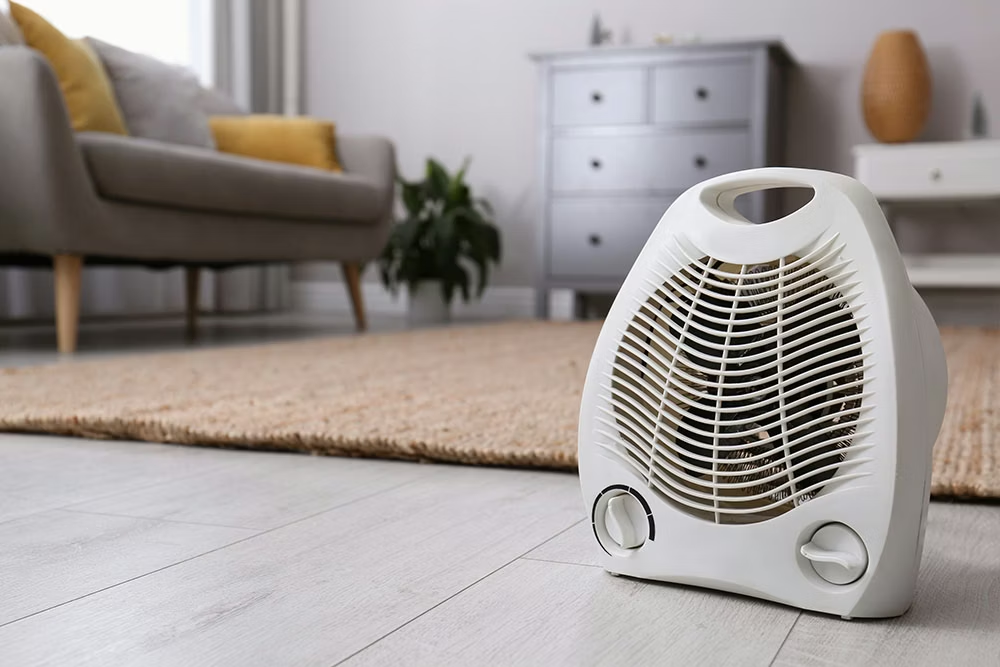
Follow these tips when using portable heaters to warm up your home:
- Turn portable heaters off if you leave the room or go out.
- Don't put anything on top of or near your heater, including toys, your couch, clothes or anything else which can catch fire. Keep all items at least one metre from the heater.
- Don't let children play near heaters.
- Only use heaters which have an automatic safety switch that turns them off if tipped over.
- Don't use portable heaters filled with a liquid like kerosene.
Gas heating
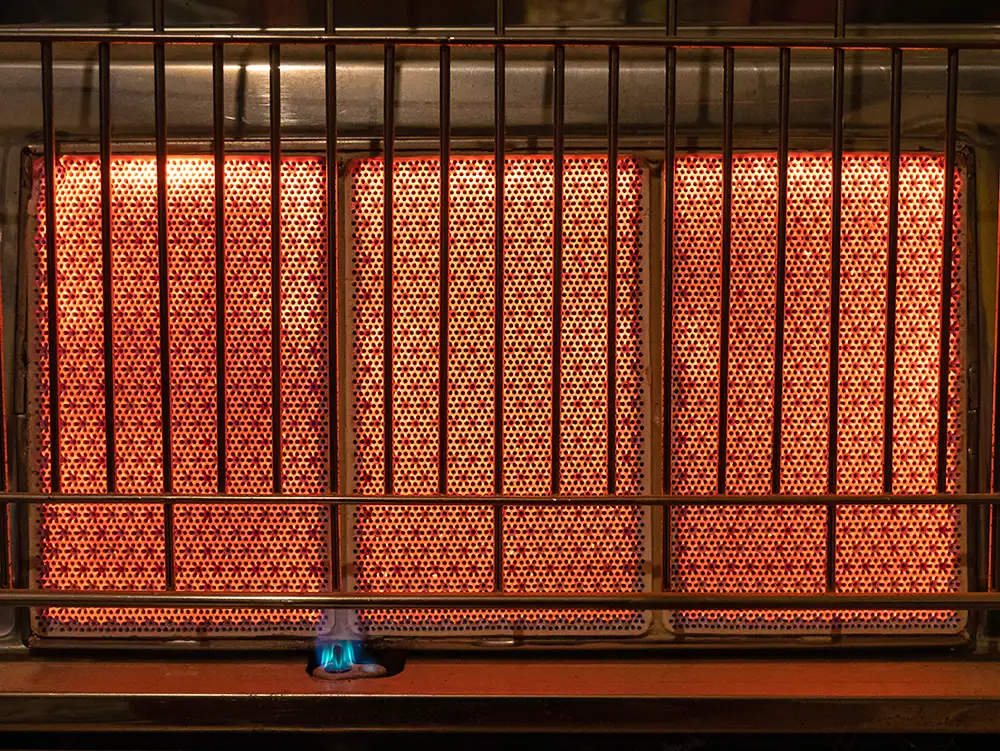
Gas heaters can start a fire if there is a gas leak. They should be inspected and serviced every two years by a professional.
Carbon monoxide poisoning
Gas heaters that are not operating efficiently can cause carbon monoxide poisoning.
Carbon monoxide, commonly known as the silent killer, can't be seen, tasted or smelt.
Breathing in carbon monoxide can cause loss of consciousness, seizures and even death. This is why it is important to have your gas heaters regularly serviced and in good condition.
Open fires and wood heaters
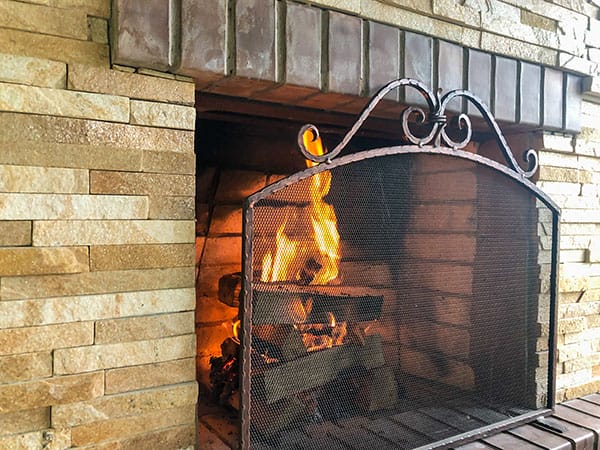 Openfire places need a screen to prevent embers and sparks from setting fires on your carpet or flooring.
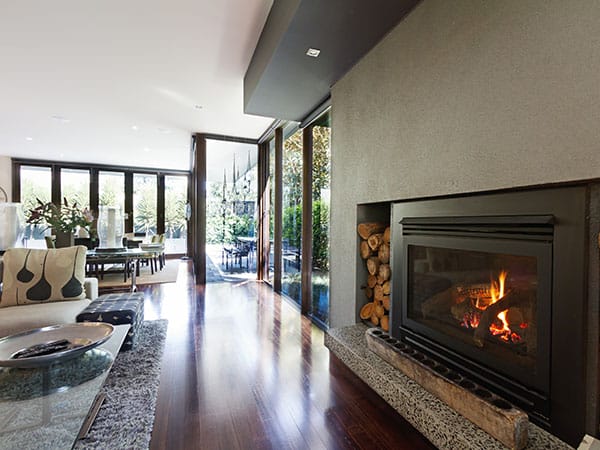 Modern wood heaters provide a safer alternative to an open fireplace. They're also more efficient.
Wood fires are a common way to heat homes across Victoria, but they can be dangerous.
Follow these tips when using open fires and cast iron wood heaters:
- Always put fires out before leaving home or going to sleep.
- Use a fire screen to:
- help stop logs rolling out of the fire or embers and sparks landing on your floor
-
protect children from severe burns from open fires and cast iron wood fires.
- Keep wood and other flammable objects, like drying clothes and soft toys, at least one metre away from fire.
- Clothes airers can be tipped over which can cause clothes to catch fire if they land on the heater or fire.
- Only burn dry, clean wood. Green wood, or treated wood can release toxic gases. Burning green wood also increases the build-up of creosote.
- Check that embers are cold before you throw them out, otherwise they could start a fire in your bin.
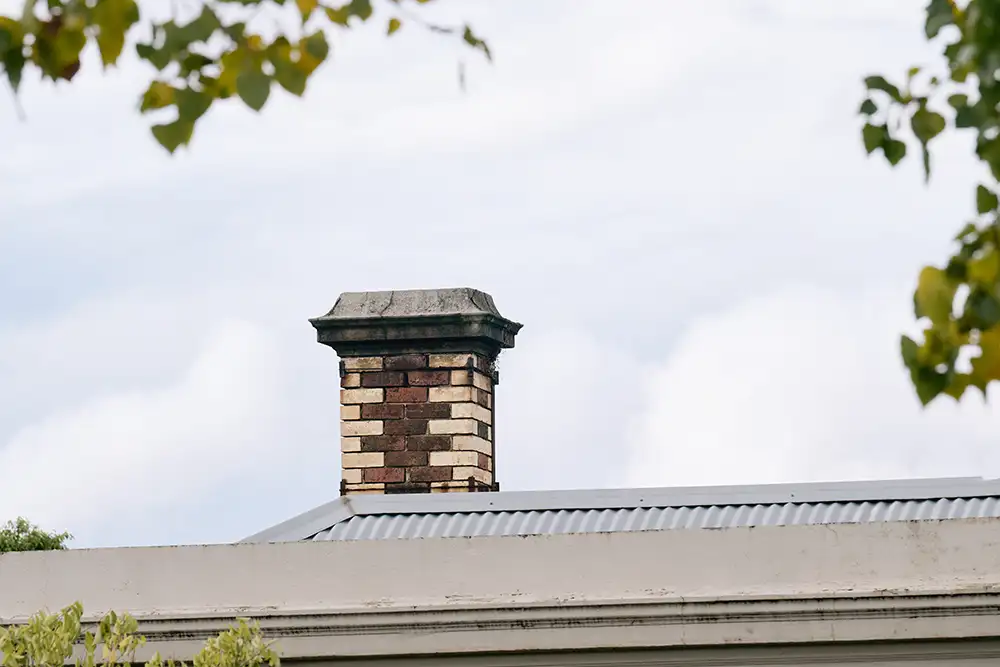
- Chimneys and flues should be cleaned yearly, to prevent a black substance called creosote building up inside and causing a chimney fire. Birds can build a nest in your chimney once you stop using it in spring. This can catch fire once you start your fire in autumn.
Resources
Heating fire safety factsheet
Download CFA heating fire safety factsheet.
Page last updated: Monday, 7 September 2026 7:45:33 PM