Fire safety and your Bnb
Smoke alarms
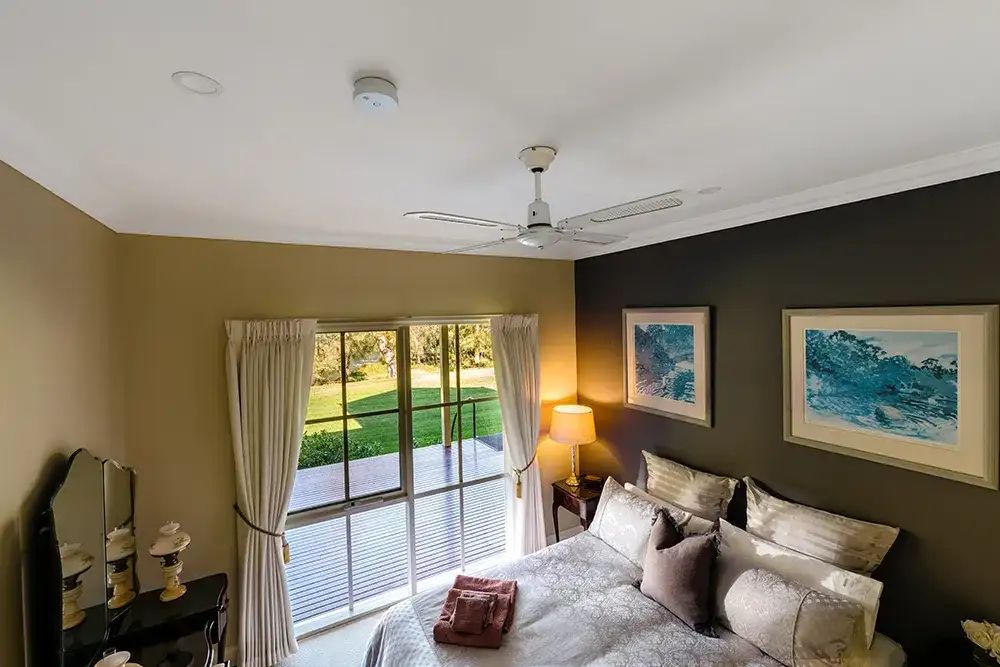 By law every bedroom in a BnB must have smoke alarms installed inside the room.
Smoke alarms provide vital early warning and can allow extra time for guests or staff to escape if there is a fire at your property. Early detection can also lead to a quicker response from emergency services, which could save lives, and your property.
- You are legally required to have working smoke alarms inside every bedroom at your BnB.
- Test your smoke alarms every month to make sure they are working.
- Clean your smoke alarms yearly with a duster or vacuum cleaner.
Learn more about smoke alarm safety
Electrical safety
- Don't plug too many high-powered appliances into one powerpoint.
- Plug appliances that need a lot of power directly into the wall. For example, heaters and toasters.
- Don't have faulty or damaged electrical equipment in your BnB.
Learn more about electrical fire safety
Heating
- Make sure your heating is well-maintained and in good working order.
- If your property has a wood fire, make sure guests know how to use it safely, including putting it out when they go out or go to sleep.
- Keep furniture and other belongings at least one metre away from heating.
- Clean chimneys every year.
- Have your gas heaters serviced every two years.
Learn more about heating safety
Fire safety equipment
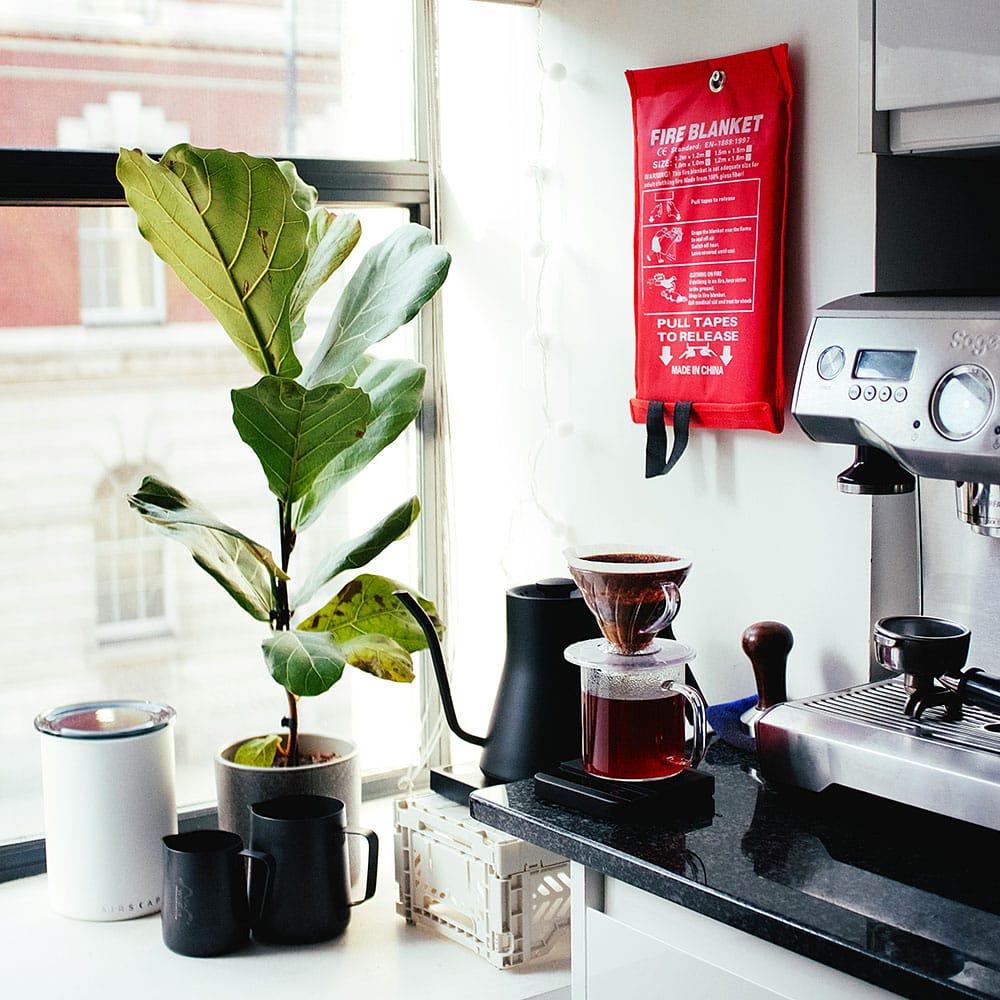 Have a fire blanket in the kitchen area so it can be used to put out a stovetop fire.
Smoking
- If smoking is allowed in or around your property, provide safety ashtrays and bins.
- Remind guests to fully and safely extinguish all smoking materials.
Learn more about smoking, vaping and shisha fire safety
BBQs
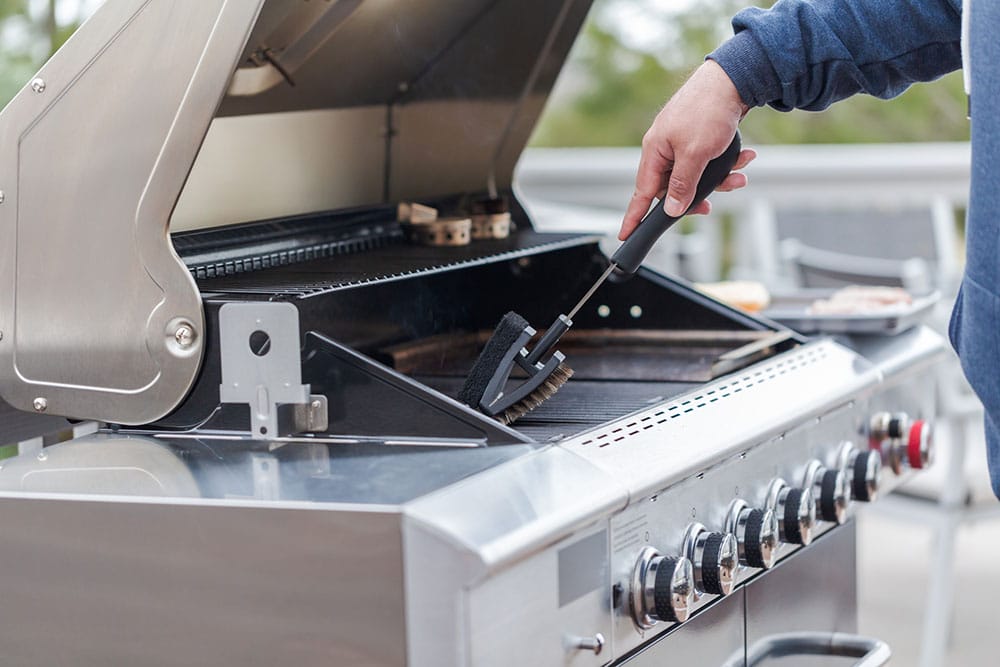
- If you provide a BBQ for guests, make sure it is a purpose-built gas (LPG or natural gas) or electric BBQ. These can be used all year round, including on Total Fire Ban Days, under certain conditions.
- Ensure you clean the BBQ between guests to prevent build up of fat that can cause a fire.
Learn more about BBQ, smoker and pizza oven safety
Fire pits
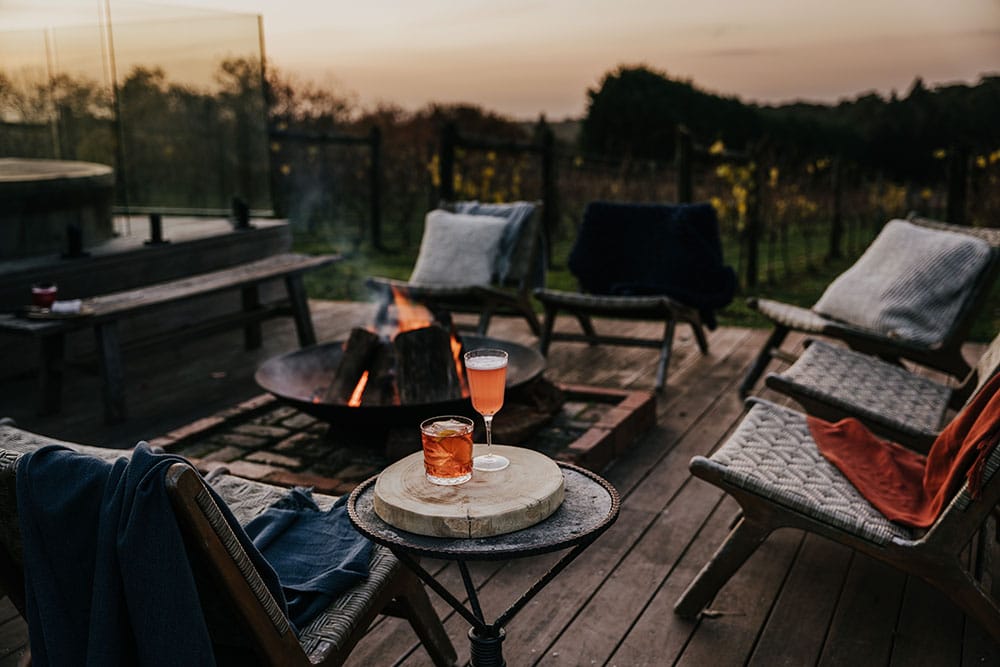 Fire pits must not be used on a Total Fire Ban day.
Learn more about fire pit and chimenea safety.
Fire safety information
- Have an evacuation diagram printed out and displayed in the house in case there is a fire.
- Consider making a fire safety tip sheet for your guests based on CFA’s home fire safety information.
Topics to cover should include:
Check out our Home Fire Safety checklist for more information.
Bushfire preparation and your Bnb
As a BnB host, you should have a comprehensive bushfire plan, so you know what to tell your guests and/or staff if there is an extreme or catastrophic fire danger rating. Having a plan will also help you meet your responsibilities as a short-stay accommodation provider, and think more clearly in an emergency.
Fire Danger Ratings
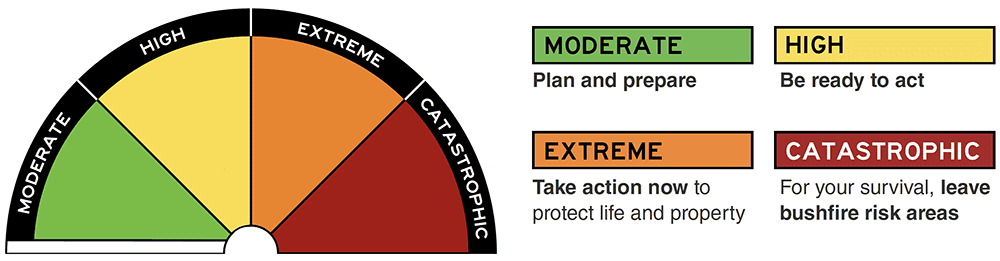 Fire danger ratings help you decide what actions to take to protect yourself, your guests and any staff.
It's important you understand each Fire Danger Rating and its associated action, so you can decide what to do at each rating level.
Encourage your guests to be aware of the local fire danger ratings during fire season by checking the CFA website.
Cancelling bookings due to fire risk
As a business, you need to decide when you will close your accommodation due the risk of bushfire.
If there is a Catastrophic fire danger rating forecast, you need to decide when you will close or cancel bookings, and how you will communicate this with guests. Consider how you will handle refund requests and your duty of care during that time.
Communicating with guests or staff on site
If there are guests or staff already at the accommodation, it’s important you have a clear trigger for when you will recommend they leave the property, such as an extreme or catastrophic fire danger rating. Have a clear policy or process for what to do when extreme or catastrophic days are forecast and how you communicate this to staff and guests.
CFA strongly recommends leaving bushfire risk areas early, the night before or early in the morning on bad fire days.
Learn about leaving early and why it's important
VicEmergency App
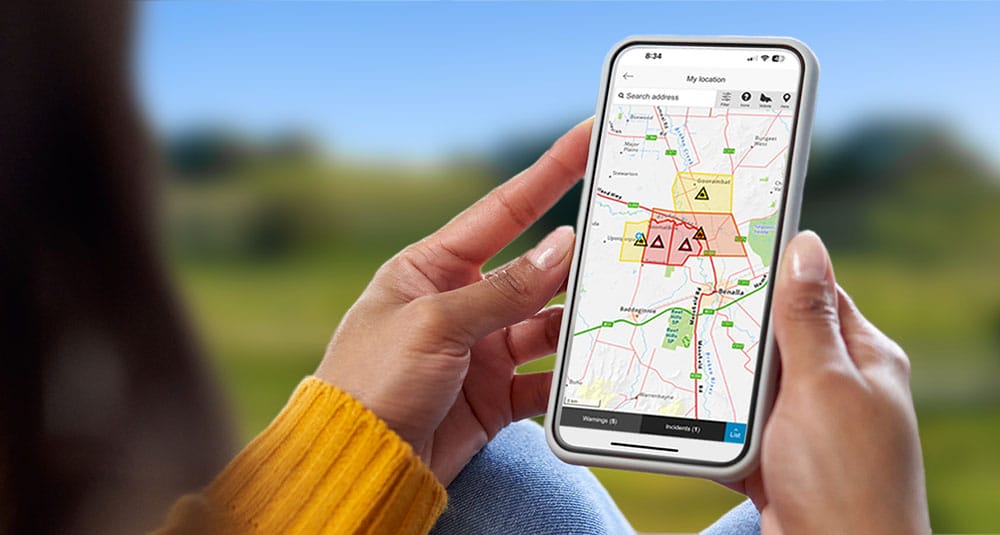
Encourage your guests to download the VicEmergency app to stay across any local emergency incidents, including fires.
Last Resort shelter options
Encourage guests to leave early, before there is a fire in the area.
However, in case they get caught out, it’s important to provide clear information to your guests about last resort options for sheltering in the area during a bushfire, including:
Learn more about last resort options
Preparing your property for fire season
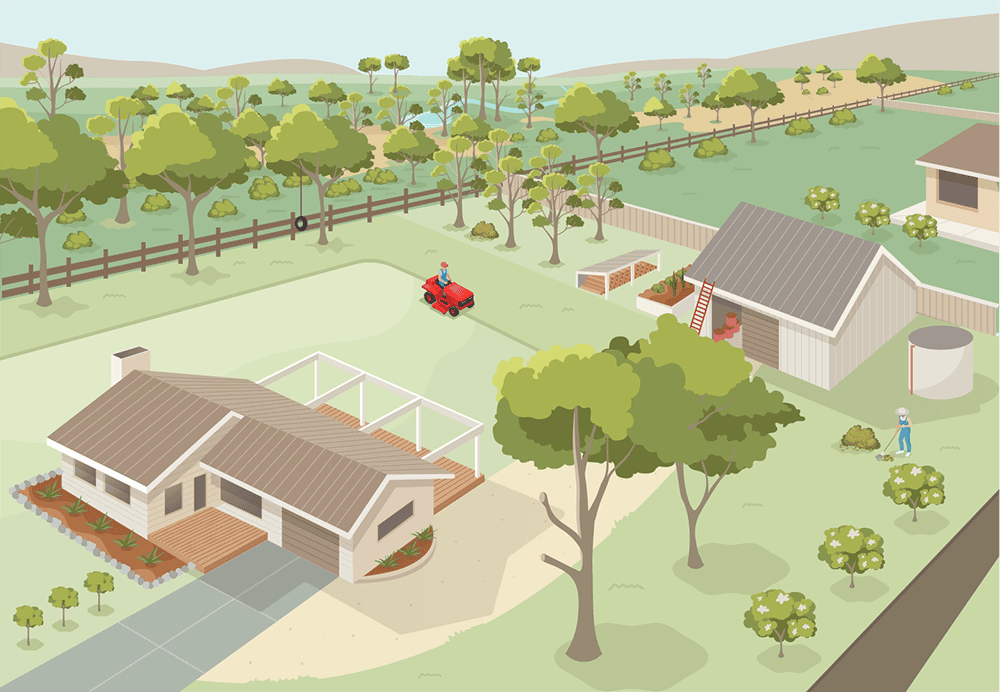
Ember shields
Mature trees, positioned away from the building can shield against radiant heat and embers.
Mow your lawns
Fire intensity near the building will be lower if grass is short.
Woodpile
Keep woodpiles away from the house.
Gas bottles
Check that gas bottles are secured with relief valves away from the house.
Decks and verandahs
Remove flammable items from decks and verandahs, like boxes, outdoor furniture and doormats.
Mulch
Use pebbles or rocks in your garden. Not flammable mulch.
Fallen leaves
Remove fallen leaves from around your home. This is where embers are likely to land.
Clean gutters
Remove leaves from gutters.
Tree branches
Cut back branches that overhang the house. No branches within 10m of buildings.
Shrubs
Prune shrubs well away from tree branches.
Fallen leaves
Get rid of dry grass, leaves, twigs and loose bark. Remove green waste from your property or move it away from your house
Shrubs near windows
Do not have large shrubs next to or under windows.
Page last updated: Friday, 28 August 2026 5:32:54 PM