Summary
- CFA provides specialist expertise in fire prevention, preparedness, response, and community safety across Victoria’s emergency services.
- CFA leads firefighting operations including wildfire, structural, transport-related, and forestry-area fire suppression.
- CFA brigades deliver rescue services such as road rescue, technical rescue, and large animal rescue.
- CFA supports hazardous incident response and assists other agencies during emergencies like floods.
- Beyond emergencies, CFA undertakes fire prevention, community education, land-use planning advice, vegetation management, and planned burning.
CFA's role in emergency response
Our people’s skills, experience and expertise in fire prevention, preparedness and response makes us unique in the emergency services sector.
Our valued advice and knowledge in fire behaviour, fire safety, incident management and community preparation adds further strength to Victoria’s trusted and united emergency services sector.
Firefighting
Bushfire and grassfire suppression
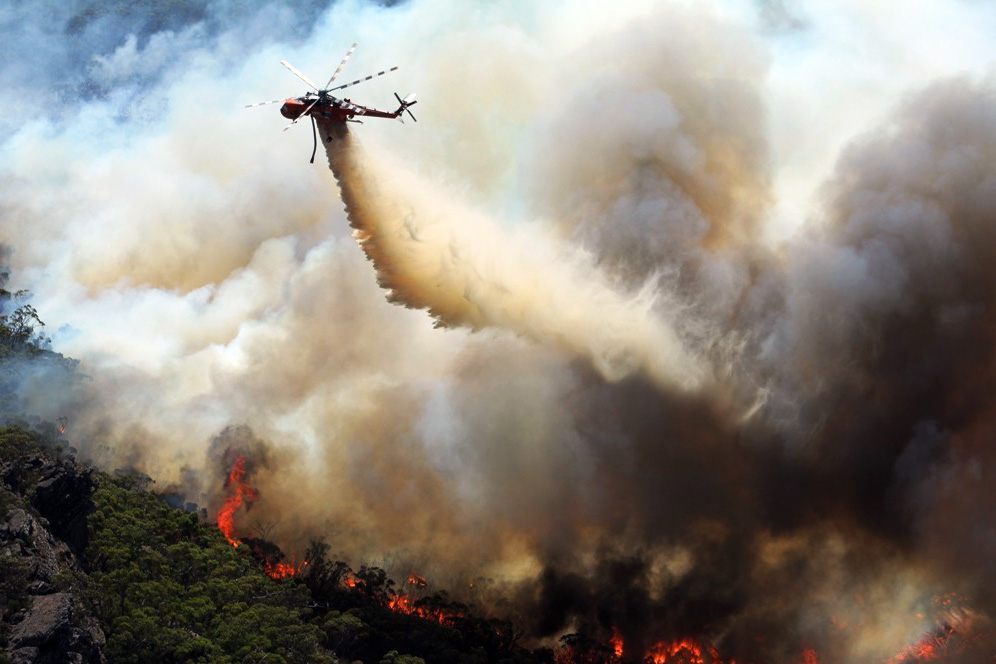
Victoria is one of the most bushfire-prone places in the world. CFA has a long and proud history of suppressing fires in grasslands, bush and coastal areas both on the ground and in the air.
Structural fire suppression
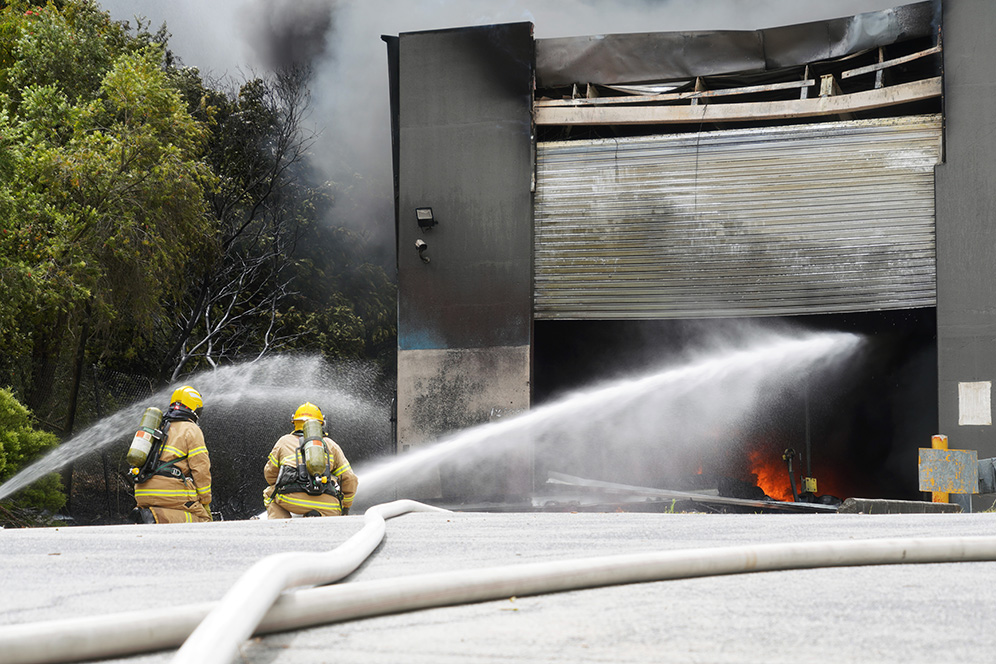
CFA Brigades respond to fires in homes, buildings, sheds and other significant places throughout the year and may be on scene with other emergency services. Smoke alarms in the home can prevent loss of life in the event of a fire.
Transport-related fire suppression
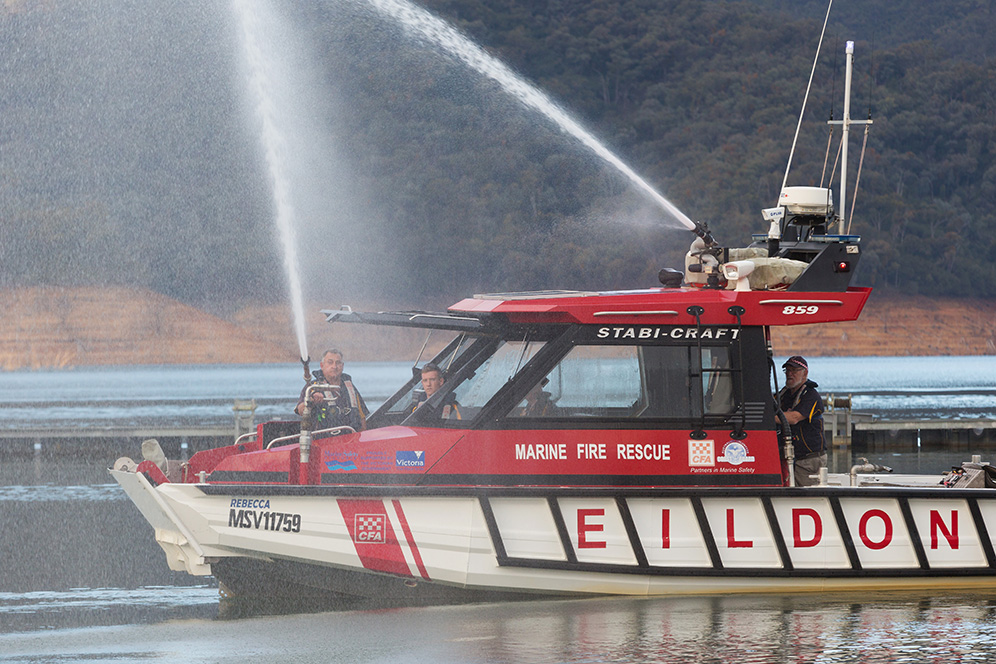
CFA brigades attend vehicle, train, aeroplane, and boat fires. CFA have special fire boats to extinguish fires which start on marine and fresh waters.
Working with forestry industry brigades
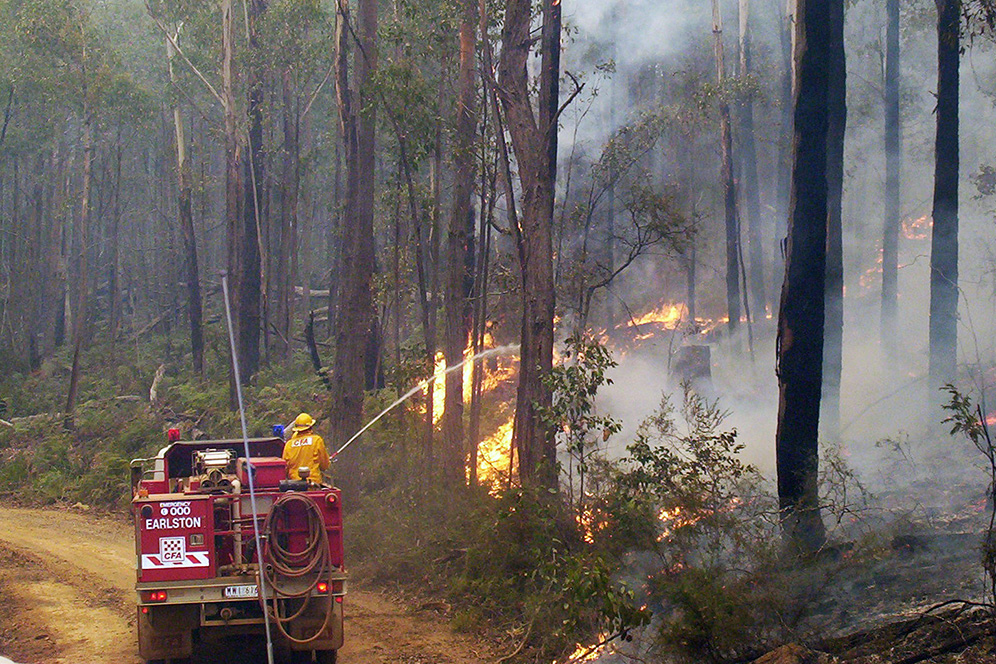
Fires can begin in privately owned areas that are heavily forested. CFA assists brigades to suppress these fires.
Rescue
Road crash rescue
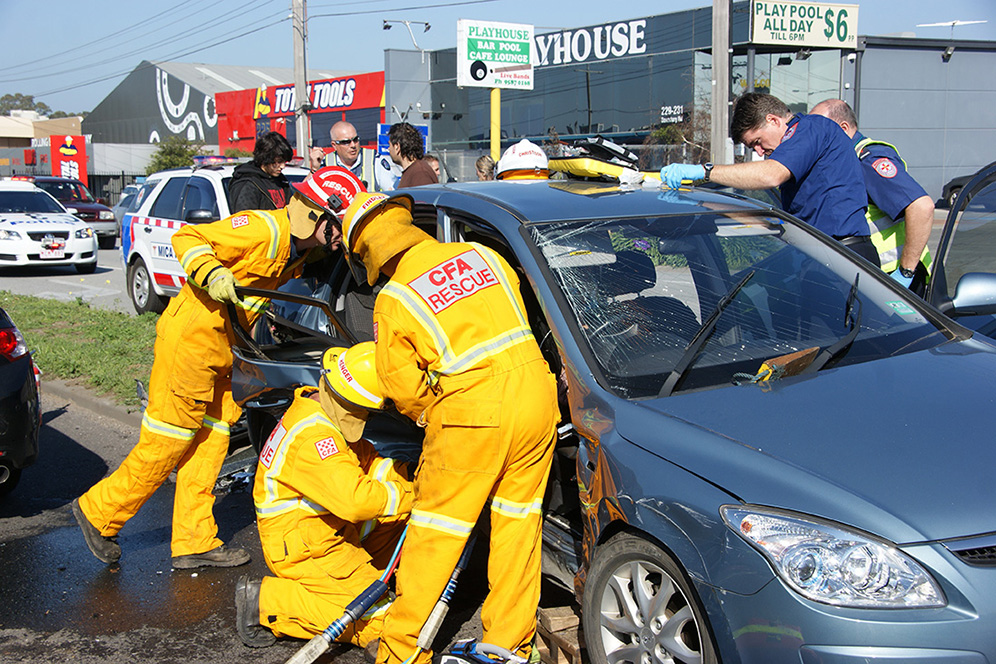
Brigades are often called to respond to motor vehicle crash incidents on urban and rural roads, recuing people trapped in vehicles and providing first response medical attention.
Technical rescue
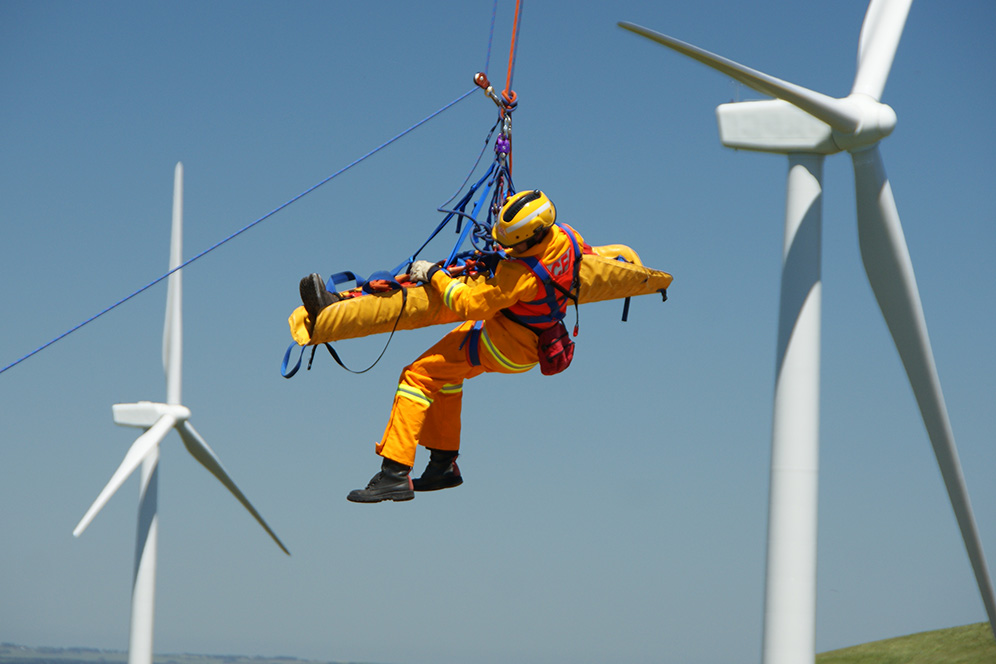
Technical rescue includes a range of specialist skills with high levels of difficulty and training, rope rescue, mine operations, building/structural collapse, rail/aircraft, lifts/scaffolding'. Some CFA volunteers hold these qualifications.
Hazardous incident response
Hazardous materials spills and leaks
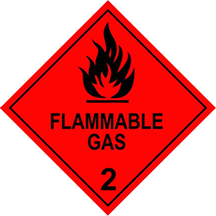
- Road crash: CFA responds to spills and leaks involving hazardous materials resulting from road crashes. Responses can involve washaway or specialised absorption/removal.
- Hazmat: CFA responds to incidents where hazardous materials have spilled (including into inland waters) and pose risks to community safety and/or the environment
Other emergencies
Flood assistance
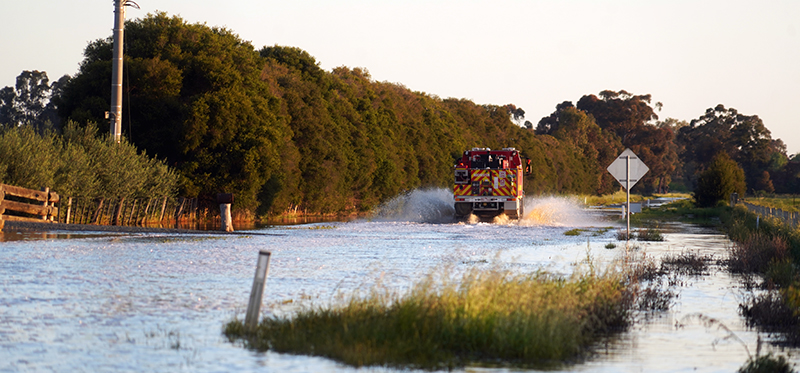
CFA may also support other emergency services, such as the State Emergency Service, in responding to floods across the state by lending a hand with their trucks and equipment and additional people power.
Non-emergency activities
CFA is involved in a range of non-emergency activities
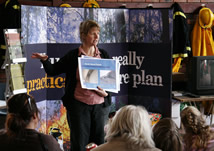
- Community awareness, education and safety programs
- Fire safety input planning for major community risks
- Fire prevention and planning
- Land use planning advice at municipal level
- Technical services including building code-related inspections, post incident analysis and fire investigation.
- Vegetation Management
- Planned Burning
- Sustainable Fire Management
Page last updated: Monday, 17 August 2026 3:42:49 PM