Summary
- Some plants and certain garden designs increase the risk of your home catching on fire
- Garden design and layout is more important than the type of plants you choose
- Keeping the area around your home relatively clear of vegetation is key
- Breaking up vegetation into garden beds or planting groups can help slow the spread of fire
Garden design can lower bushfire risk
Even if your plan is to leave early, strategic plant selection and smart garden design can increase the chance of your home surviving a bushfire. Not only is this about your home still being there when you return, but it's about making it a safer place to shelter if you get caught out.
If put in the right location, plants and trees which catch fire more slowly (low flammability species) might help protect houses by:
- reducing the amount of radiant heat reaching a house
- reducing direct flame contact on a house
- reducing wind speed around a house
- deflecting and filtering embers.
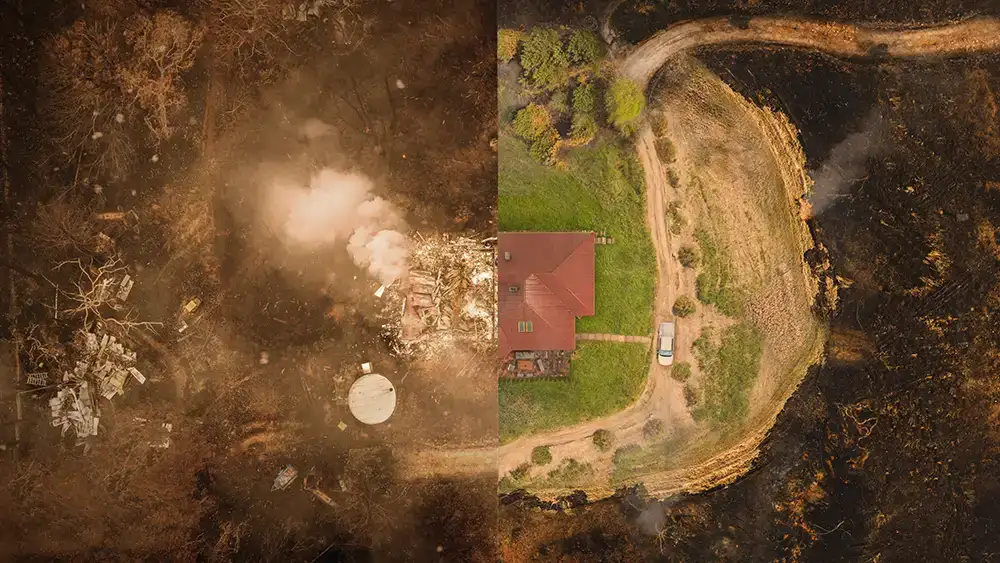 How you manage vegetation around your home can make the difference in the way bushfire affects your home.
What is a fire resistant garden?
All plants will burn under the right conditions. But some plants and landscaping materials are less likely to catch fire (are less flammable) than others.
Designing a fire resistant garden involves:
- keeping the space immediately around your home relatively clear and free of plants and material which could catch fire, and
- further out from the home, keeping more flammable plants and elements in the garden separated from each other
Regular garden maintenance is essential to make sure plant matter doesn't build up and increase the fire risk of the garden.
Note: A fire resistant garden is different to a garden full of fire resistant plants. Fire resistant plants are plants which survive and regrow after fire. But some can be highly flammable, adding to fire risk on your property. Instead, look for low flammability plants when designing your garden. Learn more about choosing suitable plants.
How plants and garden materials increase fire risk
Some plants and landscaping materials can increase the risk of your house catching on fire when not chosen and arranged carefully.
A poorly designed garden can:
- provide more fuel for the fire
- encourage fire to move towards your home
- cause your home to catch on fire from radiant heat or embers.
Below are common ways garden elements can increase bushfire risk.
Dead leaf litter
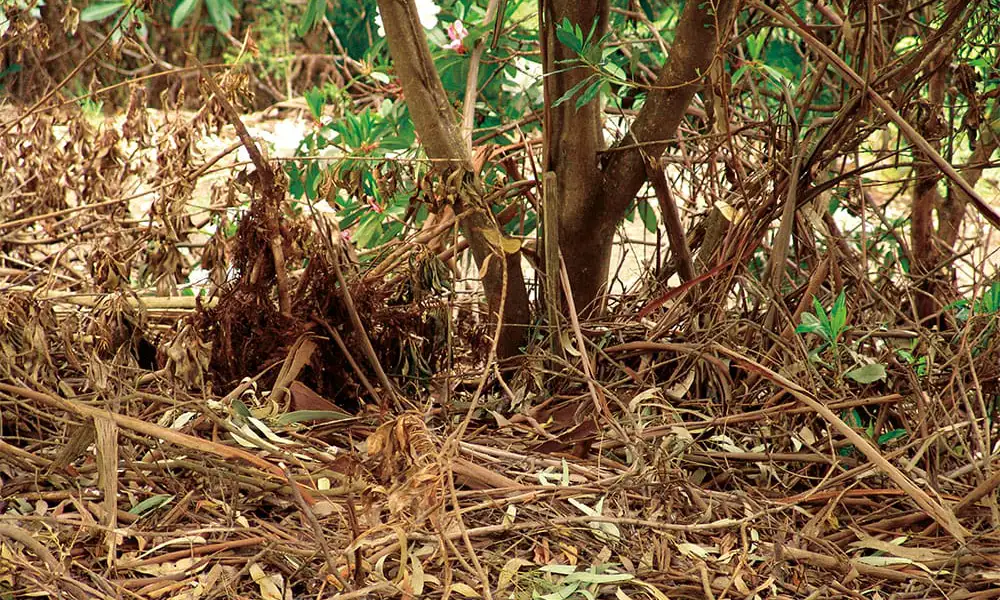 Dead leaf litter is highly flammable and should be removed from your garden before and during bushfire season.
Dead leaf litter on the ground can catch fire, creating embers. Embers can land on doormats or get into gaps in your roof, the chimney, under your floor or directly into your home through windows, setting your house on fire.
Anywhere burning leaves or twigs get into your home, there is a risk they will set it on fire. Learn about home improvements you can make to prevent embers getting stuck in your home.
Make sure you take the time to properly clean up your garden and prepare your property for bushfire season.
Vines and climbing plants
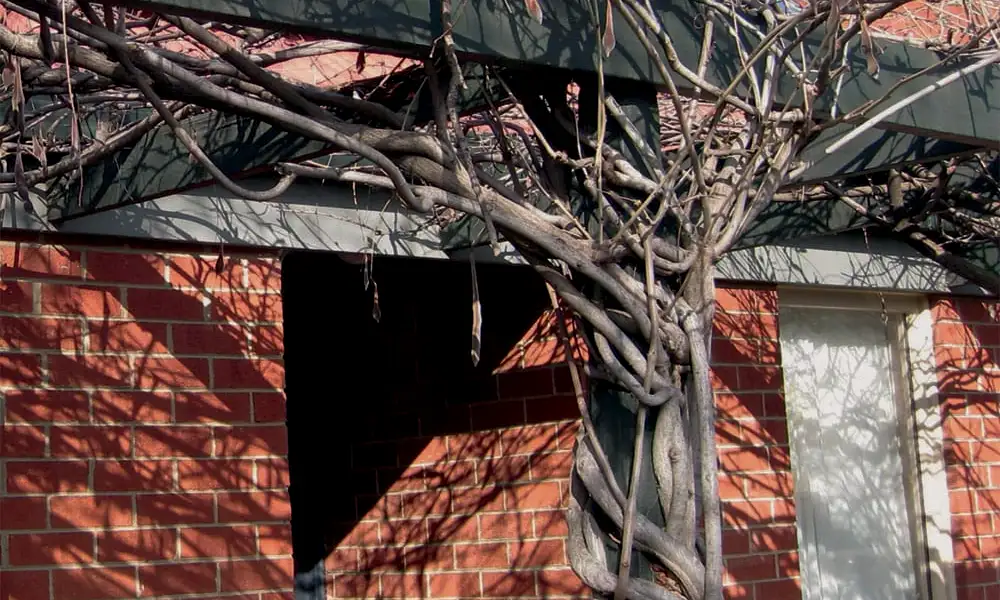 Vines and climbers can act as ladders taking fire up from the ground.
Vines or climbing plants on or near your home can spread fire to your home, setting it on fire.
Organic mulch
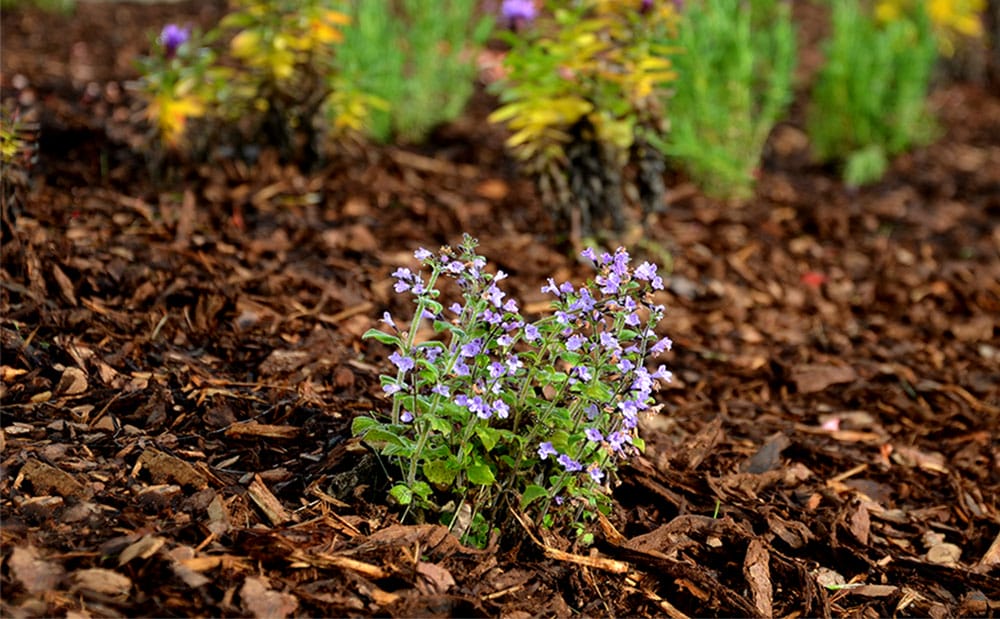
Organic mulch is highly flammable and can create a path of fuel for the fire to burn along, leading flames directly to your home. Embers landing on organic mulch can start spot fires right near your house.
Use inorganic alternatives like river pebbles or crushed rock.
Garden beds under windows
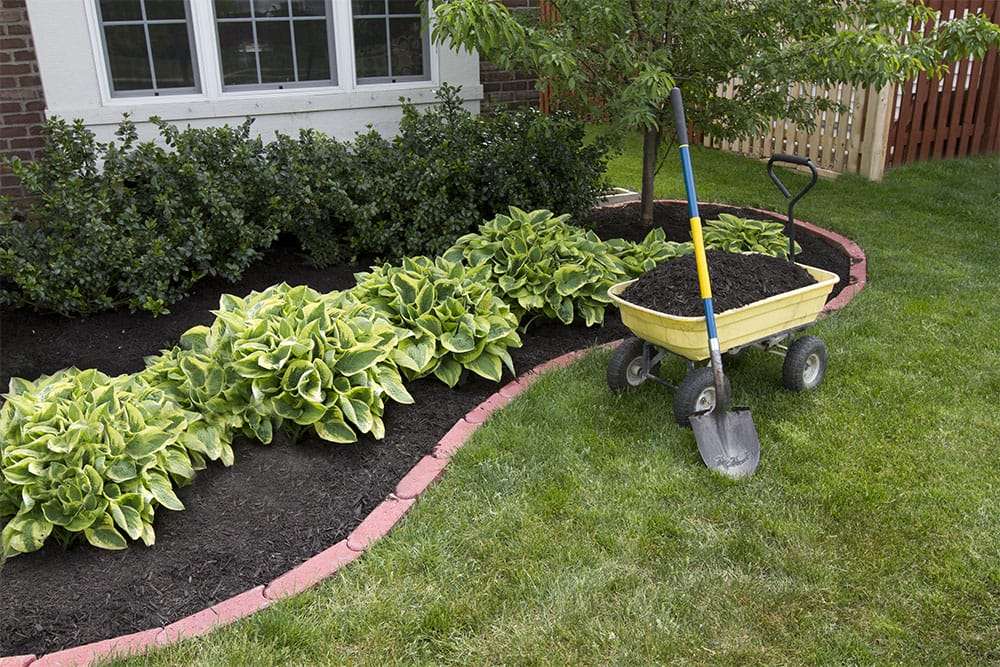
Plants under windows or right next to your home can produce lots of radiant heat when they catch on fire. This can set your house on fire or cause windows to break and embers to fly in.
Shrubs under trees
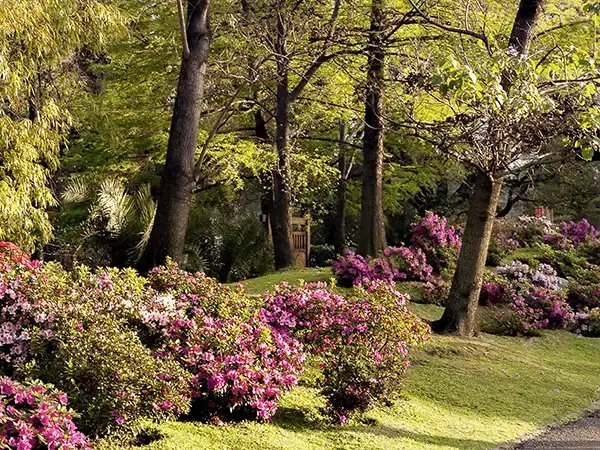 Well spaced trees with shrubs pruned away from trunks.
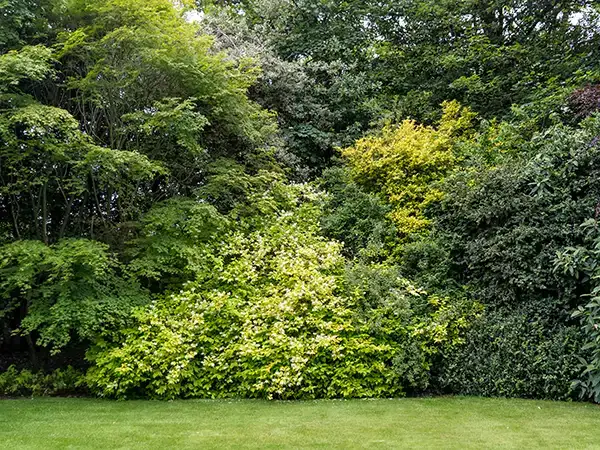 Foliage from ground level leading up into the trees.
Shrubs under trees can act as a ladder and move the fire from ground into tree canopies, creating a more intense fire.
Fallen tree branches and limbs
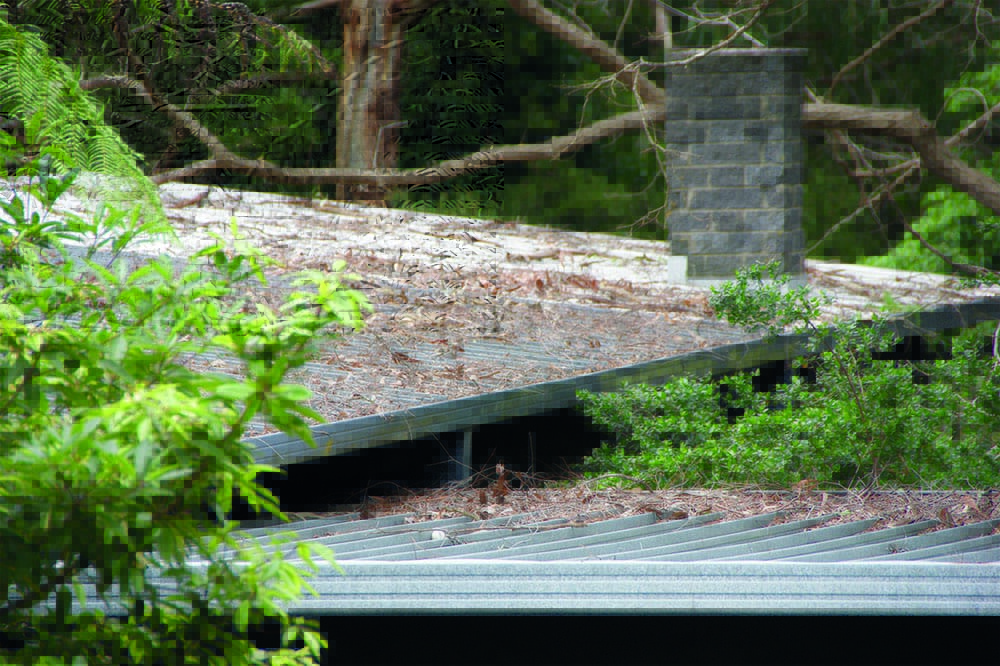 Trees very close to your house increase your fire risk.
Leaf litter, branches and tree limbs that have fallen on your roof can catch fire and burn, setting your home on fire.
No gaps between plantings
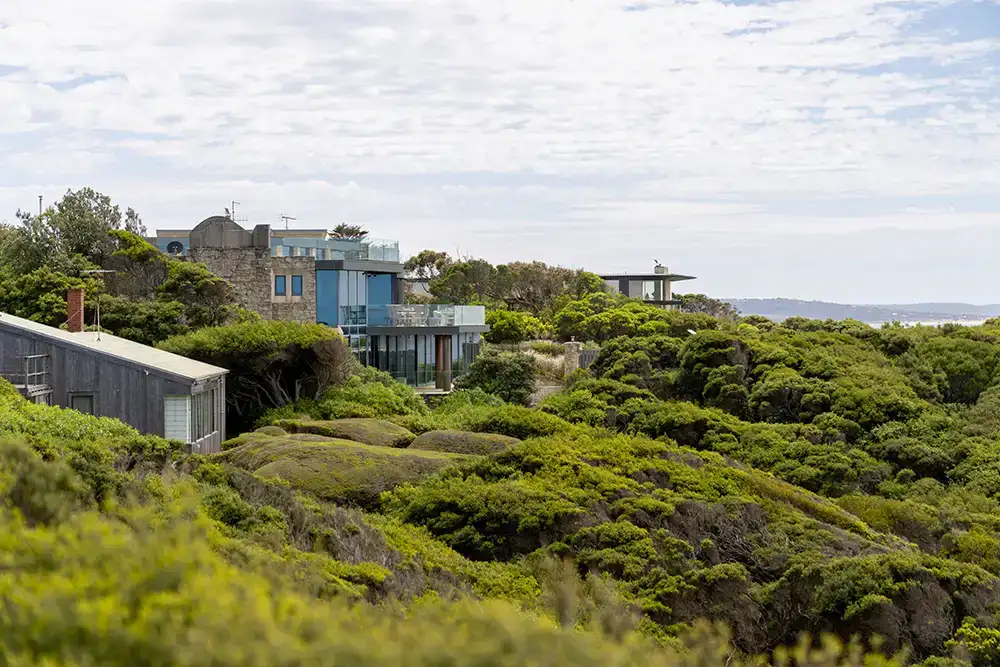
Plantings without gaps (fuel breaks) can encourage fire to move continuously towards your home.
Resources
Landscaping for Bushfire: Garden Design and Plant Selection
This downloadable booklet provides further information on garden design and plant selection which can be used for new or existing gardens in high-risk bushfire areas.
Explore more
Explore this section to learn more about the principles of bushfire resistant garden design, how to choose suitable plants, maintaining your garden so it remains effective in a bushfire, and ideas for region-specific garden designs.
Page last updated: Tuesday, 1 September 2026 3:08:17 PM