Summary
- Include your pets in your fire plan
- Plan to leave early with your pets on high risk days
- Have a plan for where you will take them
- Never stay home or go back home for your pet if it puts your life in danger
- Create an emergency kit for your pets
- Make sure your pets' identification details are up to date
Include your pets in your fire plan
Pets are family members, and it can be tempting to put yourself at risk in a fire to save them. But it's important to have a plan in place so you can make good decisions that keep you and your pets safe on hot, dry and windy days.
[Fire planning pets]
[Rebecca Harding - Fire Rescue Victoria, Leading Firefighter]
Our pets and assistance animals are much loved members of our families. And if you don't have a plan or leave late, you might not be able to take them with you. So it's important to include your pets in your fire plan.
[Sukhi Singh - CFA Brigade Community Safety Coordinator]
Fire emergencies can occur anytime. So it's important to have a plan that includes everyone in your household.
[Rebecca Cook - RSPCA Victoria, Head of Prevention]
And that includes these guys.
[Sukhi Singh]
Your plan should include when to leave, where to go, what to take with you.
First, you should get your bushfire plan ready. During summer, fire danger ratings tell us how dangerous a fire would be if one started.
[Rebecca Harding]
If the fire danger rating is Extreme or Catastrophic, leaving early is the safest option. So be aware of the fire danger rating each day. Check your Vic Emergency app is up to date and stay informed. Be ready to act.
[Rebecca Cook]
Is there somewhere nearby you can take your pet on higher risk days? This could be family or friend's home or a kennel. If you're taking them with you check they'll be accepted where you're planning to go.
Are your pets ID tags and microchip details up to date? Do you have a suitable carrier and lead ready and are they easy to get to in an emergency? Have you practiced loading your pets into the car? A scared or stressed animal may be difficult to manage, so practicing with them will make the actions more familiar.
[Rebecca Harding]
Are your pets familiar with your neighbours if you can't go home? There are many reasons you may not be able to get home, including road closures. It's a great idea to identify a trusted person who lives close by who could evacuate with your pets if you're not home on days of high fire risk.
[Rebecca Cook]
Having a pet emergency kit already organised will help you be prepared. Put the kit together in something that is easy to carry.
[Rebecca Cooks daughter]
What about these, Mum?
[Rebecca Cook]
Either's perfect! You'll need food and water and bowl or to drink and eat from. If you have more than one pet, don't forget everyone needs their own bowl and food. A toy or item that smells like home to reduce your pet's anxiety. Bedding - this will depend on your pet and could be their carrier, a cage or even a blanket.
[Rebecca Cooks daughter]
What about waste bags and the litter tray, Mum?
[Rebecca Cook]
Oh, good idea! And don't forget medications.
[Rebecca Cooks daughter]
On it!
[Rebecca Cook]
Our pets can get hurt too, so include your vet's contact details in your first aid kit.
[Sukhi Singh]
Prepare a fire plan for you and your pets today.
[Rebecca Harding]
And always remember to put your own safety first.
rspcavic.org/emergencyplanning
If you live near bush, grassland or coastal areas, or you holiday in these areas, you need to plan for your pets' safety over bushfire season.
Your plan should include:
- when to leave
- where to take your pet
- what to take with you
Each of these topics is covered below.
RSPCA Emergency Planning booklet
Use RSPCA's downloadable Emergency Planning booklet (PDF, 1.6MB) to help you develop a plan for your pet. It includes a Pet info sheet where you can document all your pet's key information in one place.
When to leave
High risk fire danger days and pets
A high risk fire day is when the weather is hot, dry and windy, or the fire danger rating is Extreme or Catastrophic.
Make sure you check the Fire Danger Rating during the warmer months to see what the fire risk will be up to four days in advance.
Be ready to go
In periods of high fire danger, have your pets' essentials ready to go.
Leave early before there is a fire in the area. Make sure you and your pets are well away from high risk areas on Catastrophic fire danger days.
Leave early and reduce the risk of getting caught
Where possible, leave early, before a fire threatens. If you or your pets are stressed, it might take longer to get ready and in the car. Make sure you factor this into your timing.
Go through the following steps when leaving with your pet, so you don't forget anything important.
- Contain your pet early - on a lead, in a crate or carrier and make sure they have plenty of water to drink.
- Confirm where you'll go. Can your pets stay at a kennel or cattery, a friend or family member's house or will they stay with you?
- Find your pet emergency kit and key documents. Bring them with you.
- Secure your pet in your vehicle with a proper restraint.
- Leave a note on your door for emergency services, indicating your location and the details of any animals you left behind.
Put your safety first
Never try to go back and get your pet once a fire has started and don't stay at home to be with your pet—it puts you and your pets' lives at risk.
Leaving late, once a fire has started, could result in injury or death. Roads might be closed or blocked and you could find yourself cut off.
Where to take your pet
Well before bushfire season think about safe locations where your pets could go during periods of high fire danger. Consider:
- friends
- family
- kennels and catteries
Write down contact details for each option.
Speak to the people you have identified to make sure they are happy to look after your pet during an emergency. You may need to leave your pet there while you stay somewhere else.
What to take with you
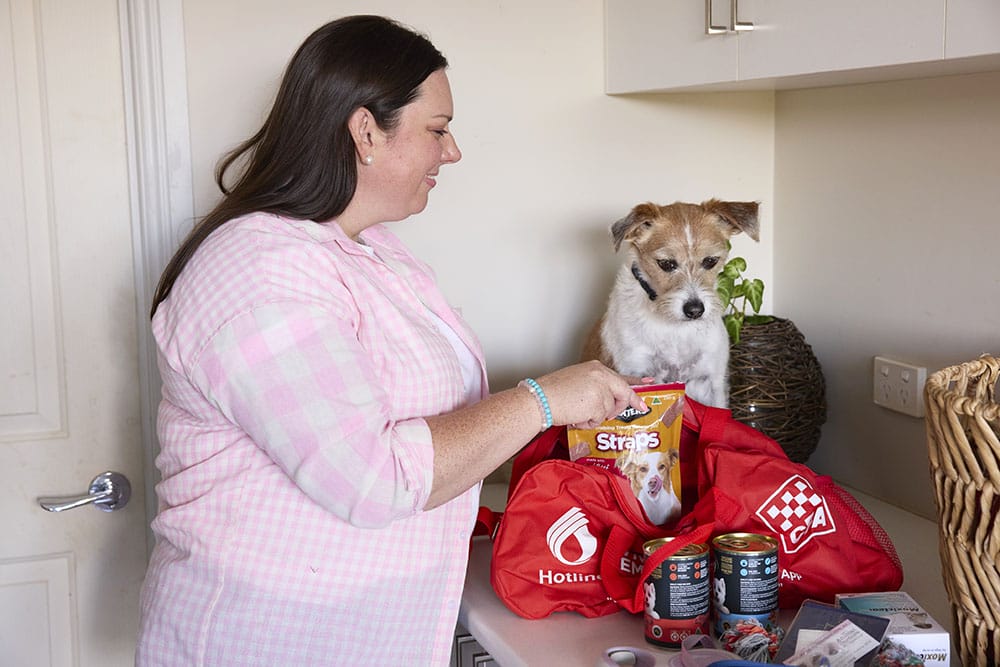 Have a bag of essentials packed that you can grab and go when leaving early with your pet.
Make an emergency kit for your pets
Organise an emergency kit containing essential items for your pet that you can grab easily when leaving early on high fire risk days. It should include your pets' essential items and documentation, including:
Before bushfire season
1. Update your pet's identification details
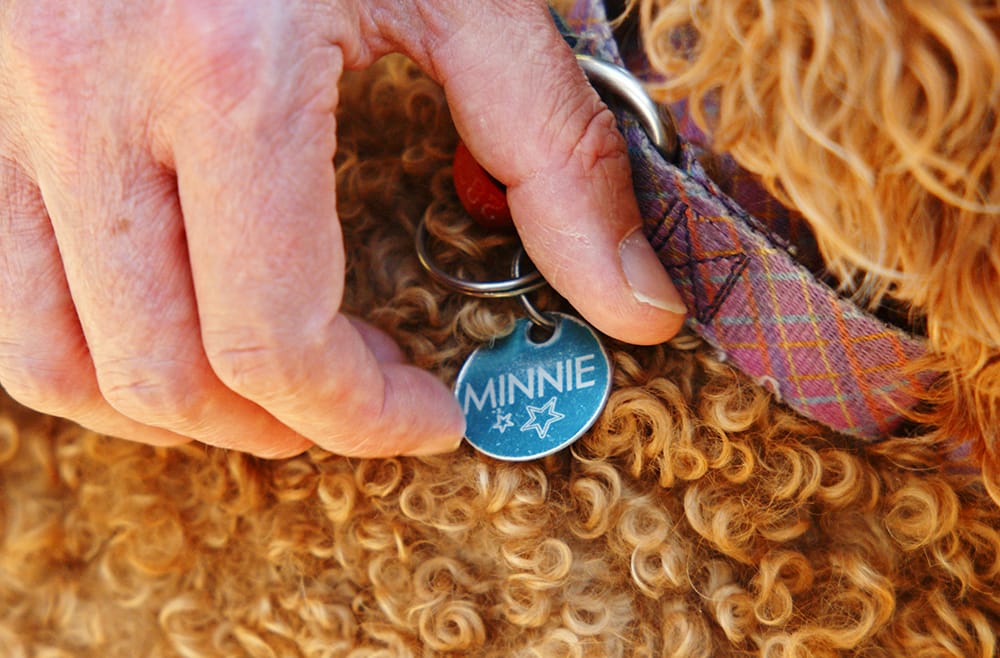
It is important that your pets are microchipped and wear an up to date identification tag at all times.
Make sure your pets' information is up to date with the Central Animal Records. They provide pet identification and recovery services for cats and dogs.
2. Gather important documents
Make sure you have key information in one place. Upload essential information online and store hard copies in a waterproof container. This includes:
- Owner contact details
- Emergency contact details
- Pet details, including:
- Name
- Type of pet
- Breed
- Age
- Weight
- Colour/markings
- Microchip number - check details at Pet Address
- Microchip company
- Specific information about their diet, behaviour, fears, triggers or motivations
- Evidence of ownership - adoption records, council registration or a photo of you and your pet)
- Vet contact details
- Vaccination records
- Allergies or medical conditions
- Prescriptions and information about medications and dose
- Recent photos
3. Speak to your neighbours
If you aren't going to be home on days of higher risk, do you have a neighbour you could trust to take your pets with them?
You may not be able to get home due to road closures or the safety risk.
Make sure you speak to them before the fire danger increases so they are ready and willing to help when needed.
4. Practice your plan
Regularly practice putting your pets into their carriers and loading them into the car.
The more you practise your plan, the less stressed your animals are likely to be when the time comes to leave.
Places of last resort and emergency relief centres
Neighbourhood Safer Places - Bushfire Places of Last Resort and emergency relief centres aren't designed to house pets and might not let them in. You will need to check at the time if emergency relief centres are accepting pets.
If they do let pets in, it could cause stress for your pets to be there.
Plan to leave early and stay with friends or family before the fire danger increases, so you don't need to use a last resort shelter option or an emergency relief centre.
If your pet is injured in a fire
If your pets suffer burn injuries during a fire, get help from a vet or animal shelter as soon as it is safe to do so. Until then, treat affected areas with cool water.
Learn about caring for pets that have been exposed to ash and smoke.
Returning home after a fire
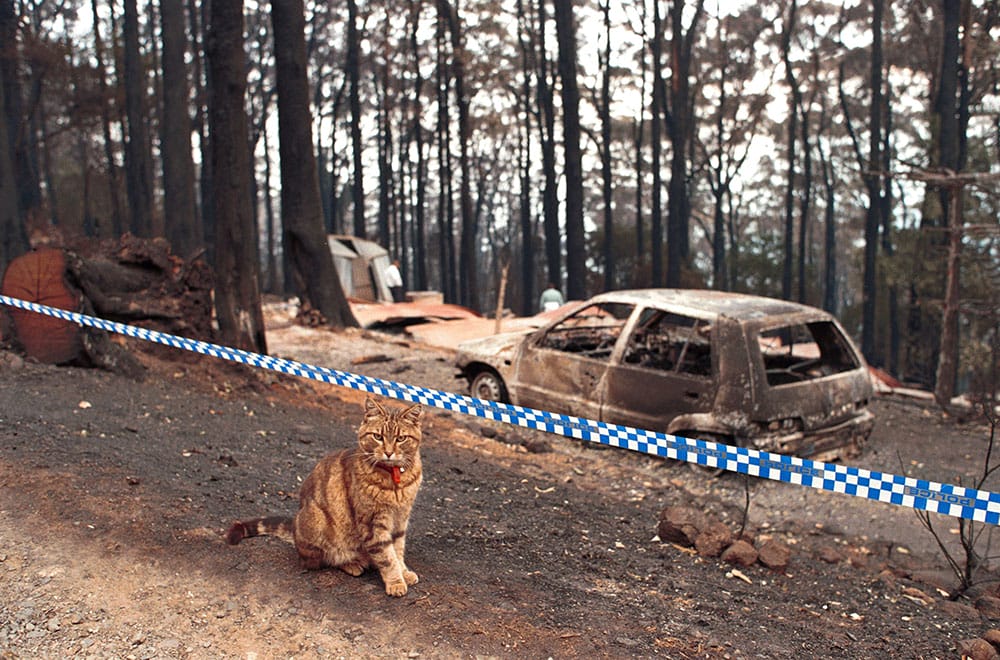 It's important to make sure your home and yard are safe and secure before you bring your pets home after a fire.
It can be stressful for you and your pets to return home after a fire.
Below is a list of things to consider before you bring your pets back home.
- Check your property for anything that could be dangerous
- Make sure that your yard is secure
- Organise a clean, dry and safe space is available for your animals
- Provide access to clean water and food
- Think about bringing your pets home after clean up is complete
Continue to monitor the health and safety of your pets once you return home.
Pets and house fires
If your house catches on fire, never go back into a burning building to rescue your pet. It could result in serious injury or death.
Caring for pets during hot weather

Many animals can experience heat stress when they're not able to maintain their normal body temperature.
On all hot days, especially days of Extreme or Catastrophic fire danger, it is important that you keep your pets as cool as possible.
Look for the warning signs:
- excessive panting
- salivating
- pets that whine or seem agitated
Pets may stop panting and vomit when experiencing extreme heat stress.
If your pet shows any of these symptoms, speak to a vet immediately.
Tips for keeping your pets cool on hot days
- Have fresh, cool water available at all times.
- Ensure your pets have shade at all times or bring them inside into a cool room.
- Wipe your pets down with a cool, damp towel or leave wet towels out for them to lie on.
- Wet your dog with cool water several times throughout the day.
- Consider buying a wading pool for your dog.
- For cats, rub damp hands over their coat or along their tummy.
- Place ice blocks in your pet’s water bowl.
- Wrap ice in a cloth and place it near your pets.
- Consider having your dog clipped if their coat is long and thick.
- Never leave your pets in a vehicle on a hot day.
Resources
Pets and bushfires
This handy 2-page PDF contains all the information you need to know about planning for your pets when it comes to bushfire.
Page last updated: Tuesday, 22 September 2026 12:08:05 PM