Summary
- Make a plan for your livestock well before bushfire season.
- Make sure your animals are identifiable using microchips or Property Identification Codes
- Create a 'safe' paddock for your livestock.
- Relocate your livestock to the safe paddock in the morning of an extreme or catastrophic fire day.
- Put your safety before your animals' safety.
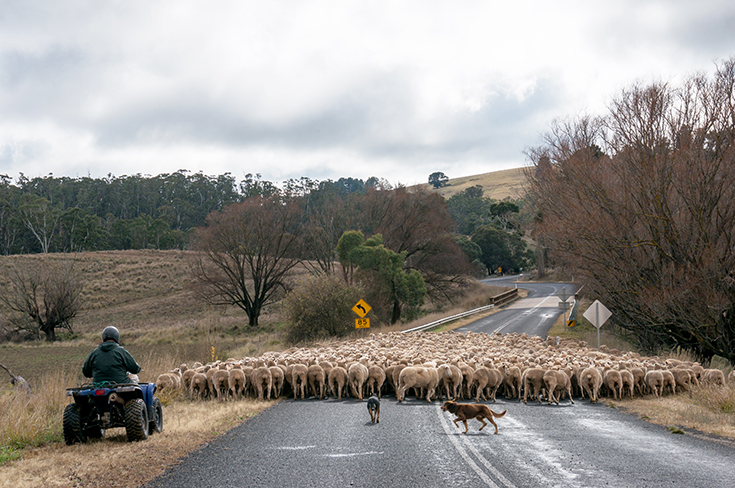 Make sure you include your livestock in your fire plan.
Managing livestock during a bushfire can be challenging, especially when large areas of your farm are burning. Keeping your livestock as safe as you can during bushfires starts with making plans well before bushfire season.
Plan ahead
It's important you have a fire plan just for your livestock. In your plan, you should note:
- which animals you will evacuate and which you'll move to a safe paddock on your property
- where you will take your livestock
- which vehicles you will use to get there
- which routes you will take, including back up routes.
Don't forget to prepare emergency kits for your animals and put them in a prominent place.
Check Property Identification Code + NLIS tags
Make sure you have a Property Identification Code (PIC) registered with Agriculture Victoria indicating there is livestock on your farm. Property Identification Codes may help with identification and recovery of your livestock after a fire.
Ensure your National Livestock Identification System (NLIS) tags and microchip details are all current.
Create a 'safe' paddock
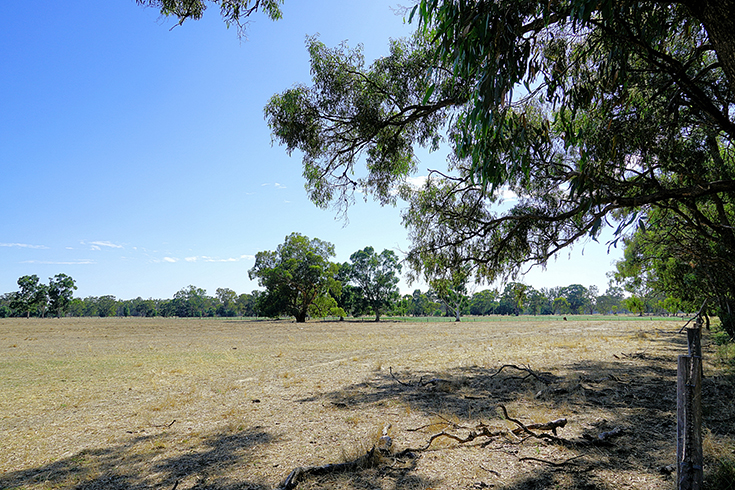 A safe paddock should be well grazed, fenced, large enough for livestock to move freely and away from thick vegetation.
A 'safe' paddock is an area of your farm where you can move your livestock on extreme or catastrophic fire days. This will give them a better chance of survival.
A safe paddock needs to be:
- large enough for livestock to move freely
- easy to access
- well fenced
- green or grazed hard to reduce the fuel load
- away from thick vegetation, trees, long grass or haystacks
- able to provide a water for your animals without relying on a water pump.
If your property is not safe for your livestock, you should consider agisting them out of the area during summer or moving them on extreme or catastrophic fire danger days.
Create a containment area for after a fire
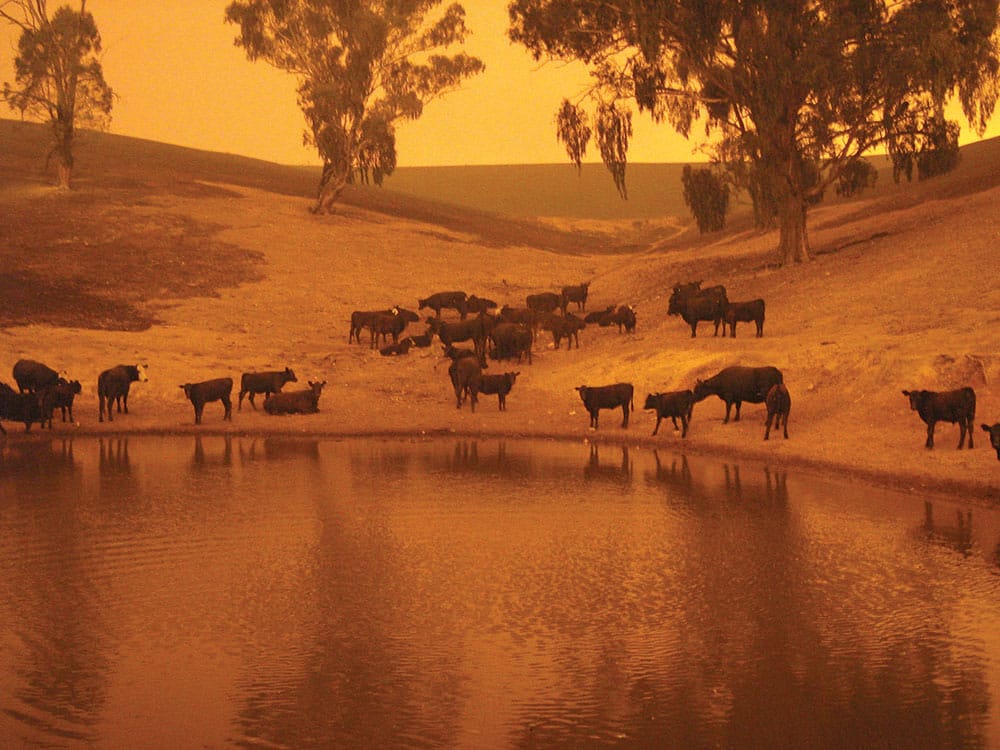
After a fire you will need time for your pastures to regrow and fences to be re-built. A containment area allows you to hold, feed and water your core livestock after a fire.
The containment area should be maintained at all times and available during emergencies.
Learn more about containment areas.
What to do on Extreme and Catastrophic fire danger days
- Move your livestock to the 'safe' paddock or evacuate them early in the morning.
- Clearly identify your animals in case you're separated.
- Fill water troughs in the safe paddock.
- Put out enough feed to last five days.
- Remove equipment such as halters and blankets as they can burn your livestock.
- Leave early and protect yourself and your animals.
- Don't move stock after a fire has started.
- Don't cut fences alongside roads. Loose livestock can cause accidents.
Moving stock after a fire has started is dangerous. You don't want to drive through thick smoke, encounter fallen trees and powerlines, have a car accident or become trapped by fire.
After a fire
If your animals are injured, seek veterinary attention immediately. If your livestock are lost, notify your local council, microchip registry, neighbours and local animal shelters.
Social media can also be a useful way to track down lost or found animals and to find emergency feed, water and agistment.
Livestock and bushfires
A factsheet that guides farmers on how to protect livestock. There are steps you can take before and during bushfires, and it all starts with your farm plan.
Resources
Livestock and bushfires
A factsheet that guides farmers on how to protect livestock. There are steps you can take before and during bushfires, and it all starts with your farm plan.
Your guide to farm fire safety
An easy to follow quick reference guide for farmers and hobby farmers.
On the land
A comprehensive guide for farmers and land managers.
Page last updated: Tuesday, 22 September 2026 2:26:59 PM