Summary
- It's not always safe to go home straight away after a fire. You might need to stay somewhere else for a while.
- Contact your insurance company as soon as possible to get their advice.
- Don't remove anything damaged by fire from your home before speaking to your insurance company.
- You'll need to make sure your home is secured, and essential services turned off until you return.
- Recovery takes time. Get help from professionals if you need it.
Can I stay in my home?
Only if it's safe
It's normal to want to be in your own home and going through your belongings after a house fire, but it's not always safe to be there. Damage from fire can make it unsafe, especially if the structure of your home has been weakened.
The Fire Officer in Charge decides whether it's safe to stay or not. They might call the local council building inspector to assess the safety of the building.
If you can’t stay in your home
Organise somewhere to stay
Check with your insurance company if they will cover the cost of emergency accommodation. If you don't have this option, try to stay with friends or family until it's safe to return home.
Take personal items with you
If you can't stay in your home, you might be able to collect some important belongings before leaving to stay somewhere else. Check with the Fire Officer in Charge if it's safe for you to go inside. If it is, here is a suggested list of things to collect:
- ID cards, like your driver’s license, Medicare card, passport
- Car and house keys
- Mobile phone and charger
- Laptop and charger
- Insurance contact details and policy
- Wallet, credit cards and/or cheque books
- Medication and prescriptions
- Note: any medication that's been close to heat and smoke should be thrown out and replaced.
- Mobility aids, glasses, hearing aids
- Valuables like jewellery, photographs, cash etc
- Legal documents.
Other things to do
- Contact your gas, electricity, water and internet provider to cancel services until you move back in.
- Cancel any delivery services.
- Re-direct your mail.
- Change your address with important contacts like your employer, schools, insurance company and neighbours.
- Let your local police station know that your property has been involved in a fire and that no one is living there for a while.
Speak to your insurance company
If you have home or contents insurance, you should call your insurance company as soon as possible after the fire.
Speak to your insurance company about:
- what happened
- what has been damaged/destroyed
- what information they need from you
- what you should do now
- how to protect your property from more damage
- including covering holes where rain could get in, and securing the property so people can't break in and steal or damage your belongings
- any cleaning or repair services you need
- whether your policy covers emergency accommodation.
Once it's safe to be in your home again, make sure you don't throw out any damaged belongings without speaking to your insurance company first. Keep any receipts for emergency security or repair work you have done, and start making a list of damaged items and take photographs of each item if you can.
Refer to your insurance policy and speak to your insurance company for more advice. If you can't remember the name of your insurance company or the details are not available, you can find out by submitting an enquiry to the Insurance Council of Australia or calling them on 1300 728 228.
Securing your property
If you own your home
You're responsible for ensuring your home is safe from more damage due to weather or people breaking in to steal or vandalise your property. Your insurance company may not cover any damage after the fire has happened.
Speak to your insurance company for advice on what to do to secure your house and if they can help. You might need to organise temporary fencing, roofing or shutters to protect your house.
If you're renting
If you rent your home, you need to contact the property manager and ask them to secure your home after the fire.
Re-connecting gas, electricity, water and internet
Your gas, electricity, water supply, internet and phone lines might have been damaged, destroyed or disconnected due to the fire. If you own your home, it's your responsibility to have the services:
- inspected
- repaired
- re-connected
If you're renting, speak to your property manager to have your services inspected, repaired and re-connected.
Cleaning up after the fire
Smoke, soot and firefighting water can damage your house, furniture and belongings. Walls, carpet, furniture, curtains, clothing and other belongings are all likely to be affected. The good news is, you might be able to save some of your belongings, even if they have been affected by heat, smoke or water.
If you have insurance, see if your insurance company will organise professional cleaners to deep clean your property and help remove damaged items and materials.
Cleaning tips
- Open windows and use a fan to get the air moving. This helps with getting rid of the smell and moisture.
- Dry everything that's wet as soon as possible.
- Take curtains, bedding and large items you can't wash to a dry cleaner.
- Wash clothing in warm water with detergent.
- Wash walls, furniture and floors with detergent. Wear rubber gloves.
Electrical appliances will need to be checked by an electrician or authorised service provider before you use them again.
Asbestos must be removed
If your home contains asbestos, you or your rental provider need to organise a licensed asbestos removalist before you can return home. Speak to your insurance company, the local council or property manager to organise this.
Where to get help with recovery
Coping with a stressful event
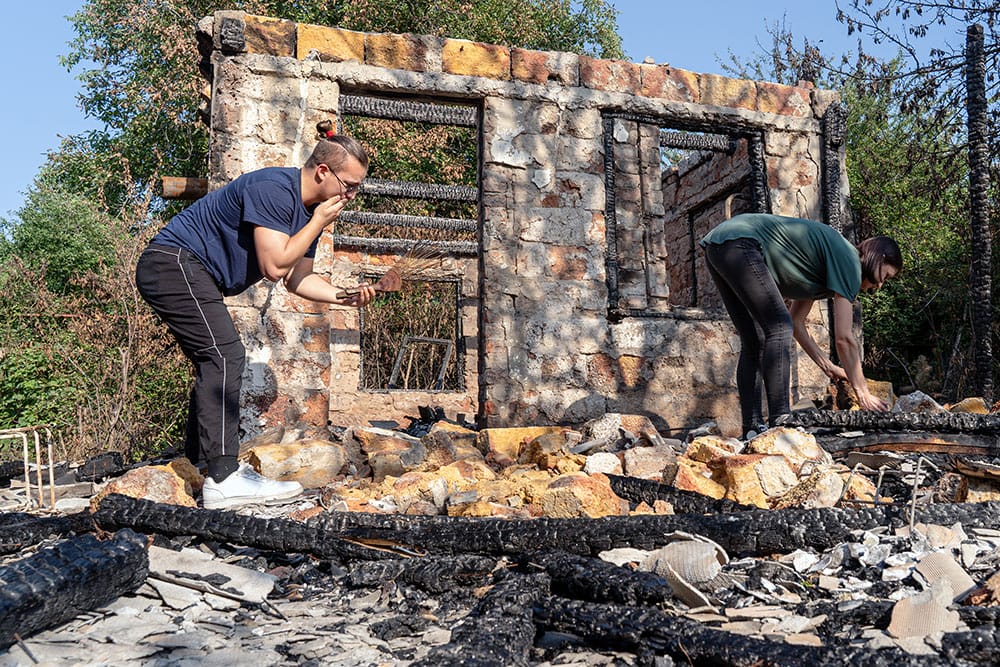
It's normal to have strong reactions after a stressful event like a fire. Each person’s experience after something like a fire is different, but there are a few common responses you might be feeling:
- shock
- disbelief
- anger
- fear
- loss
- despair
- hopelessness
Know that whatever feelings you experience are normal reactions to an abnormal event.
Looking after yourself
Take the time to acknowledge what you have been through and give yourself permission to adjust. Here are some tips for recovering well after a fire.
Prioritise rest and looking after yourself
Eat regular, nutritious food, and move your body.
Have a routine
Return to your regular routine and keep structure in your day to care for yourself at this time
Spend time with people
Reach out to your social connections and spend time with others.
Don't use drugs and alcohol
Find healthier ways to cope with the stress.
Reach out for professional support
Talking about feelings can help with the recovery process, reach out for professional support. Your GP is a great place to start.
Take it easy
You're more likely to experience illness and injury after a stressful event like this, so be kind to yourself.
Avoid making major life decisions
This isn't the time for big changes and big decisions. Just take each day at a time.
Signs you might need professional help
If you're experiencing any of the following, we recommend getting professional help as you recover from what has happened:
- feeling very distressed, frightened, irritable or jumpy a lot of the time
- unable to carry out your normal roles at work, school and/or with your family
- feeling sad, overwhelmed or experiencing feelings of hopelessness, or
- thinking of harming yourself or someone else.
Help can come from your doctor, a psychologist, counsellor or Lifeline (13 11 14).
Where to get mental health and wellbeing support
Page last updated: Monday, 7 September 2026 7:38:48 PM