Summary
- It might not be safe to go home straight away. You may need to stay away for your own safety.
- Check if your insurance will cover emergency accommodation.
- Take your time to get ready mentally and emotionally for your return.
- Once you return home, follow safety steps to secure your property.
- Have your services checked, fixed, and turned back on.
- Remember that it's okay to ask for help if you’re struggling to cope and need support.
Steps to take before returning home
- Check if it's safe. Ask local emergency services if it's safe to return home.
- Assess the roads. Make sure the roads are open and safe for travel.
- Gather supplies. Pack important items like bottled water, food, and a first-aid kit.
- Tell others. Let your family, friends, or neighbours know you're returning home.
- Watch for dangers. Be aware of hazards such as downed power lines, unstable buildings, and areas that still have smoke or hot spots.
- Be ready to change your plans. It's normal to feel stressed or upset upon returning home after a bushfire, so stay open to changing your plans.
- Talk to someone for emotional support. This could be a loved one, friend or a professional.
Return home only when it's safe
After a bushfire, it's normal to want to go home right away to check for damage and get back to your routine.
However, for your safety, you may have to stay away for several days or even weeks. The area could still be dangerous, and there might be active fires or dangerous trees. Wait until local authorities say it's safe to go back.
What to do when it's not safe to return home
Everyone's situation after a bushfire is different. Some people may have lost their homes completely, some may have partial damage, and others might have no damage at all.
Even if your home is mostly okay, you may not be able to go back if your area is still dangerous. Roads can be closed for weeks after a big bushfire.
Find a place to stay
You may feel most comfortable staying with friends or family, or making your own arrangements. Check if your insurance company will pay for emergency accommodation. If you don’t have anywhere to stay, contact your local council for help.
Figure out what you need
Think about everyday items you need that may not be in your emergency kit. Make sure you have enough of each of these items for several weeks:
- clothes
- shoes
- toiletries
- medication
- prescriptions
- food.
If you need to buy any of these items again, your insurance might help pay for them, or you may qualify for assistance after a natural disaster. Check our tips for packing an emergency bag before bushfire season starts.
Speak with your insurance company
Contact your insurance company after a bushfire if you have home and contents insurance. Know what your insurance covers and talk to them about:
- what happened
- what has been damaged or destroyed
- what you should do next
- how to protect your property from additional damage
- cleaning or repair services.
Keep a copy of your insurance information in your emergency kit so you can easily find your policy details. Expect delays in getting your claims processed. If you're waiting and need help, you might be able to get cash assistance from state or federal government programs.
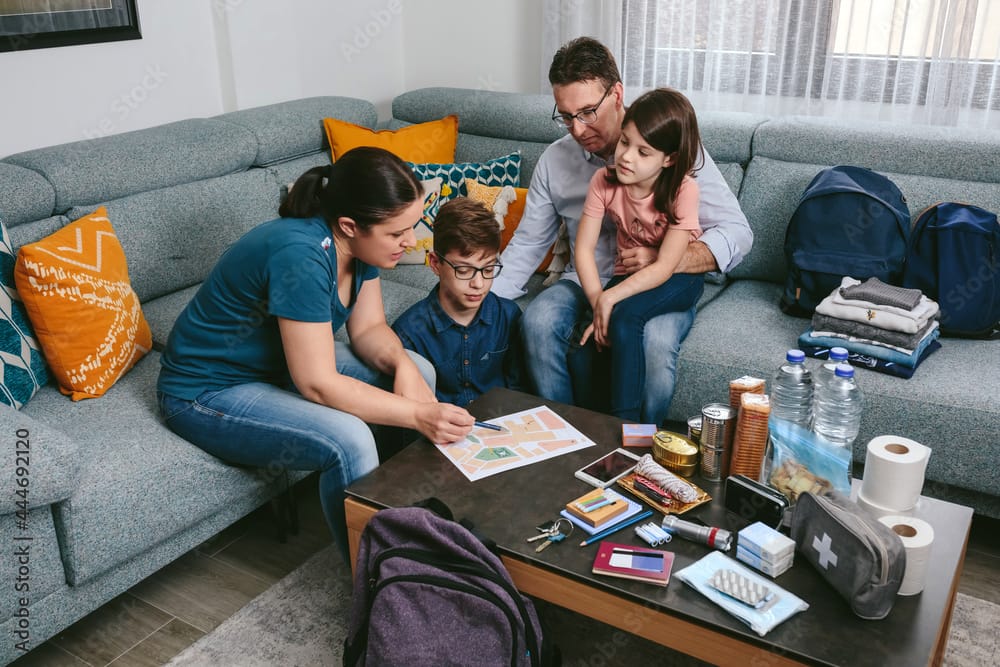
Once it's safe to return home
When authorities give the all-clear, prepare to go home. Dealing with
the aftermath of a bushfire can be hard. Before you leave, take a
moment to think about what you’ve been through and what you might see
when you arrive home or on the way there.
When you get home, you might feel a lot of different emotions. It's
okay to have mixed feelings at this time. It may help you manage them if
you have prepared yourself mentally ahead of time. Be ready to change
your plans if going home feels too overwhelming, scary, or sad.
Protect yourself
Wear protective clothing, like sturdy boots, a long-sleeved shirt, long pants, gloves, and a hat. Pack a torch, a battery-operated radio, eye protection, and plenty of food and bottled water.
Make sure your tetanus shot is up-to-date and that your phone is fully charged before you leave. Smoke and dust can affect air quality, so take P2/N95 face masks with you.
Only adults should go into fire-damaged areas. Avoid bringing children or pets home with you.
Travel safely
Even when local authorities advise that it's okay to return home, there may still be hazards in the area that you need to be wary of.
Look out for unsafe trees, downed power lines, damaged bridges, roads, footpaths, and unstable buildings—anything that might fall. Don’t do anything that could put you or anyone else at risk.
Is my property safe to stay in?
Do a hazard check as soon as you arrive. Look for:
- Electrical hazards
- Leaking gas
- Sewerage or septic leaks
- Burning embers
- Fire-damaged trees and branches that might fall
- Structural damage
- Damaged asbestos
- Dangerous chemicals
- Burnt treated timber.
You might need an expert, like a structural engineer, to check if your walls and roof are stable and safe. If your home contains damaged asbestos, you will need a licensed asbestos removalist to take care of it before you return.
If your home is unliveable and needs to be demolished, the Victorian Building Authority can help you with information on rebuilding after a bushfire.
Drinking water and water tank safety
Your water supply may be contaminated after a fire. Do not drink it, cook with it, brush your teeth with it, or give it to pets or animals until you have cleaned the ash and debris from your roof and gutters and reconnected your downpipes.
You can also wait for heavy rain to help clean your tank. Learn how to keep your drinking water safe as part of your bushfire plan.
Securing your property
If you own your home
You'll need to keep your home safe from more damage after a bushfire. This includes protecting it from weather and break-ins. Your insurance might not cover any damage done after the fire.
What to do:
- Call your insurance company for advice on how to protect your home.
- Ask them how they can help.
- Consider getting temporary fencing, roofing, or shutters for extra protection.
- Check if your gas, electricity, water, internet, and phone are damaged or disconnected. Arrange to have these services inspected, repaired, and re-connected.
If you're renting your home
Get in touch with your property manager as soon as you can after a bushfire.
What to do:
- Ask them to secure your home.
- Give them a list of urgent and non-urgent repairs. Keep a record of when you contacted them and what you asked for.
-
Ask them to have your gas, electricity and water services checked, fixed, and turned back on.
Cleaning up after a bushfire
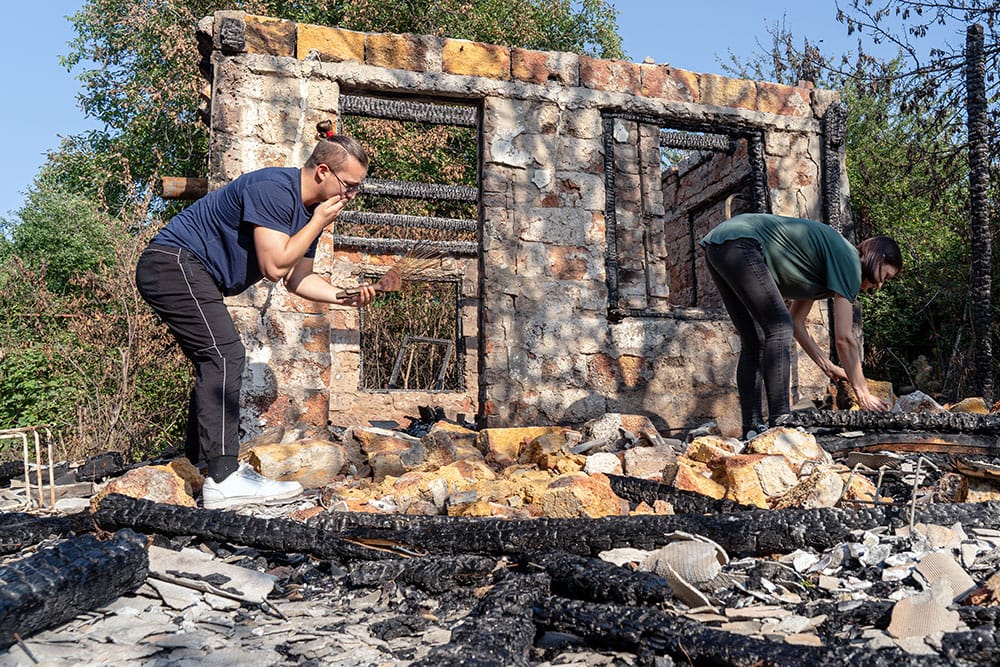
Smoke, soot, and firefighting water can damage your home, furniture, and belongings. Ask your insurance company if they can send professional cleaners before you start cleaning on your own.
To stay safe, wear thick gloves and sturdy shoes. Be careful when going into burned areas, as there may still be hot spots that can catch fire. Open windows and use a fan to help move the air, and dry anything that's wet as soon as possible.
Make sure you take ample breaks and drink water while you clean.
Where to get help with recovery
For information on hardship assistance.
Contact:
1800 560 760
For people needing to gain safe and permanent housing.
Contact:
13 11 72
(24/7 service)
For Exceptional Circumstances Relief Help.
Contact:
13 28 50
For information for farming families, farm businesses, and rural communities.
Contact:
1800 226 226
For information on injured animals, wildlife, and livestock.
Contact:
(03) 9224 2222
Page last updated: Wednesday, 16 September 2026 12:11:50 PM