Summary
- Turn down your hot water temperature.
- Keep kettle cord tidy and out of reach of children.
- Don't drink hot drinks near children.
- Keep children out of the kitchen and away from hot objects and open flames.
- Treat a burn by putting it under cool running water for 20 minutes.
Be careful around hot food and liquids
Hot food and drinks, steam and liquids are the main cause of serious burns in children.
Children can easily be burned when they pull hot food, drinks or soups down off benches onto themselves, or when parents spill a hot drink while a child is sitting in their lap.
The skin of children and older people burns more easily than teenagers and adults. For instance, a hot coffee that may only cause mild pain for an adult, could seriously scald a baby or an older person. Care must be taken.
Supervision is key
Most injuries occur during normal everyday activities around the home. Many accidents happen when children are unsupervised. Parents should be around during any situation wherever and whenever there is potential for burns and scalds.
In the kitchen
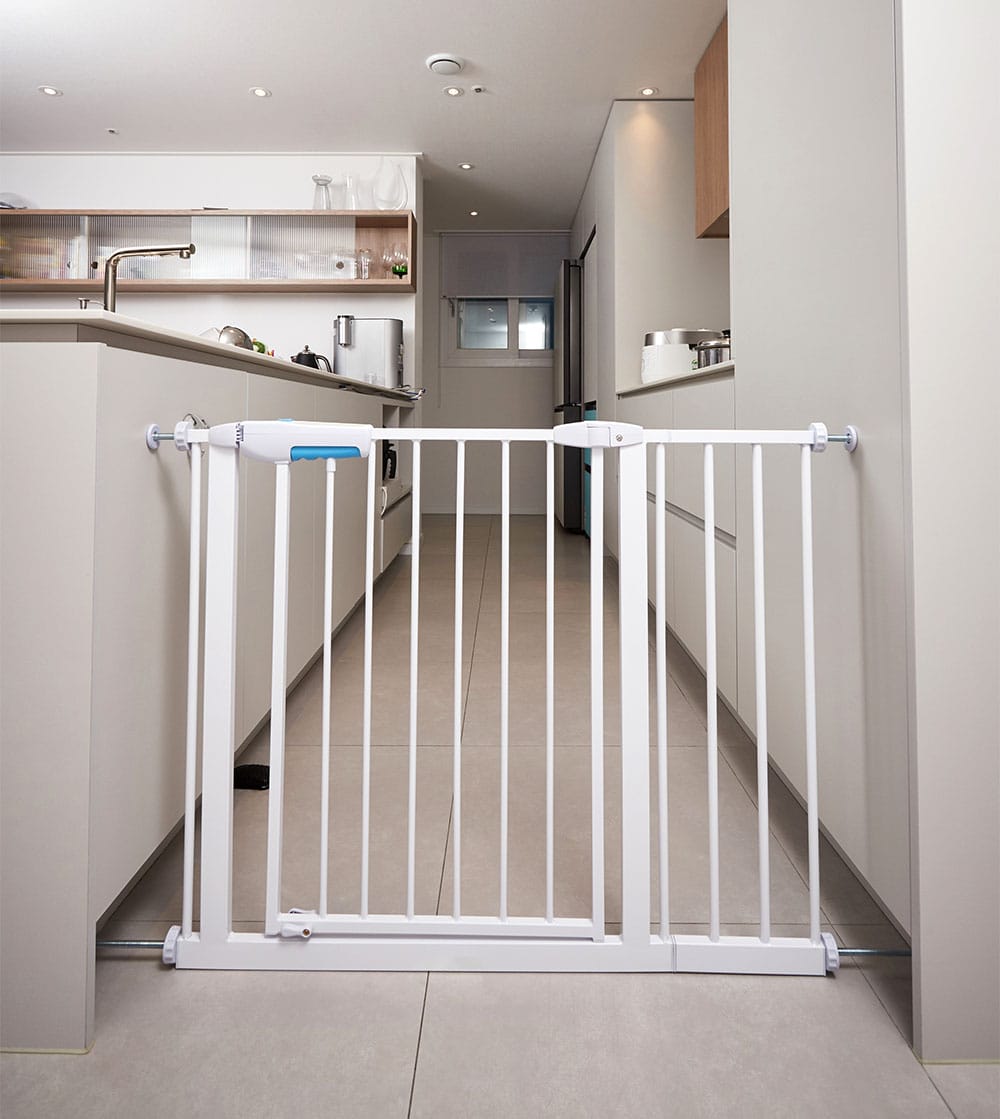
- Always supervise children in the kitchen. Keep them away from the stove and oven.
- Teach children to stay out of the kitchen while you are cooking or preparing meals.
- If you have a toddler, consider installing a child safety gate to keep them out while you are cooking.
- Keep your children away from hot foods and liquids (for example, tea, coffee, soups, noodles).
- Keep hot drinks and foods out of reach.
- Never leave cooking unattended. Stay in the kitchen and watch your cooking.
- Keep pot handles turned in on the stove, so it's less likely a pot can be knocked off and burn children or other people and pets in the house.
- Store the kettle and cord away from the edge of the bench so that children can’t reach them and pull them.
In the bathroom
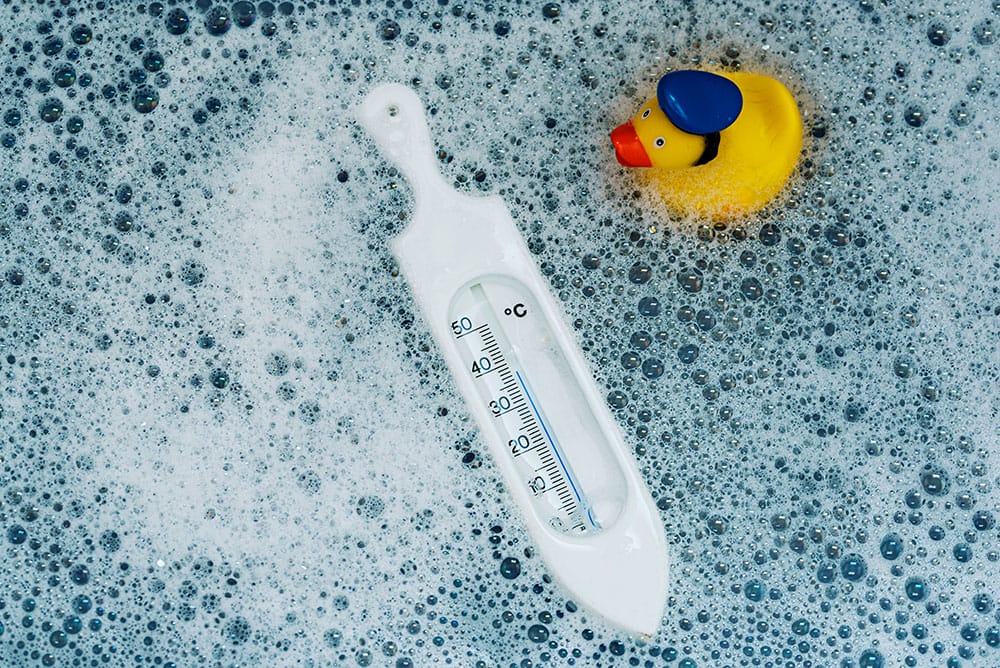
- Set the temperature of the water in your taps below 50°C. This can help prevent serious scalds from hot water taps. A licensed plumber can set the temperature correctly.
- 37°C is the maximum recommended temperature for a shower or bath for a child.
- Always test the water before letting a child get in the shower or bath.
- Add cold water to the bath first and then add the hot water.
- Stay close to children when they are in the bath.
- Keep your child away from lever taps as these are easy for you or your child to knock on accidentally.
Around the house
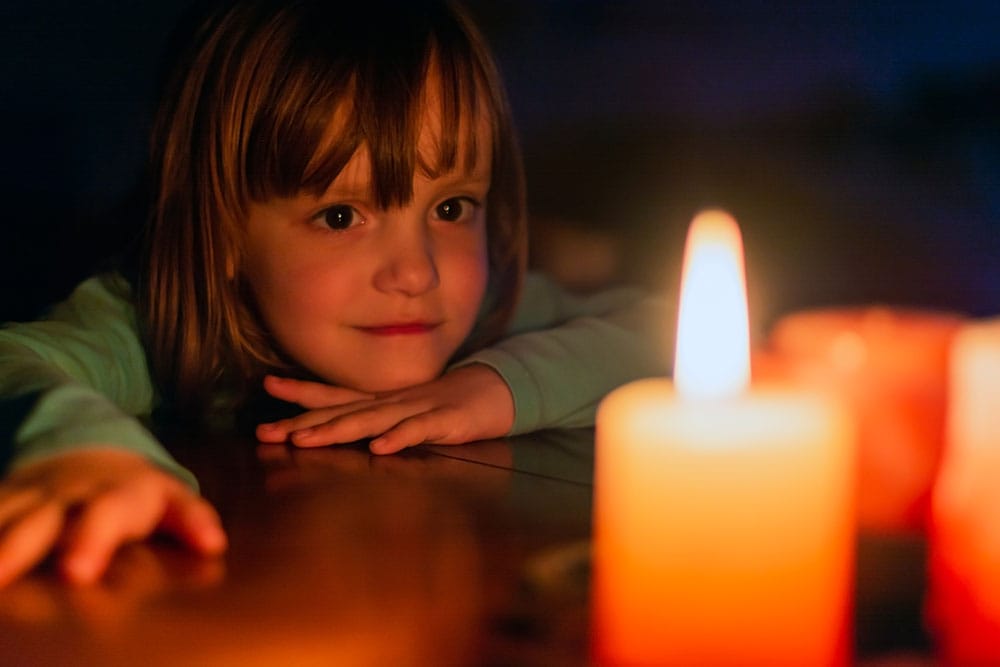
- Keep lighters, matches, oil burners and open flames such as candles, fire places and ethanol burners away from children.
- Always use a fire screen in front of an open fire.
- Never leave children alone near burning candles, incense or oil burners.
Learn more about children and home fire safety.
Campfire, bonfire and fire pit safety
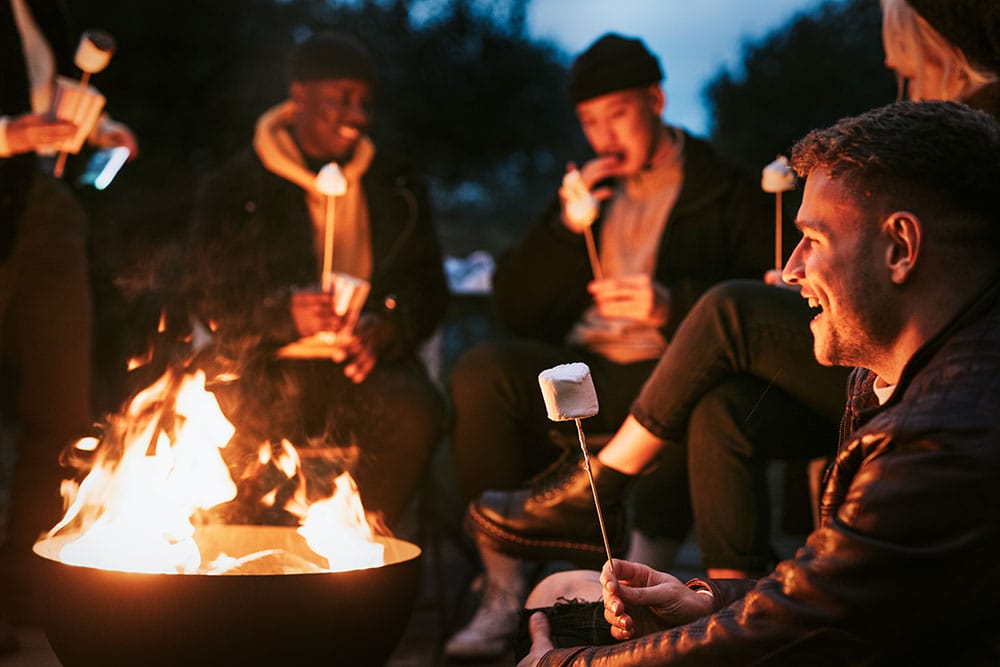
Burns from open fires such as campfires, bonfires and fire pits are often caused by flammable liquid such as petrol being added to an open fire.
Men aged 15 -35 years are most commonly involved in these types of burns, but it can happen to anyone. Burns usually happen to the hands, arms and legs and will usually require hospital admission and surgery.
Tips for preventing open fire burns:
- use a portable stove rather than an open fire for cooking
- limit how much alcohol you drink when near an open fire or fire pits
- never add accelerants like petrol to a smouldering or lit fire
- don't use accelerants like petrol as a fire starter
- never throw aerosols into a fire
- don't allow children to run, play or be unsupervised near a campfire
- never light fires during a Total Fire Ban or on windy days.
Treating burns
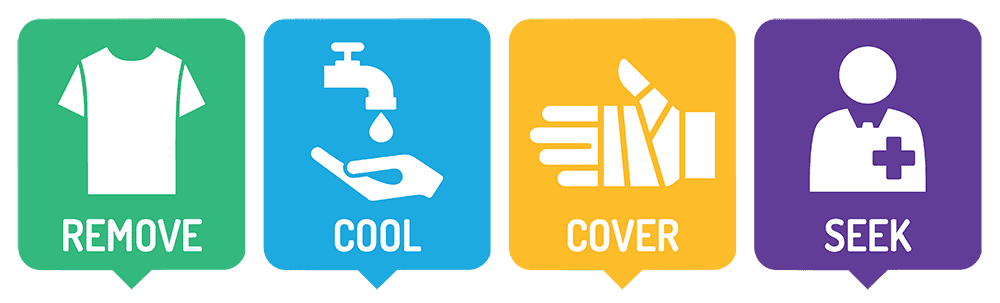
If you or someone you're with gets burned, treating the burn immediately in the right way will help.
1. Remove
Remove clothing or jewellery that's not stuck to the burn. Try not to do any more damage to the skin. Sometimes you will need to cut clothing to remove it.
2. Cool
- As soon as possible, hold the burn under cool running water for 20 or more minutes.
- Keep the person as warm as possible and just target the burn with the cool running water.
- Don't use ice to cool the burn as this may make the burn worse.
- Never apply any lotions, creams or food items (including egg whites, butter, toothpaste, potato) as they make the burn worse.
3. Cover
Cover the burn with a loose, non-stick dressing or plastic cling film until the person is seen by a doctor, but don't keep the plastic cling film on for more than an hour.
The doctor will probably apply new dressing, which will keep the burn clean and help to reduce pain.
4. Seek
You should seek medical help immediately if:
- the burn is deep, even if the person does not feel any pain
- the burn is larger than 3 cm or has blisters
- the burn is on the face, hands or genitals
- the burn is to the throat or airway
- you are concerned or unsure about the injury.
Call Triple-Zero (000) immediately for a severe burn injury.
Treating a burn
[Treating a Burn]
[Upbeat music]
[Voice over]
If you, or someone you're with gets burnt, the correct first aid will help.
If safe to do so remove clothing or jewelry from around the affected area, to allow the burn to cool.
Drench the burn in cool running water for 20 minutes.
Don't use ointments, butter or ice.
Cover the burn with a clean lint-free cloth, or, if it's a larger area cover it loosely with cling wrap to lessen the chance of infection.
The person should see a doctor if the burn is on the face, hands, feet or genitals.
If it's larger than a 20 cent piece, or has blisters, call triple zero if you need an ambulance.
[Music fades]
What to do if you catch on fire
Stop, Drop, Cover, Roll
Don’t run!
Stop immediately
Drop gently to the ground
Cover your face with your hands
Roll over and over on your sides until the fire is out as this will smother the fire.
Then, seek medical attention immediately.
Teach children this process and practise at home.
Explore Kidsafe Victoria resources
For more information about burns and burns and scalds visit the Kidsafe Victoria website:
Page last updated: Monday, 7 September 2026 7:39:56 PM