Summary
- Plan thoroughly for any outdoor activities in areas where bushfires or grassfires could occur.
- Be ready to change your plans based on the Fire Danger Rating.
- Stay away from high fire risk areas on Catastrophic and Extreme fire danger days.
- Use the VicEmergency app and ABC local radio to stay up-to-date with fire warnings and emergency information.
- Let people know where you are going and when you plan to be back.
Camping and outdoor recreation needs careful planning
Many people enjoy doing activities in outdoor areas across Victoria, including:
- hiking
- trail running
- camping
- orienteering
- rock climbing
- cycling/mountain biking
- four-wheel driving
- motorbike riding
- hunting
- horse riding
- canoeing
- prospecting
- caravanning
If you plan to do outdoor activities in fire risk areas, you need to prepare well, know when to change your plans, and what to do if a fire starts.
Tell people your plans
Let people know where you're going, what you're doing, what tracks you'll be on, and when you are due back.
Ask someone to contact you if you haven't returned at the planned time.
Don't get caught out in a fire
You shouldn't rely on emergency services to find you and rescue you in a bushfire or grassfire. Fire services focus their efforts trying to contain the main part of a fire and won't have time or resources to search for people.
It's up to you to be aware of the weather forecast, know the fire danger rating, and understand what to do based on the conditions. Sometimes it will not be safe to go ahead with your plans.
Change your travel plans if you need to—it's better to be safe.
Parks Victoria has made a helpful guide about hiking safely in Victoria. You can find it here.
Check the Fire Danger Rating before you go
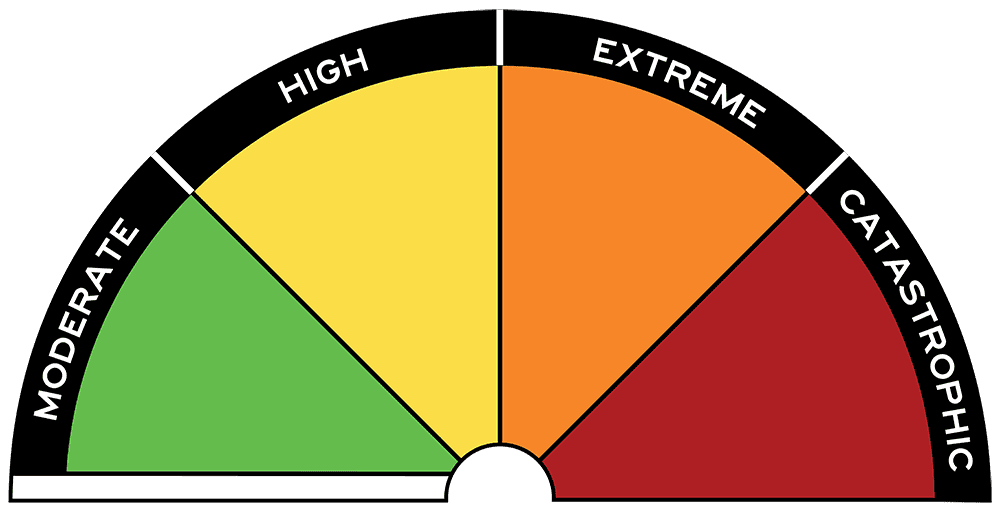
Check the weather forecast and Fire Danger Rating along your route and at your destination. Check the night before you leave.
Fire Danger Ratings can be checked up to four days in advance. Be sure to check again after 4 PM the day before your trip, as things can change.
Cancel plans or leave high risk areas when the Fire Danger Rating is Catastrophic
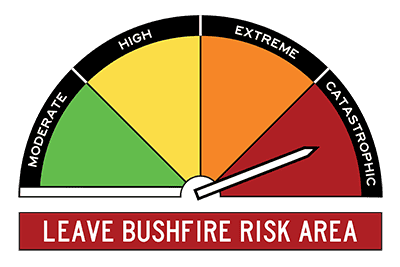
Catastrophic days are the most dangerous conditions for a fire. Your life could depend on what you decide to do.
Cancel your plans. It's too dangerous to do outdoor activities on Catastrophic fire danger days.
If you're already in a high risk area when a Catastrophic day is forecast, leave the night before or by 10am.
High risk areas include places with lots of heavy vegetation like grasslands, bush, forests and heathlands.
Some national parks and state forests are closed on Catastrophic fire danger days. Check the Parks Victoria and Forest Fire Management Victoria websites for any closure.
Change plans if the Fire Danger Rating is Extreme
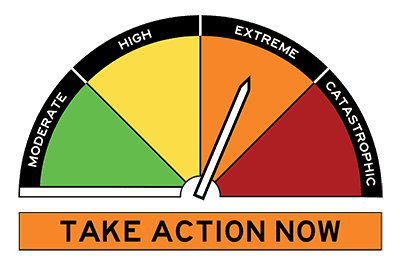
Extreme conditions are very dangerous and should prompt you to consider changing your plans.
We recommend cancelling your activity or moving your activity to a safer place if the Fire Danger Rating is Extreme. Instead of hiking in the forest, you could visit a winery or check out an art gallery in a nearby town.
Do not travel through or do outdoor activities in high fire risk areas on a Extreme fire danger day. Avoid driving into or spending time in bushland and forested areas.
Some national parks and state forests are closed on Extreme fire danger days. Check the Parks Victoria and Forest Fire Management Victoria websites for any closure.
Stay informed if the Fire Danger Rating is High
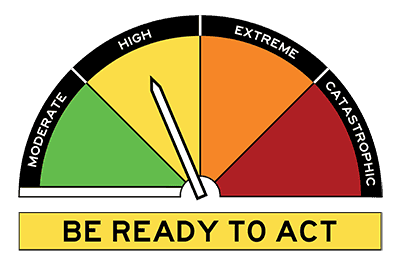
There's a heightened fire risk on these days, and you need to be alert for fires in your area.
If you are doing activities in high fire risk areas, stay informed with local advice and emergency warnings. Be prepared to change your plans if needed.
Total Fire Ban Days may change your plans
Some national parks and state forests close on Total Fire Ban days. Many parks and picnic areas are also closed on Extreme or Catastrophic fire danger days.
Always check the Parks Victoria and Forest Fire Management Victoria websites for closures before you go. National Parks and State Forests are closed on Catastrophic fire danger days.
Campfires are not allowed on Total Fire Ban Days
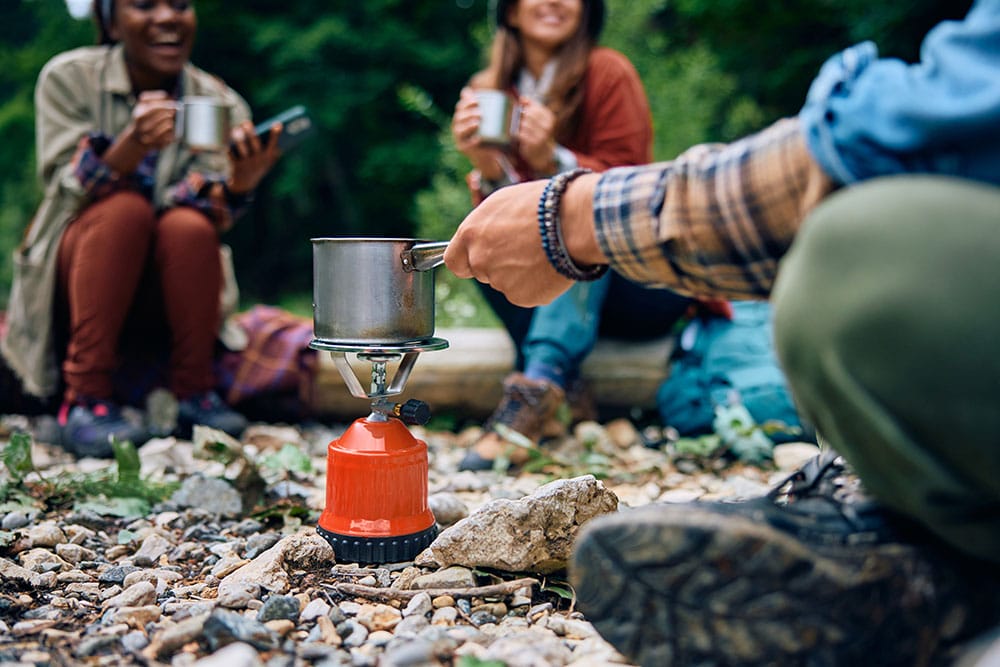
Only gas and electric barbecues are allowed. Portable gas and butane stoves can be used only if they stay stable and upright—but it’s safer not to use them, as they can tip over and start a fire.
Learn more about Total Fire Ban days and how to stay safe with campfires.
Make backup plans before you go
Be prepared to change your plans at any time during your trip. If you're visiting high fire risk areas in the bush, always have backup plans in case conditions change.
Before you leave, talk through your backup plans with the people you will be with. While you're away, keep checking in with each other, think about what everyone can manage, and make sure it's still safe to continue your activities.
Switch activities or go somewhere safer
Backup plans can mean changing your activity or location. For example, if you're staying in the country and the fire danger rating is Extreme, cancel your plans to go bushwalking and have lunch and see a movie in town instead.
On Catastrophic or Extreme Fire Danger Days, you should consider:
- changing where you're going to an area with lower fire risk
- moving your activity to a day when there's a lower fire risk
- changing to an indoor activity away from areas of high fire risk
- finishing a holiday early or not going at all if there's a fire in the area.
On High Fire Danger Days, you should:
- be aware of any fires in your area
- be prepared to change your activities.
Be ready to use your backup plans
Know alternative routes you can take when travelling in case a fire forces you to change your plans.
Drop into a local Visitor Information Centre or ask locals for safer things to do if it’s not safe to stick to your plans.
Check regularly for bushfire information
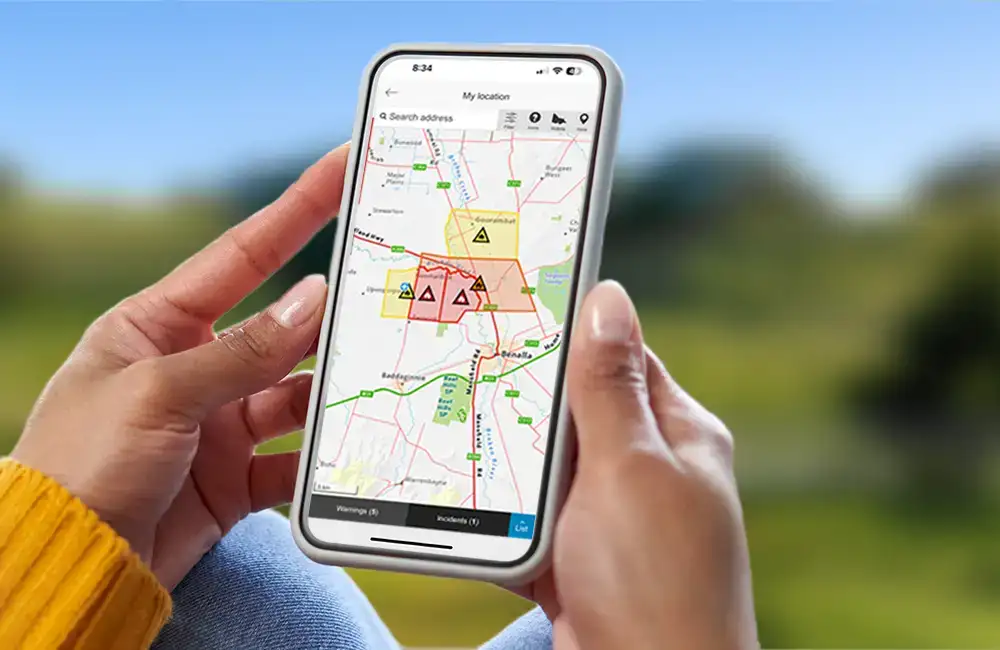 The VicEmergency App can notify you of warnings for fires and other emergencies in your area.
Create a temporary Watch Zone on the VicEmergency app for the location you’re visiting.
Turn on location permissions on your device to ensure the app can notify you of warnings at any time.
If there are bushfires in the area, or there is a high risk of fire activity, tune into the local ABC radio station on a battery operated radio to get up-to-date local emergency information.
Don't rely on an official bushfire warning. It's your responsibility to stay alert and aware of weather and fire conditions.
Mobile phone coverage
Many remote areas of Victoria have bad phone reception or no phone coverage at all. You will not receive emergency warnings if you are in one of those areas. It is always better to be out of higher risk areas on Extreme and Catastrophic fire days.
For your own safety you might want to pack a satellite phone if travelling to remote areas.
What to take with you in case of a bushfire or grassfire
Be prepared for the worst case scenario by packing the following:
- Long sleeve clothing made from natural fibres. They can help protect you against the effects of radiant heat in a fire.
- A P2 face mask that you can put on if there is a lot of smoke. We don't recommend using a damp cloth in a fire as the water can heat up, turn to steam and burn your skin.
- A first aid kit.
What to wear when doing outdoor activities
Wearing the right clothes can make a huge difference to your survival and recovery from a bushfire. We recommend wearing:
- clothes made from natural fibres, such as cotton, linen and wool. This is because synthetic materials can melt or catch fire easily and cause serious burns to your body.
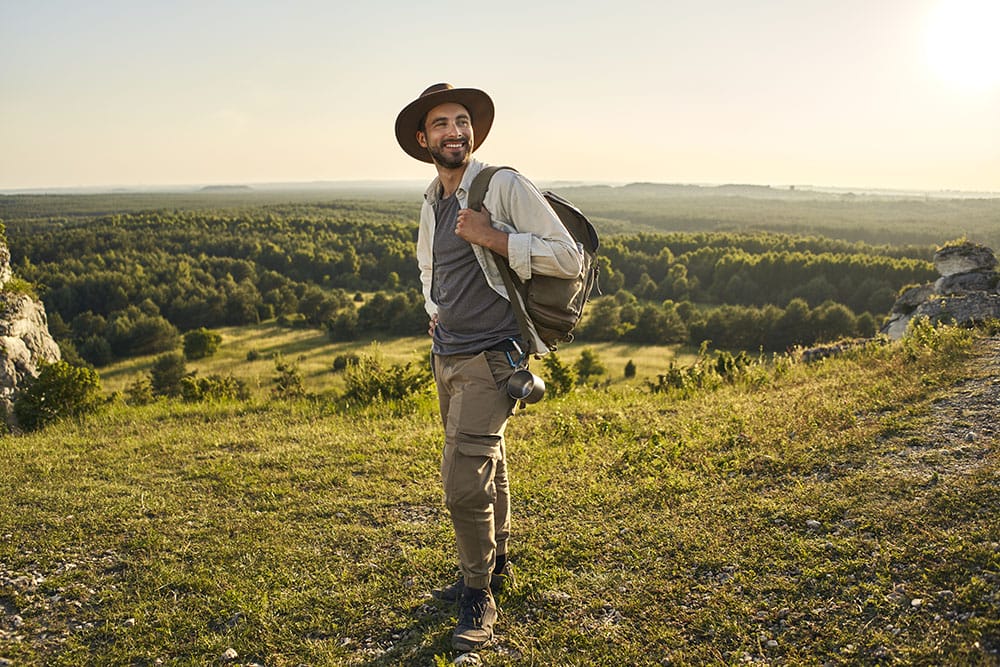
- a broad-brimmed hat, as it can protect you from embers during a fire.
Hiking safety and preparation
If you are going hiking, follow the above advice about Fire Danger Ratings, planning and what to wear and pack.
We also suggest doing the following:
More information about hiking safely can be found at Parks Victoria.
Last resort options for hikers
Avoid bushwalking on Catastrophic fire danger days or Total Fire Ban days.
If you are caught in a bushfire, do not try to outrun the flames. Instead:
- Call Triple Zero (000).
- Go to lower ground—fire is worse uphill.
- Protect yourself against radiant heat.
- Cover all exposed skin with natural fibres (cotton, wool, linen, or hemp).
- Find a place to shelter from radiant heat.
- Look for a cleared area, with little or no vegetation.
- Head for a natural fire break, such as a clearing or rocky outcrop.
- Drink water and cover your mouth with a dry cloth or a mask if you have one.
- Move to burnt ground when the fire has passed.
Learn more about what to do if you're caught in the open.
Don't get caught in a car during a bushfire
Getting caught on the road during a fire is very dangerous. Remote areas with only one way in or out are especially risky—fallen trees can block roads, and thick smoke makes it hard to see or drive.
Many people have died in or near cars during bushfires. Follow our advice for sheltering in a car if you get caught out, but the safest option is to stay out of high risk areas on hot, dry and windy days.
Be aware of planned burns
Check for planned burns before you leave. Sometimes smoke is from a planned burn, not a bushfire.
Avoid doing activities or travelling near areas with planned burns. Smoke can make it hard to see, and roads are likely to be closed.
Planned burns are listed on VicEmergency.
If you've checked for planned burns and you're still not sure where the smoke is coming from, call Triple Zero (000).
Further learning and resources
Page last updated: Wednesday, 19 August 2026 4:09:57 PM