Summary
- Store chemicals safely.
- Don't use BBQs, coal fires or fire pits your garage or shed.
- Install a smoke alarm in your garage.
- Charge devices and equipment safely.
How to be safe in your garage or shed
Garages and sheds might seem like an unlikely place for a fire to start, but the combination of vehicles, fuel, tools and batteries make them places where things can easily catch fire.
1. Install an interconnected smoke alarm
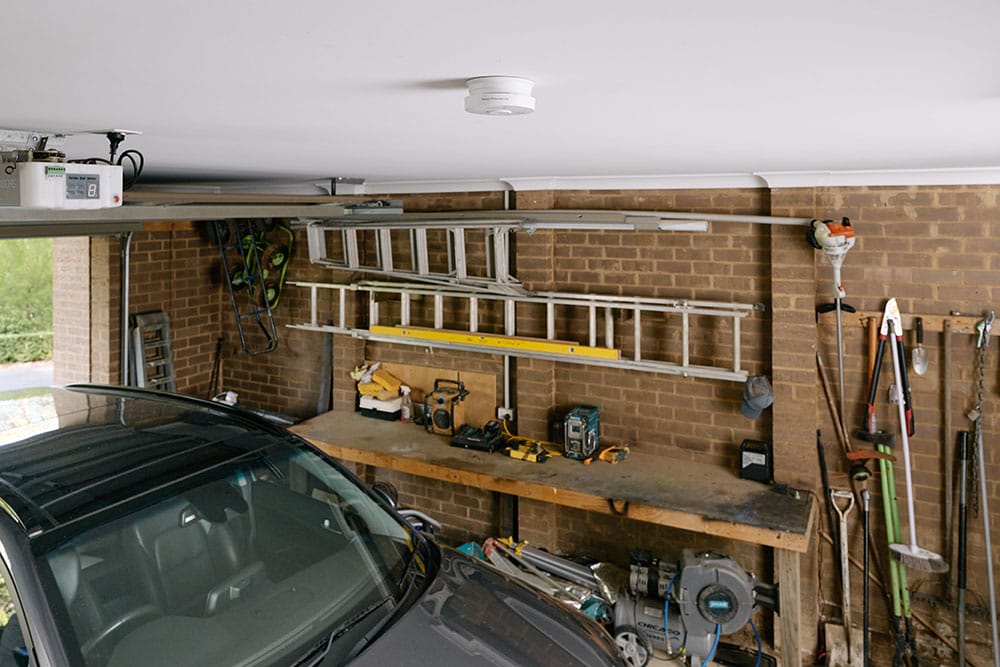
CFA recommends installing an interconnected smoke alarm in your garage if it's attached to your house. An interconnected smoke alarm will alert you even if you're on the other side of the house, because all smoke alarms will activate if a fire starts. Smoke alarms in garages are not required by law, but being alerted early could save your house and your life.
Learn more about smoke alarms.
2. Charge equipment safely
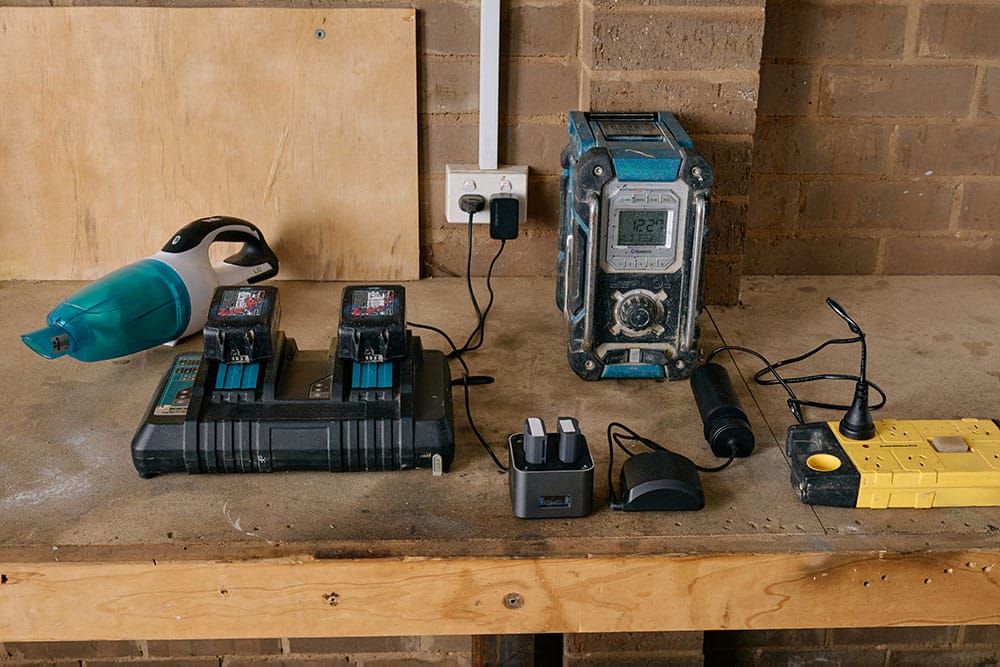
Tools, gardening equipment, e-scooters and e-bikes all use rechargeable batteries which can start a fire if they're damaged or overheat.
- Make sure your charger is the correct voltage for the device.
- Check that your charger, power socket and cables are in good condition
- Charge larger devices, like e-bikes and e-scooters away from doorways so there is a way to get out if a fire starts.
- Make sure your equipment isn't overheating or showing signs of damage.
- Unplug the device when it finishes charging.
Learn more about battery and charging safety.
3. Don't use BBQs, coal fires or fire pits
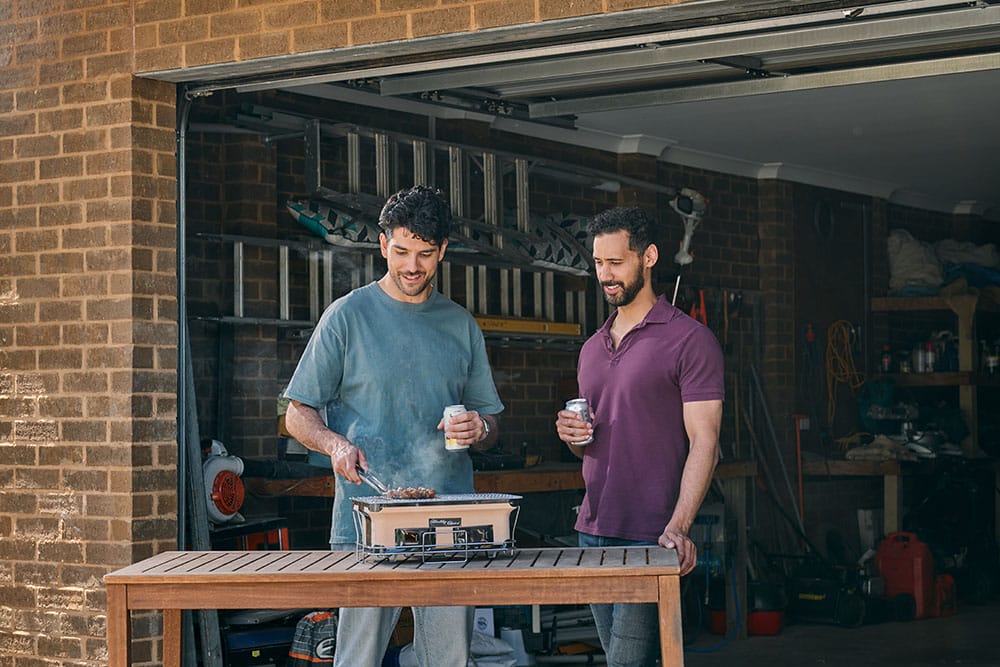
Cooking or lighting fires in your garage or shed isn't safe and shouldn't be done. Having hot coals or flames near equipment, chemicals or stored petrol is very dangerous.
BBQs and portable gas cookers also produce poisonous (carbon monoxide) gas, which is dangerous in enclosed spaces. Only use BBQs, gas cookers or fire pits outdoors with good ventilation, not in garages and sheds.
4. Store chemicals and petrol safely
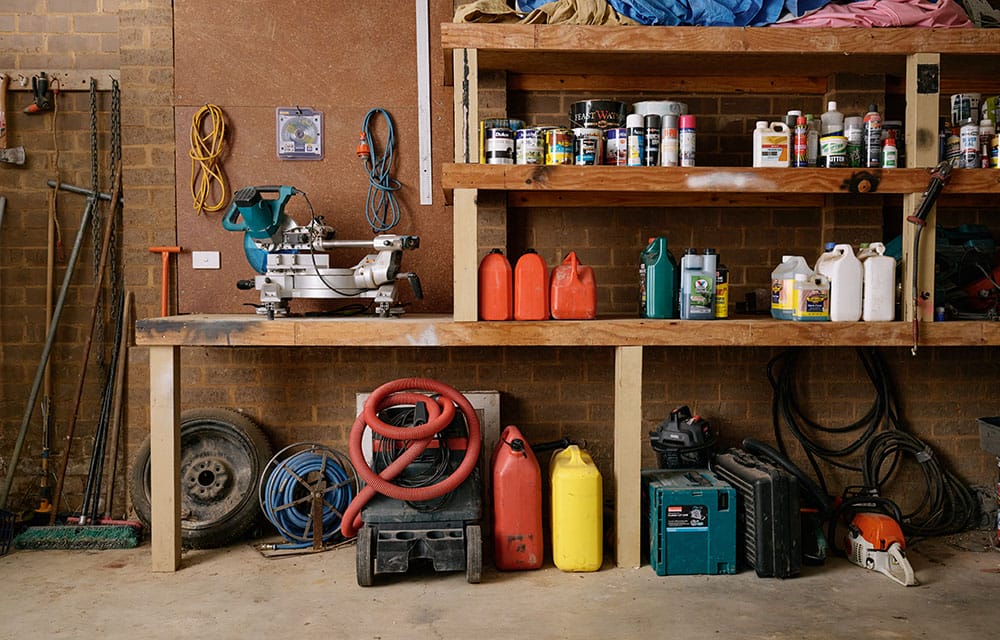
- Store chemicals in their original packaging and lock dangerous chemicals in a cupboard so they can't be accessed without a key.
- Use them only according to official instructions.
- Keep them away from fire and other heat sources, and away from children.
- Make sure you wash any rags or containers that have come into contact with chemicals or petrol after use, and before throwing in the rubbish. Even tiny traces or just the fumes from the chemicals can start a fire.
- Get rid of them safely.
In the case of skin/eyes being chemically burnt, chemicals being swallowed or ingested or fumes being inhaled, seek immediate medical advice by either calling Triple Zero (000) or the Poisons Information Line on 13 11 26.
Page last updated: Monday, 7 September 2026 7:44:39 PM