Summary
- If you see smoke or flames call Triple Zero (000) and don't touch the device.
- Use the correct and compatible charger when charging.
- Charge small devices on hard surfaces, away from things that can catch fire.
- Charge larger equipment like e-scooters away from living areas.
- Unplug devices when finished charging.
- Never put lithium-ion batteries in household bins.
What are lithium-ion batteries?
Lithium-ion batteries are in most portable devices that can be plugged into a charger. They are in laptops, mobile phones, tablets, tools and e-scooters. They are rechargeable and have a short life, whereas lithium batteries are long-life, but single use.
Lithium-ion batteries can become very dangerous, very quickly.
How lithium-ion battery fires start
The main two ways lithium-ion batteries start fires is when they're damaged or charged incorrectly. This is why it is important to know how to care for and charge devices safely.
When lithium-ion batteries are damaged or short circuit they can burst. When they do, they release toxic, flammable, explosive gases and metal. They can also create an intense jet-like fire that is difficult to put out.
Charging lithium-ion batteries safely
1. Always use the right charger
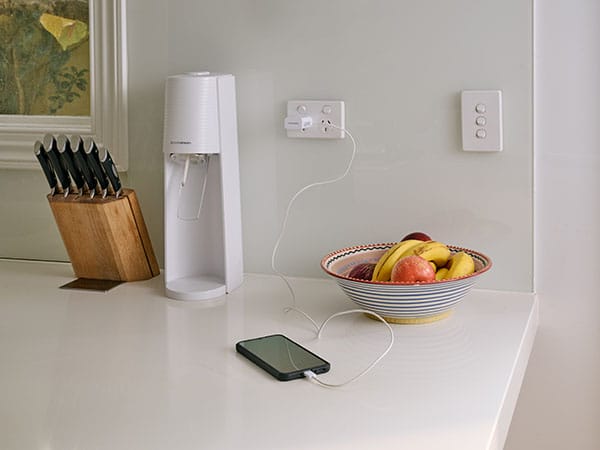 Use the charger that comes with the device, or a brand that is approved by the manufacturer.
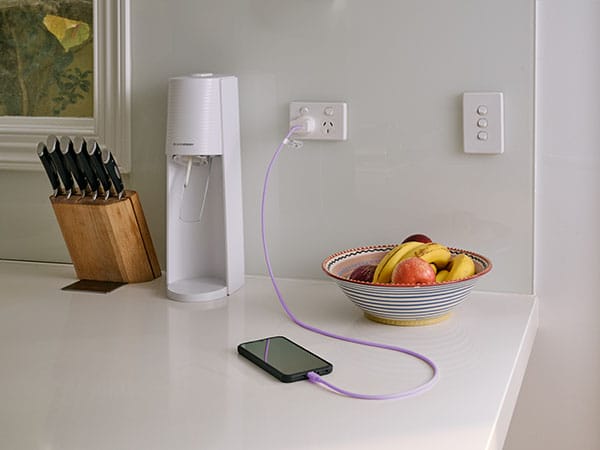 A cheap charger may not be compatible with your device which can lead to overheating.
Always use a charger that is compatible with your device, and make sure it's in good condition without any faults. We recommend using the charger that comes with the device. Using an incompatible charger can damage your battery and cause it to overheat. Overheating can start a fire.
Only use chargers that meet Australian Standards—look for the Regulatory Compliance Mark. And make sure you only ever buy devices and chargers from reputable companies and manufacturers.

2. Don't let your devices overheat
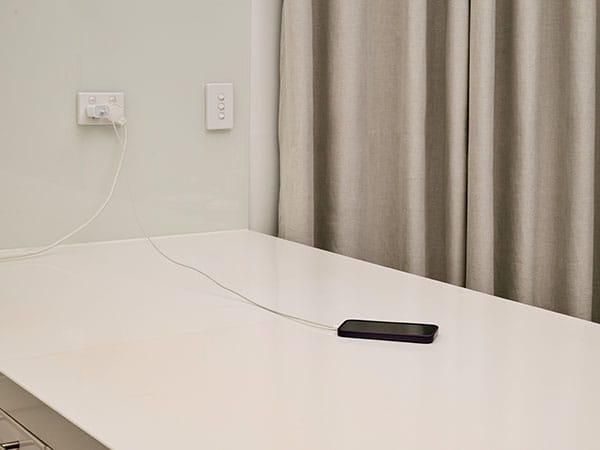 Charge you devices in a cool location and on a hard surface.
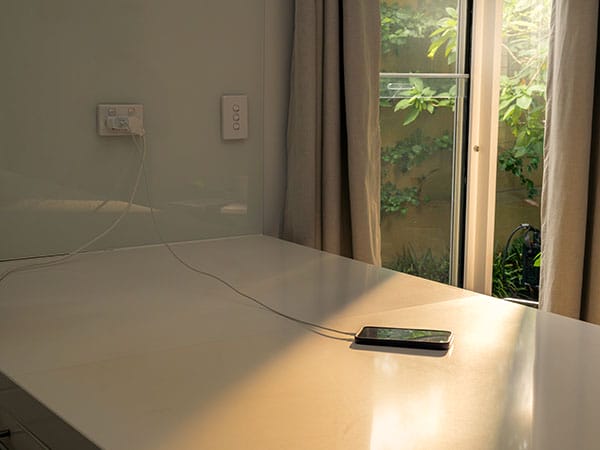 Don't charge your devices in direct sunlight to avoid overheating.
Lithium-ion batteries can start a fire when they overheat. To prevent overheating, always make sure you:
- unplug your device or battery once it's fully charged
- don't charge batteries or devices on or under soft surfaces (for example, beds, pillows, sofas and blankets)
- don't leave your devices in direct sunlight (for example, on your dashboard)
- charge and store your batteries in a cool and dry place
3. Charge devices in a safe environment
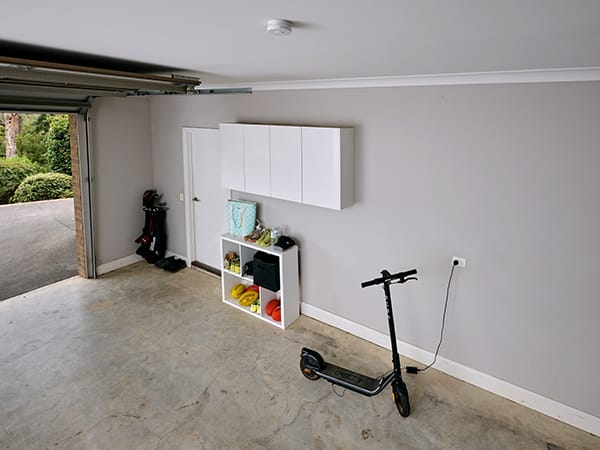 Charge larger equipment, like e-scooters, in a garage or somewhere that doesn't block exits . Make sure there's a smoke alarm so you'll know if if it starts smoking or a fire starts.
 Don't charge larger equipment in a hallway. If it starts a fire, you may be trapped.
- Keep batteries and devices away from blankets, clothing, paper and off soft surfaces when charging.
- Charge away from moisture and heat.
- Charge larger equipment like power tools and especially electric bikes, scooters or skateboards in the garage, shed or carport away from living spaces.
- We recommend installing interconnected smoke alarms in areas where devices are often charged. If a fire starts you will be aware sooner.
- Don't charge or store battery devices (for example, mobility scooters) near exits or in hallways. If they catch fire, you might not be able to get out.
4. Don't charge devices overnight
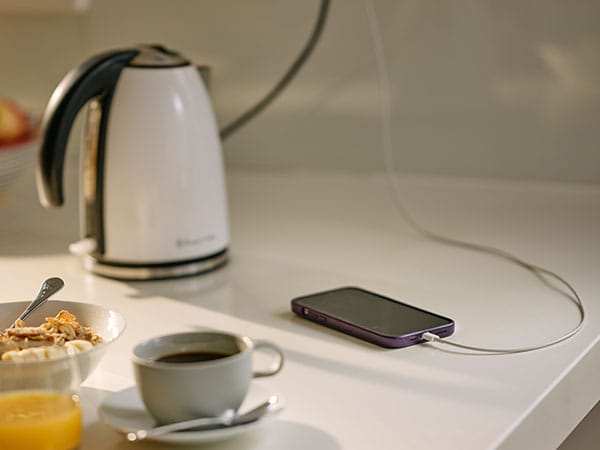 Charge your phone during the day when you're awake.
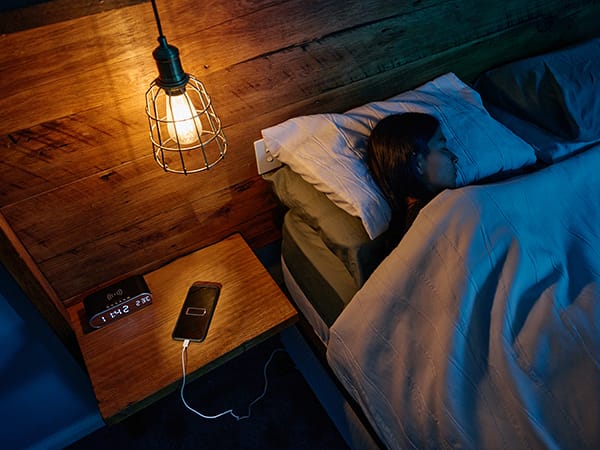 Don't charge your phone when you're sleeping. You may not wake up if it starts a fire.
We recommend only charging your devices and batteries when you are at home and awake. This way, you can unplug your device when it's fully charged, and act if something goes wrong.
5. Keep cables tidy
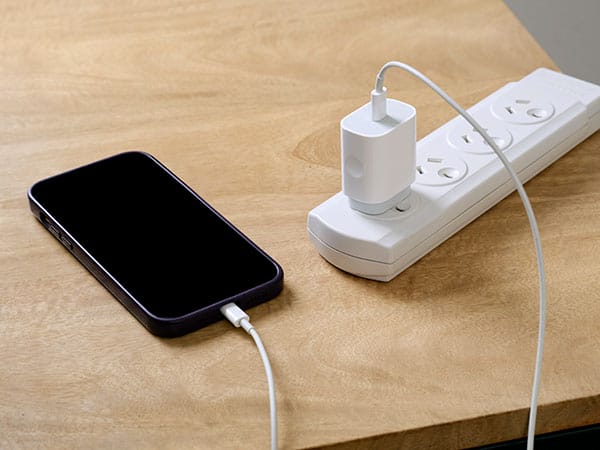 Use chargers that are in good condition.
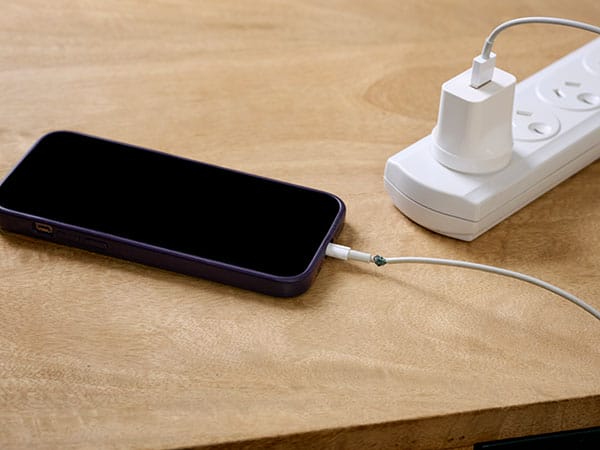 Don't use charging cables that are frayed or damaged
- Only plug in one device per outlet, and always keep power boards and cables neat and tidy.
- Never use worn or damaged charging cables.
- Switch off electrical power supply before connecting batteries to charger. This reduces the risk of shock and sparking when you're connecting the batteries.
6. Never use damaged batteries
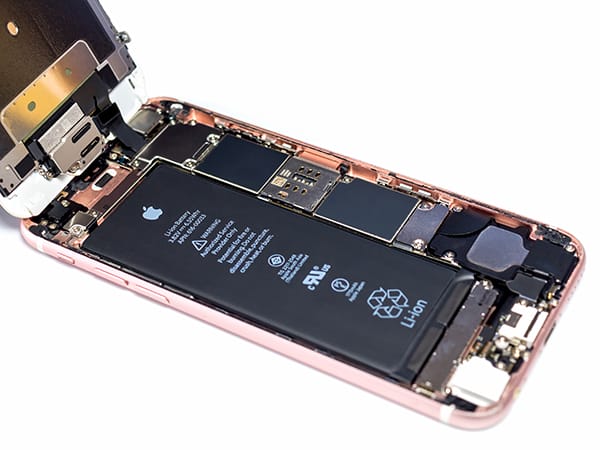 Healthy lithium-ion batteries should be smooth and flat.
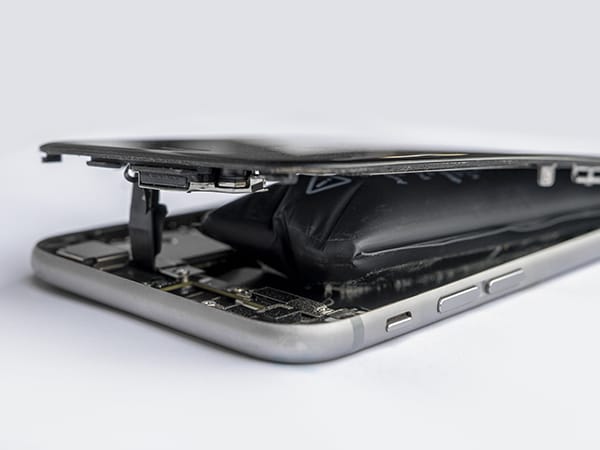 A lithium-ion battery that is bulging means that it is giving off gas and could violently catch fire.
Do not use batteries that have been:
- damaged, including: swelling, bulging, leaking, crushing, or which have holes, cracks or dents
- involved in or exposed to fire
- overheating and are emitting gas, vapour or smoke
- in water or had liquid go inside the battery.
Batteries that show any signs of damage can be a fire risk and should be disposed of correctly.
Watch for these warning signs
Lithium-ion batteries can short circuit and burst violently,
releasing toxic smoke and vapours, flames, and even metal projectiles.
Look out for these warning signs:
- strong smells
- change of colour
- blistering, bulging, or swelling of the casing
- leaking fluids
- extreme heat
- popping, hissing or crackling sounds, smoke and fumes.
If a battery is hissing, overheating or off-gassing, call Triple Zero (000) immediately and ask for 'fire'.
What to do if a device is overheating
If a small device like your phone or tablet is overheating and still safe to touch, follow these steps:
- Unplug it from the power outlet if it's charging.
- Try not to breath in any fumes - you may not see them.
- If it's safe to do so, take it outside away from anything that can catch fire and away from windows and doorways. Put it in a place where it can cool down.
- If you see smoke or flames, call Triple Zero (000) and don't touch the device.
What to do if there is smoke or fire
- Don't touch the device. The heat and/or chemicals can cause severe burns.
- Get everyone to leave the area and close the doors if safe to do so. Make sure no one goes back inside the building for any reason.
- Call Triple Zero (000) and say there has been a lithium-ion battery incident. Wait in a safe location outside for firefighters to arrive.
- If anyone has been exposed to leaking fluids, flying debris, smoke, vapour or flames, get urgent medical help.
First-aid treatment for burns
Burns should be immediately treated with cool running water for 20 minutes.
Burns larger than a 20 cent piece require emergency care. Treat with cool running water immediately and call Triple Zero (000), and follow the advice of the operator.
Safe battery disposal and recycling
Batteries are a fire risk even after they have been thrown out. Never put them in your household bins as they can cause fires during waste collection, transportation, handling and processing. They are also a risk to the environment and need to be disposed of carefully.
Never throw lithium-ion batteries in your household bins.
Undamaged batteries (not swollen, punctured, or leaking) can be safely disposed of at a battery recycling drop off point.
Tape battery terminals over with sticky tape or electrical tape before placing them into battery recycling collection bins. To find a collection point visit:
Never throw lithium-ion batteries in your household bins.
- Never touch a damaged battery or device with bare hands as the heat and/or chemicals can cause severe burns. Always use gloves/hand protection before touching or moving leaking batteries.
- Where safe to do so, place leaking or damaged (but not overheating or off-gassing) batteries in a clear plastic bag.
- Take bag containing battery to a reputable place for disposal.
If a battery is hissing, overheating or off-gassing, call Triple Zero (000) immediately and ask for fire.
Resources
Lithium-ion battery safety
A factsheet on how to charge devices with lithium-ion batteries safety.
Page last updated: Tuesday, 22 September 2026 4:00:40 PM