Summary
- Automatic fire detection and alarm systems are legally required in commercial buildings and most mixed-density residential sites
- They detect heat, smoke or fire and activate connected systems
- Automatic alarms trigger a response from emergency services via an alarm monitoring company
- A knowledgable and competent manager should be appointed to oversee the automatic alarm system
- Regular, comprehensive maintenance is required to minimise false alarms
How commercial automatic fire alarm systems work
Automatic fire detection and alarm systems are a legal requirement in commercial buildings and most mixed-density residential sites.
These automatic systems are activated by heat, smoke, or fire. When triggered, they activate connected systems like building sprinklers, and alarm signalling equipment (ASE), which sends signals to a private alarm monitoring company. The fire brigade is then alerted to the fire.
The whole process must take less than 20 seconds to be compliant.
Although designed to detect a fire, automatic fire detection and alarm systems can also be triggered by things like dust or steam, causing false alarms. Learn more about preventing false alarms.
Appoint someone to manage your fire alarm system
Building owners or their representatives need to make sure someone is appointed to oversee the management of the fire alarm system.
Appointing someone who knows how the system works, is key to reducing preventable false alarms.
This person should be motivated, authoritative, and receive training in all aspects of your fire alarm system and monitoring equipment. Common choices include:
- site engineers
- building managers
- fire wardens
Understanding the specific fire alarm system is essential for correct management of the building site. Your fire maintenance contractor may be able to provide more information about your system.
Regular maintenance helps prevent false alarms
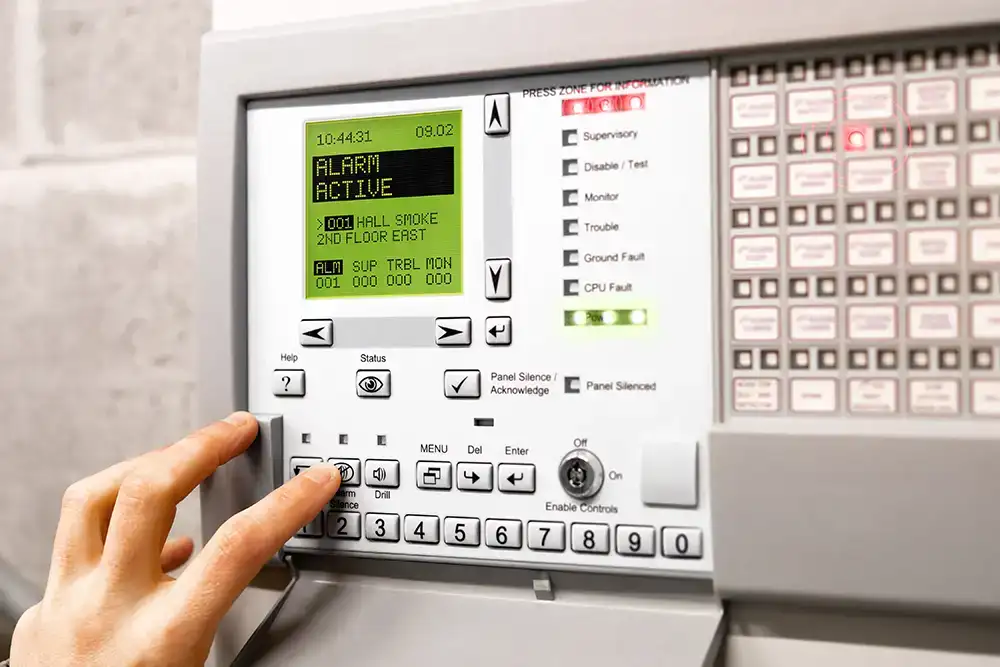
Commercial fire alarm systems must be well maintained so they work efficiently, don't produce false alarms, and promote a swift emergency response. Automatic fire alarm systems must be designed, installed and maintained in line with Australian Standards.
Always use a reputable company with the necessary expertise to conduct maintenance on your fire detection and alarm system.
We recommend going above the minimum maintenance standard to prevent unwanted false alarms.
When to get professional advice
You might need to engage a reputable service provider or your building surveyor if:
- renovations have changed the building layout
- rooms are being used for a different purpose
- your old fire alarm system has been upgraded
- a new building has been constructed and standard fire protection installed without tailoring the type and calibration of detectors to the use of individual rooms or areas
See Fire Rescue Victoria's Monitored Automatic Guidelines (PDF 485KB) for more advice on managing your fire alarm system.
Other types of alarm systems
As well as monitored automatic alarms, there are also local alarms, security monitored alarms, domestic alarms and sprinkler systems.
Local fire alarm systems
A local fire alarm system may sound an audible alarm at the site and the alarm is indicated on the local fire indicator panel (FIP), but the alarm is not connected to the fire services. Someone will need to call Triple Zero (000) to get the fire brigade to attend.
Security monitored alarms
These are domestic alarms or fire alarm systems that are monitored by security companies. In all cases, a signal is sent back to the security company, but any further action depends on the procedures agreed between the client and the security company. Fire services might not be automatically called.
Domestic smoke alarms
Smoke alarms in residential homes are either hard wired into the building (requirement for any new home built after 1 August 1997) or battery operated.
Residential and domestic sprinkler systems
Local sprinkler systems that may be installed in residential homes or accommodation buildings less than four storeys high.
Page last updated: Wednesday, 23 September 2026 4:52:48 PM