Summary
- Embers are the main way homes are destroyed in bushfire.
- Design the area around your home to reduce vegetation and other flammable objects.
- Seal up windows, and install window coverings.
- Seal up your sub-floor and remove flammable materials from under your house.
- Install mineral wool insulation or sarking to seal up gaps in your roof.
- Upgrade your front door to solid timber and install a metal fly screen.
- Upgrade your deck to non-combustible materials.
How homes catch fire during a bushfire
[Designing your garden for bushfire]
[On screen text]
Garden Design for Bushfire
[Gentle music and the sound of birds singing]
[Presenter]
The landscaping and design choices that you make for your gardens and backyards can significantly affect the bushfire risk to your home. So, you need to make sure you're making the right decisions.
[Music]
There are three main reasons that houses burn down during fire. Embers landing on or near the house which is the most common way houses catch fire. Radiant heat from burning vegetation near the house or direct flame contact.
[Music]
[On screen text]
Create Defendable Space
[Presenter]
Start by creating defendable space. You should have an inner zone immediately around your house, where you reduce, remove or rearrange vegetation. This can limit the impacts of radiant heat and direct flame contact. It would normally be about 10 meters out from the house.
You should also have an outer zone where vegetation is managed to a more moderate level. Use driveways and paths to create separation between vegetation and the house. Trees and vegetation should not be located close to vulnerable parts of the building such as windows, decks and eaves.
[Music]
[On screen text]
Remove Flammable Objects
[Presenter]
Concrete or pave up to the edge of the house or replace flammable mulches such as tanbark with inorganic alternatives such as river pebbles or gravel.
Keep grass cut to five centimeters within the inner zone and 10 centimeters within the outer zone.
[Music]
[On screen text]
Break Up Fuel Continuity
[Presenter]
Locate shrubs away from trees. Shrubs and surface vegetation can act as a ladder fuel to carry fire up into the trees. To limit a fire's ability to spread, clump trees together so they don't form a continuous canopy and keep garden beds separated. Both can be achieved by clever placement of gravel paths or mowed grass. Elements in any good garden design.
[Music]
[On screen text]
Select, Locate and Maintain Trees
[Presenter]
There are no fireproof trees or plants. All vegetation can burn under the right conditions. However, some are less flammable than others, so it's important to carefully select and properly maintain vegetation. Avoid trees with loose, ribbon or stringy bark, that could shower your house with embers during a fire.
Locating trees a safe distance from the house will reduce the chance of limbs falling and damaging the structure. If this happens, embers could get inside and set fire to your home.
[On screen text]
Home Improvements
[Presenter]
Back at the house you can strengthen the building against the risk of embers, by sealing any gaps and making improvements to the structure. Seal around windows, doors and eaves to prevent embers lodging in any gaps and ensure painted surfaces aren't flaking.
You can prevent leaf litter and embers getting under the deck and into the underfloor space by sealing any vents or gaps using a steel mesh. More expensive options including sprinklers on the roof, can make a big difference to house survivability.
[Music]
Fire burns wherever there is fuel. If you reduce the fuel around your home, you can reduce how hot and destructive a fire is as it passes through your property. We have only touched on a few actions for you to consider.
CFA has extensive information on designing your garden for bushfire, and don't forget the final part of preparing your property, a big cleanup before summer and maintenance throughout the season.
[Music]
[On screen text]
cfa.vic.gov.au/prepare
[Music fades]
There are three main ways your house can catch fire during a bushfire:
Embers are the main reason homes catch fire during a bushfire. Embers are small pieces of burning twigs, leaves and debris. They are carried by the wind ahead of the fire front and can start new fires anywhere they can lodge (get stuck) on or around your home or enter your house.
Radiant heat can cause glass to break and cause things like woodpiles, outdoor furniture or plants near your home to catch on fire without flames even touching them.
The home improvements outlined on this page are designed to help delay or prevent your home catching on fire during a bushfire. These upgrades could also provide better protection for anyone who might find themselves sheltering inside.
Home improvements to strengthen your home
Windows
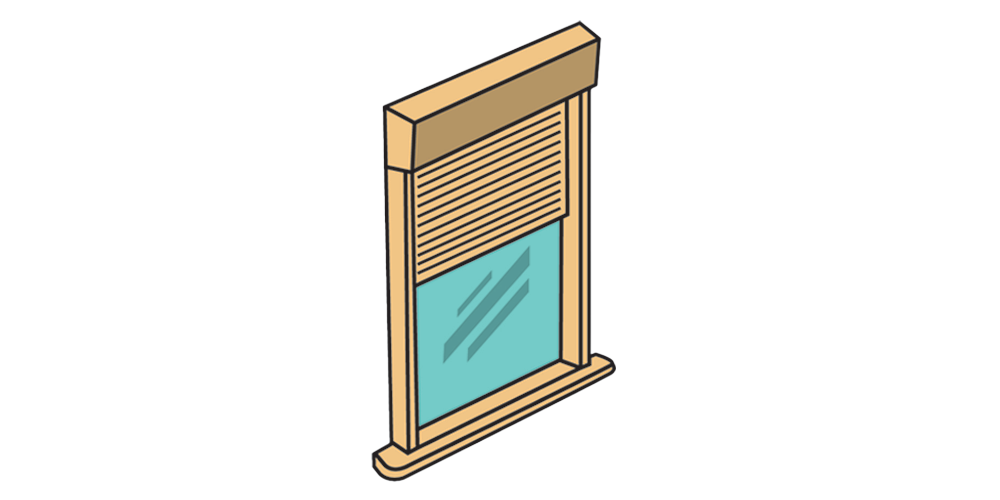 Bushfire window roller shutters can provide some protection against embers during a bushfire.
Open and unscreened windows pose an extreme fire risk. If windows break from the heat, they let embers in. Once this happens fires can spread very quickly.
Window improvements you can make:
Seal gaps around window frames
Use a flexible silicone based sealant to seal all gaps around window frames.
Maintain window sills - no flaking paint
Flaking paint catches fire easily and embers can also become caught in flaking paint.
Install wire mesh screens
Install metal screens (not aluminium) with 1.5mm holes over both the window and frame to stop embers touching the glass or timber or coming through a broken window.
Install shutters
Although more expensive, installing shutters over windows and the frame instead of mesh screens can provide even better protection. They can prevent windows from cracking due to excessive radiant heat or flying debris.
Sub-floor area
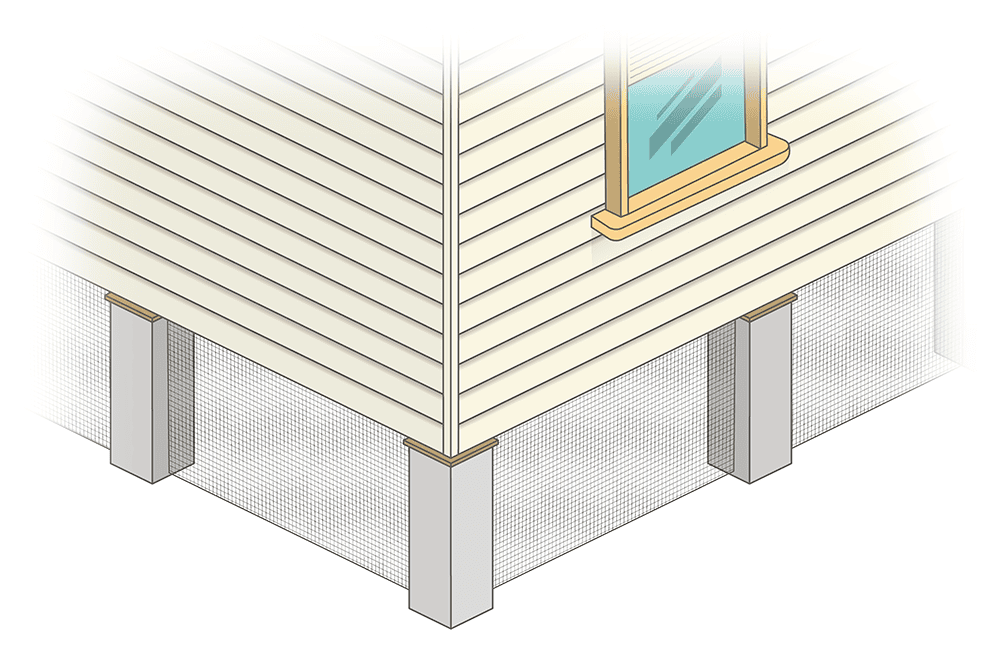 Seal gaps under the house using wire mesh to prevent embers starting fires under your home.
Many houses catch fire when embers get under sub-floors, especially when wood or other flammable objects are stored under the house.
Seal your sub-floor and don't use it as a storage space
Non-combustible materials (ones that won't burn) such as masonry, brick veneer, mud brick or concrete are the best materials to seal up your sub-floor. Make sure there are no gaps.
If your sub-floor isn’t enclosed, there are two things you can do to reduce your risk from embers:
- Remove all flammable materials from under the house, such as wood piles, petrol and leaf litter
- Seal any gaps using wire mesh or perforated sheet made of corrosion resistant bronze or steel (maximum aperture of 2mm)
Doors and fly screens
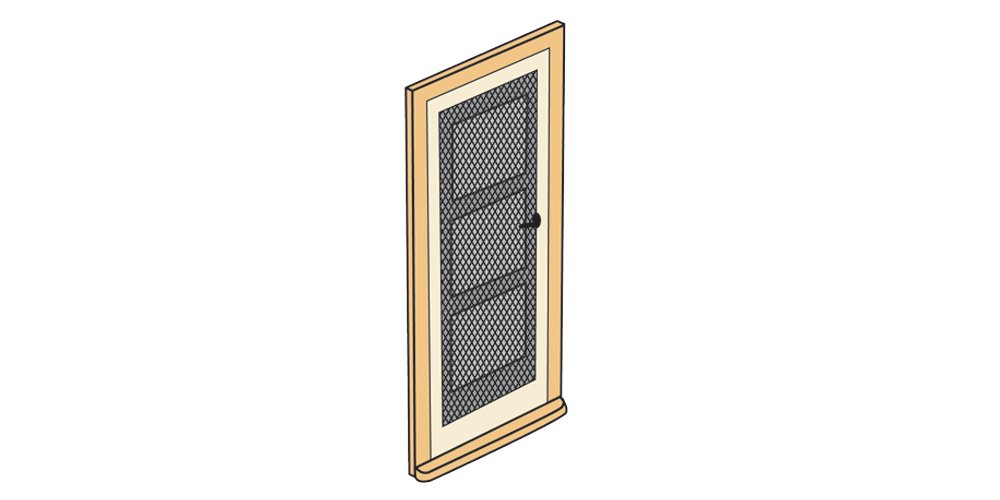 Upgrade your door to solid timber and install a metal screen to reduce chance of embers setting it on fire.
Open and unscreened doors increase your fire risk.
Modern doors are often made of cheap, flammable materials and can easily catch fire.
Upgrade your door to solid timber or metal, and install a metal screen over it could help reduce the chance of embers setting it on fire..
- Buy a solid timber door or a door made from non-combustible materials. You can search the BAL (Bushfire Attack Level) ratings of doors online.
- Seal gaps around doors to the outside.
- Install metal screen doors over timber doors.
- Fly screens should have a metal frame and the screen should be made of corrosion resistant bronze or steel mesh (maximum aperture of 2mm).
- If there is glass in the door, it should be toughened glass with a minimum thickness of 6mm
- Use non-combustible door sill.
Roof area
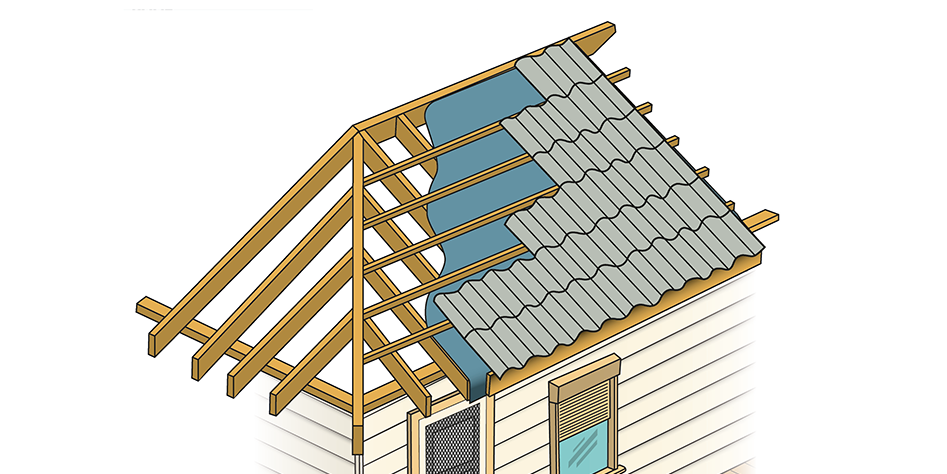 It's important to seal any gaps in your roof to prevent embers getting in.
Stop embers getting into the roof cavity and starting a fire by doing the following improvements.
- Seal gaps using compressed mineral wool insulation - this is a cheap and effective solution for existing homes.
- When constructing new homes, install sarking (non-combustible sheeting) under roof to stop embers.
- Cover skylights with non-combustible fire screens.
- Cover gaps in evaporative coolers with metal mesh.
- Keep gutters clear of any leaves or twigs during warmer months especially after windy days.
Bushfire sprinklers
Bushfire sprinklers can be effective at reducing the impact of bushfire on a house, but they have limitations.
You need to make sure:
- All openings on the roof are protected during an ember attack. Note: sarking or gap sealing can be more effective.
- Sprinklers fully cover the area of your house exposed to fire. This includes roofs, doors, windows and decks.
Always seek professional advice for selecting and installing the appropriate sprinkler system for your building.
Carports, decks and verandahs
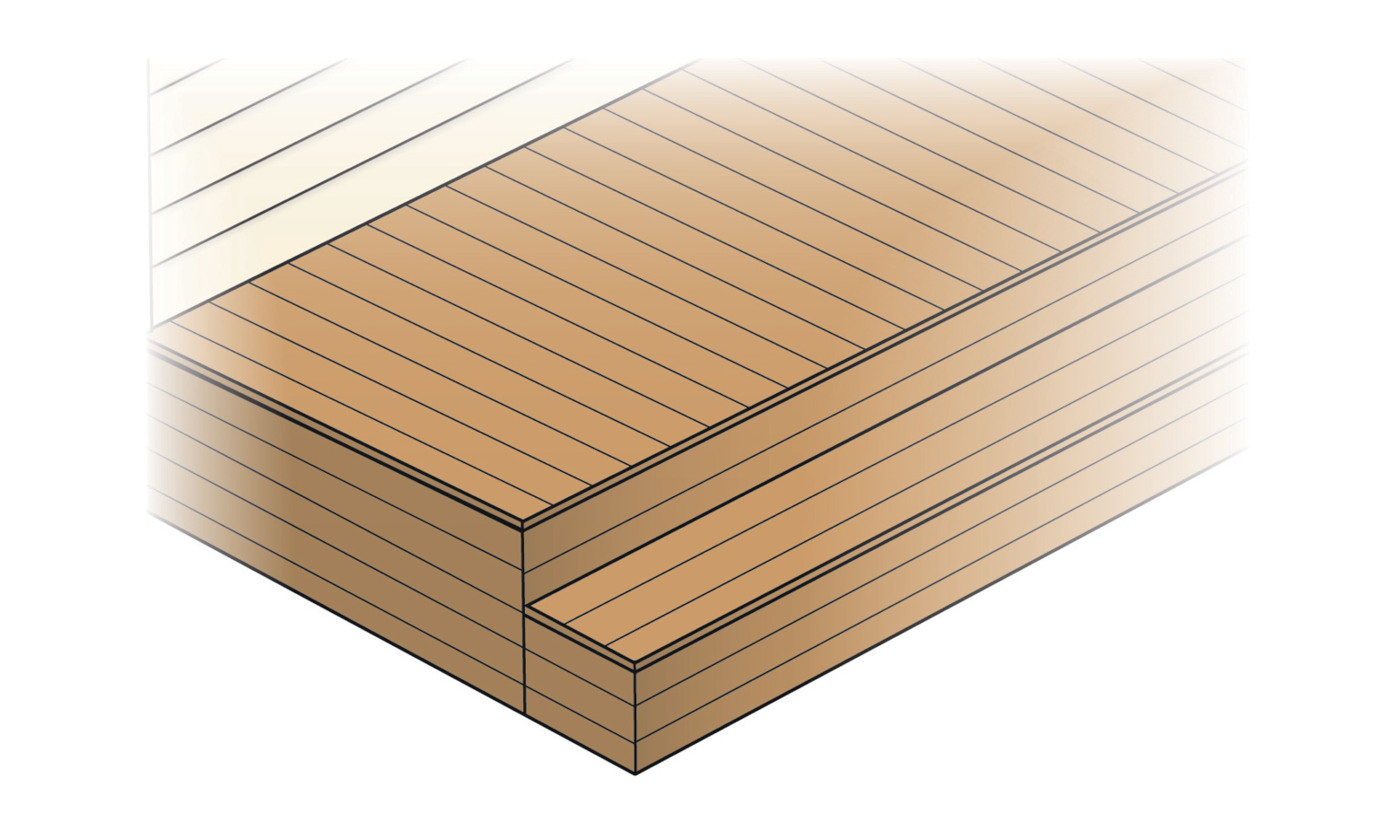 Leave gaps between decking timber so embers can fall through, but make sure nothing flammable is under your deck.
When embers land on decks they can easily spread fire.
Make your deck, verandah or car port less likely to catch fire by doing the following:
- If you live in a high fire-risk area, use concrete stumps, metal framing and a BAL rated composite timber to construct your decking.
- If you have a timber deck, carport or verandah, make sure they’re well maintained and place non-combustible material between the deck and the house.
- Leave gaps between decking timbers so embers fall through and don't set decking on fire.
- Remove fuel like vegetation and other flammable objects from under the decking.
- Make sure you have access under the deck to put out any spot fires.
- Remove all flammable items, such as outdoor furniture and pot plants away from your house before bad days.
- Keep shrubs and plants away from any timber structures and your windows.
Note where leaves naturally gather. This is where embers will most likely land in a fire.
Preparing for bushfire season
There are other important ways to prepare for bushfire season around your home, including removing vegetation close to your house and fence line, designing your garden for bushfire and making a fire plan.
Upgrading your home is only one part of preparing for bushfire. Make sure you give attention to all aspects of being prepared for bushfire on your property.
Resources
Your guide to property preparation
Learn how to get your house and garden ready before the fire season in this easy to read guide.
A guide to retrofit your home for better protection from a bushfire
A guide that shows how to upgrade your home to protect it from embers, ember attack, direct flame contact, and radiant heat.
Page last updated: Thursday, 1 October 2026 5:14:44 PM